
Commercial Roofing in Midland Beach, Staten Island, NY
Commercial roofing in Midland Beach, Staten Island, NY for shops, restaurants and mixed-use buildings on the flood line, with edge, drain and storm repair.
A drain strainer silted over, a roof edge lifted along the side facing the water, a stockroom ceiling stained under the same corner after the same kind of storm: the inspector's notebook on a Midland Beach roof starts with Sandy, because the neighborhood does. Hurricane Sandy's storm surge on October 29, 2012 devastated Midland Beach, and its flooding washed away blocks of houses here, in New Dorp and in Oakwood Beach.
Retail, service and mixed-use buildings in Midland Beach, Staten Island, NY, get low-slope roof repair and replacement from Commercial Roofing Staten Island, and the owner's first question is whether the roof has been walked since the last big storm.
Midland Avenue, Father Capodanno Boulevard and the shops
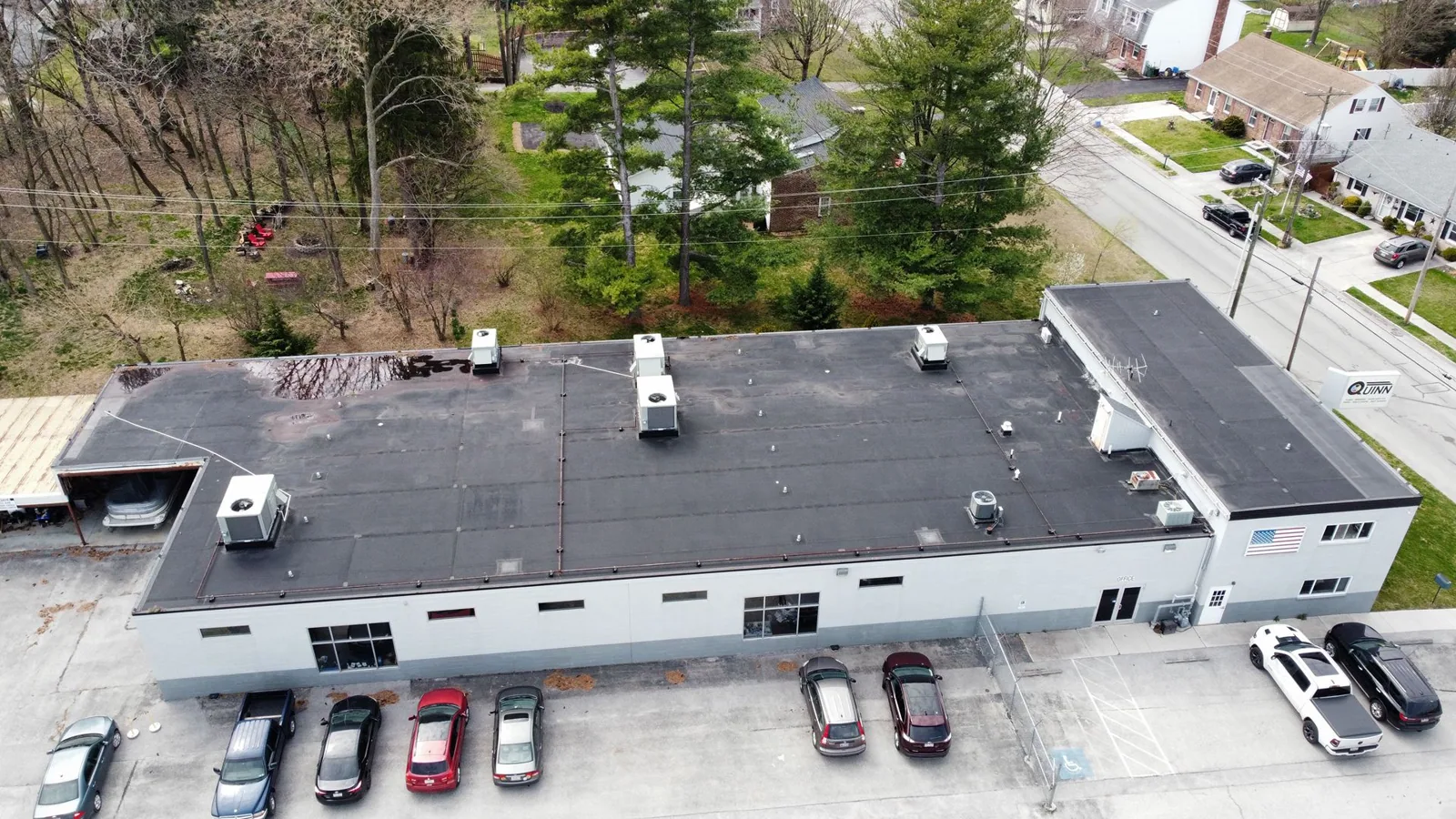
Midland Avenue and Father Capodanno Boulevard are the neighborhood's two main arteries, and the commercial buildings line them: small to mid-size shops, restaurants, offices and apartments, each under a roof that handles weather on a flat coast. Such buildings usually have a low-slope roof behind a parapet, one or two drains and a unit or two for each tenant, so the first findings tend to sit at drains and penetrations. A landlord with several buildings on the arteries gets one calendar and one report format.
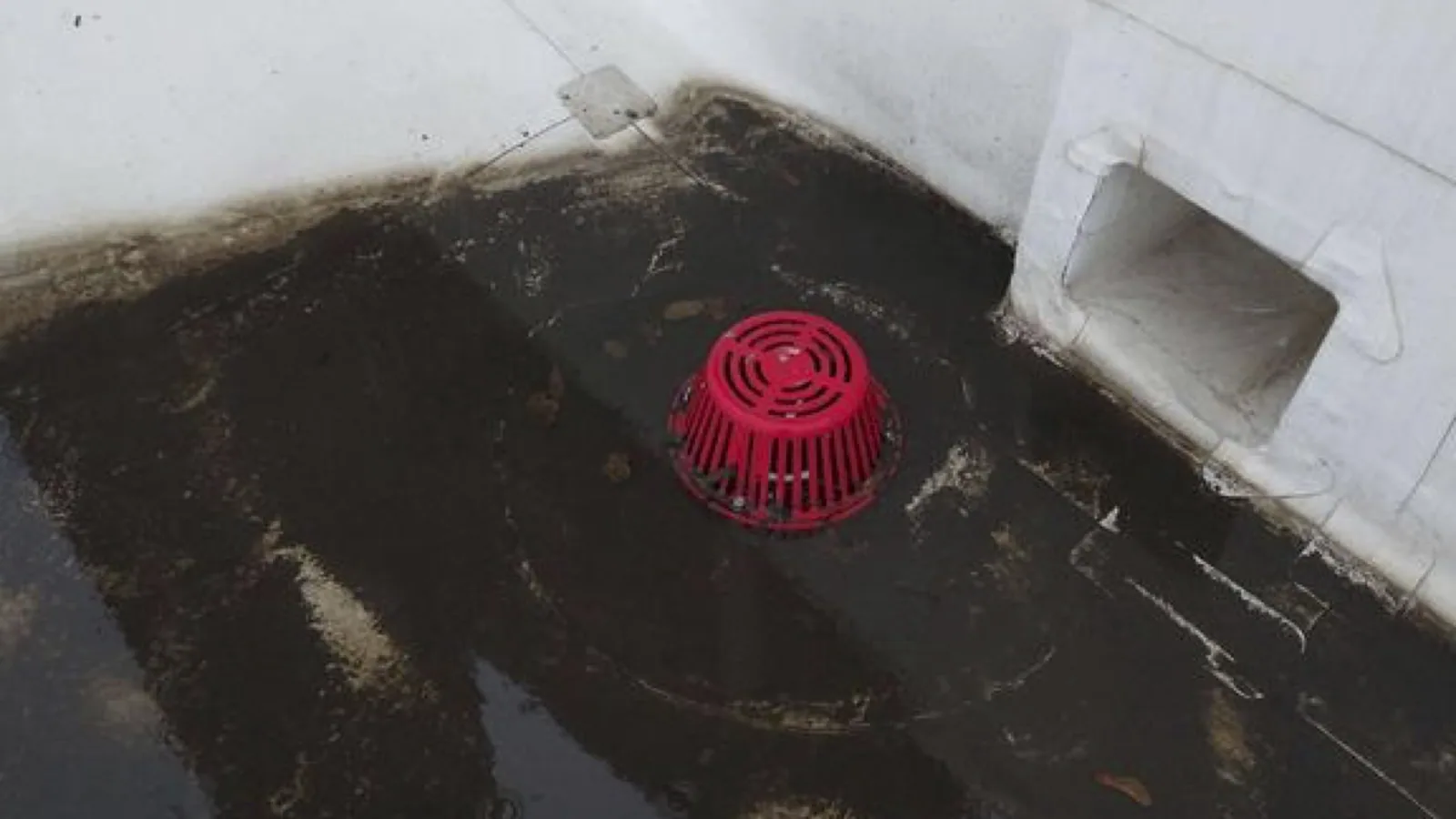
On the roof the order is fixed. The drain comes first: strainer cleared, leader flushed, deck around the sump checked. Curbs, boots and brackets follow, then the seams and laps of the field, then the parapet, coping and edge metal. Where a tenant reports a stain, an after-dark scan maps the wet insulation and a core settles it. A page per roof reaches the landlord within days, each item with a repair class and a price range, so urgent work can be approved and the remainder scheduled.
What Sandy taught the roofs
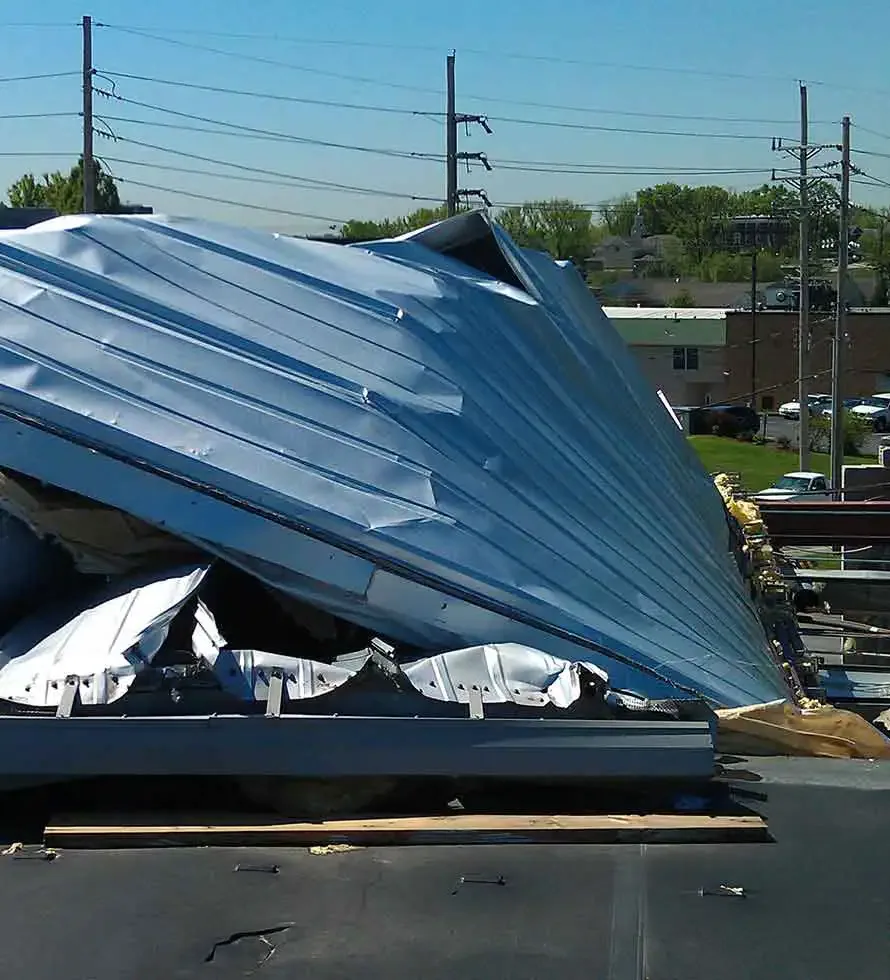
Sandy's surge devastated Midland Beach on October 29, 2012. The storm reached the island with gusts up to 80 mph, and Oakwood nearby recorded the state's highest water line, 7.9 feet above ground. Surge is a ground-level problem, yet the same storm lifted roof edges, loosened flashing and packed drains with debris. After a flood, buildings change: equipment is moved, new penetrations are cut in a hurry and repairs are made fast. Those changes leave weak points up top, so the walk looks at flashing around anything added after the storm, drains clogged with silt or debris and edges that were disturbed. Storm damage roof repair comes with photographs and a written report that can support an insurance claim.
Flooding, the Bluebelt and roof drainage
Flooding has been a long-running problem because of the coast in Midland Beach, and the Bluebelt project aims to ease it along the northern edge, which lies low. A roof neither causes nor cures street flooding, but its drains feed the same stormwater system as everything else, and roof runoff is one more load when that system is stressed. For an owner the practical point is to keep roof drains clear and leaders open so water leaves the roof whenever the system can take it. The walk checks where leaders discharge, confirms they are not blocked or crushed and notes any storm-line connection the owner should verify with a plumber. Drain and scupper work includes overflow scuppers, which protect the building when the primary drains cannot keep up.
Edges, wind and a flat coast
A flat coast gives wind nothing to slow it. Edge metal, coping and fasteners are the first things tried on a Midland Beach roof, by hand, with a probe at the laps and a look for rust streaks below the fasteners. A weakened edge fails first and the field membrane peels from it, so repairs use corrosion-resistant fasteners and heavier-gauge metal where wind load requires, with closer spacing at corners. Wind damage repair starts at the perimeter and works inward. A walk before each season and another after a storm keep a record of what the wind moved.
On a small coastal roof the price follows wet insulation, penetrations, access and system. Quotes lead with whatever stops an active leak, then a coating or recover, then replacement, and a roof near the end of its life often does better replaced in two phases than patched for another five winters, with the cost of each path shown together.
Shops, restaurants and the apartments above
Shops and restaurants here share roofs with apartments, and each use adds penetrations: a grease vent from the kitchen, a sign bracket for the shop and a vent stack from the flat above. Every one is a way in for water and has its own owner, so each is traced to its party, its flashing photographed and rated, and its penetration flashing repair priced alone. Around exhaust the membrane gets pads and a cleaning schedule, and a sheet that tolerates fats suits the zone. The landlord's list separates the roof's items from the tenants', which keeps arguments short.
Rain, snow and the spring walk
One clogged drain cannot pass an hour of rain such as fell during Ida's flash flood emergency in September 2021. The city takes in about 49.5 inches of precipitation in a year, spring is the wettest season, and snow adds 29.8 inches on average, with 27.3 inches landing on January 23, 2016. Drains and edges get attention in the fall, the spring walk shows what winter did, and drifts that melt back toward the wall put base flashing on the March list. The neighboring districts of New Dorp and Great Kills keep the same calendar, and preventive roof maintenance turns the visits into a record.
What goes in the log
Every roof receives a page with photographs, a rating, scan results and a ranked repair list with prices, and a summary orders the buildings by risk. A dated entry follows each visit, and after a storm the log shows what changed, which helps with insurance and with the next decision. The record goes with the building through a sale or a change of tenant. Roofs that cannot take water get temporary protection staged before the season, and the number for after-hours calls reaches every owner in advance.
Seasonal walks are easier to compare when each entry follows the same order: edges, drains, penetrations, seams and field. The owner can read down the page and see which item changed since the last visit, and the shop tenants below each section are named so the right person is told the same day when something turns up.
Tenants appreciate being told early. A short note to each shop below an open item names the roof section, the likely fix and the day of the visit.
Related Roofing Work
More roofing work that comes up alongside Midland Beach.
Commercial Roofing Questions
Why does a flood neighborhood need roof attention?
The same storms bring wind and debris, and recovery work adds penetrations in a hurry. We check edges, drains and anything added since the last big storm.
Should we add an overflow scupper?
If the parapet allows, yes. It gives the water a second route out when the drains clog, which protects the building in a cloudburst.
Our leader discharges near a storm line. Does it matter?
It can. Leaders should be open and not crushed, and the connection should be verified by a plumber. We note the discharge in the log.
How soon after a storm should the roof be walked?
As soon as the roof can be walked safely. Edges and field laps hide wind damage from the ground, and water gets into the weakest detail in a matter of days.
What should an owner send first?
The roof plan, the roof's age and recent leaks. A walk and a ranked list come back.