Distribution Center Roofing in Staten Island, NY
Distribution and fulfillment center roofing in Staten Island, NY: inspections, repairs and replacements for dock-side roofs near the port, rail and West Shore.
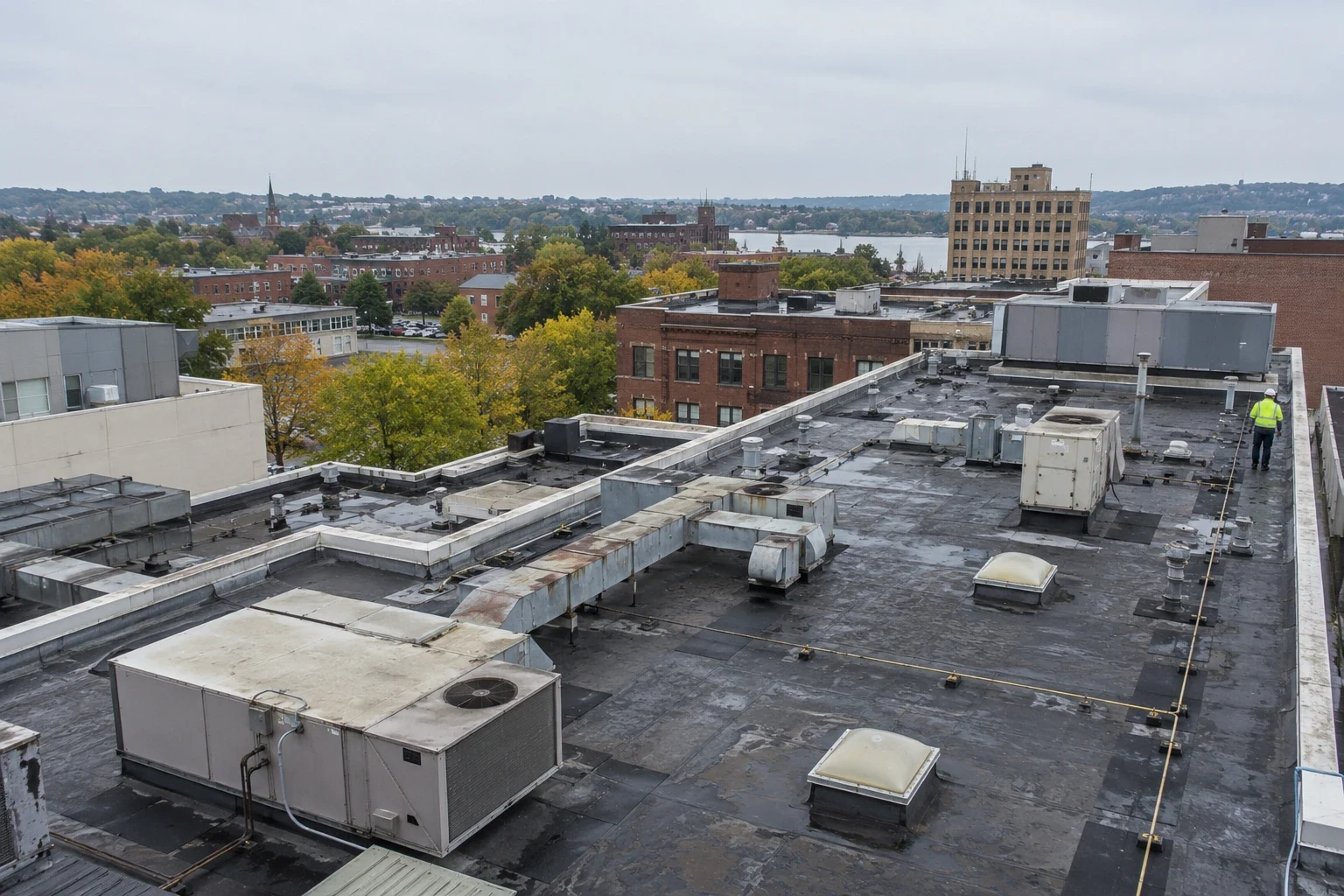
Walk-pad wear is the first line an inspector writes on a fulfillment roof, because the pads between the roof hatch and the rooftop units show how many service crews have crossed the membrane and where the surface beneath has gone thin. The reason to care this season is that a building running long hours gets serviced often, and a worn walk path is where a puncture becomes a wet pallet in the aisle below.
Port, rail and the West Shore
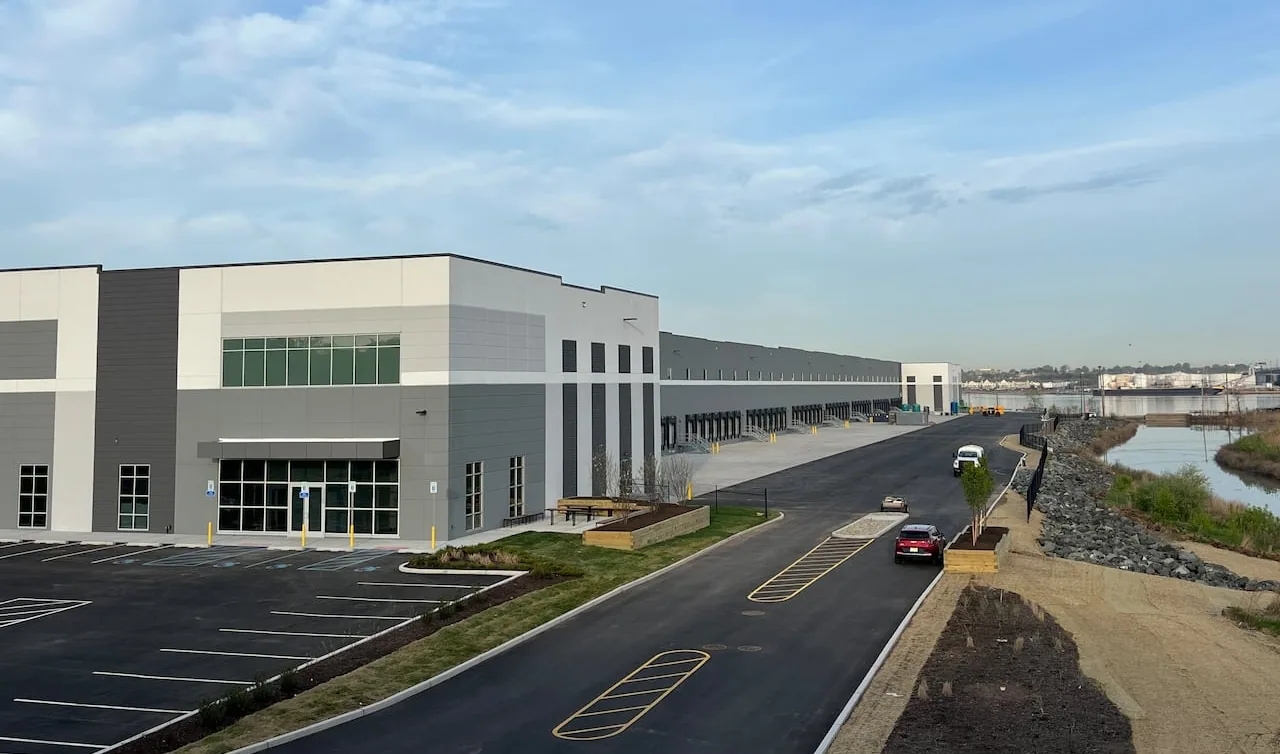
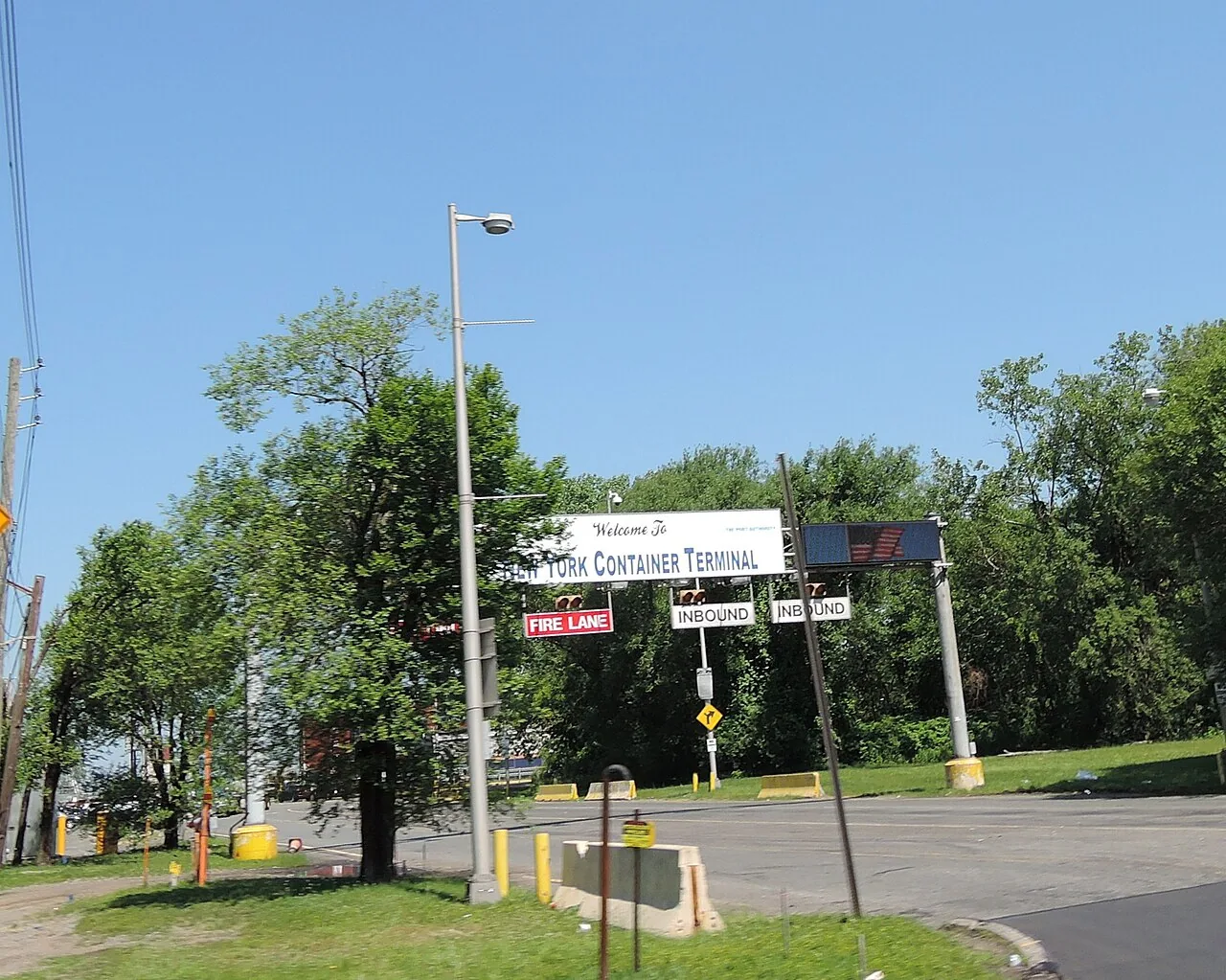
Freight shapes the West Shore. Howland Hook Marine Terminal spreads over 187 acres with three container-ship berths and a seven-track rail facility, the Port Authority is building a rail yard on part of the old Procter and Gamble factory site in Port Ivory, and the Travis Branch of the Staten Island Railway carries freight into the terminal. Distribution buildings sit in that geography, and the Matrix Global Logistics Park in Bloomfield, which opened in the fall of 2018, was built for shippers such as Amazon and Ikea. A distribution building of this kind has a wide, low-slope roof with dock canopies, rooftop equipment and a high demand for dry floor space.
Some of those buildings handle chilled goods, and a cold-storage roof carries a steeper moisture risk because the vapor pressure runs toward the cold side. Whatever the stored product, the roof has the same job: keep the deck above the stock dry, and leave the building's mechanical systems free of rain.
Traffic on the roof
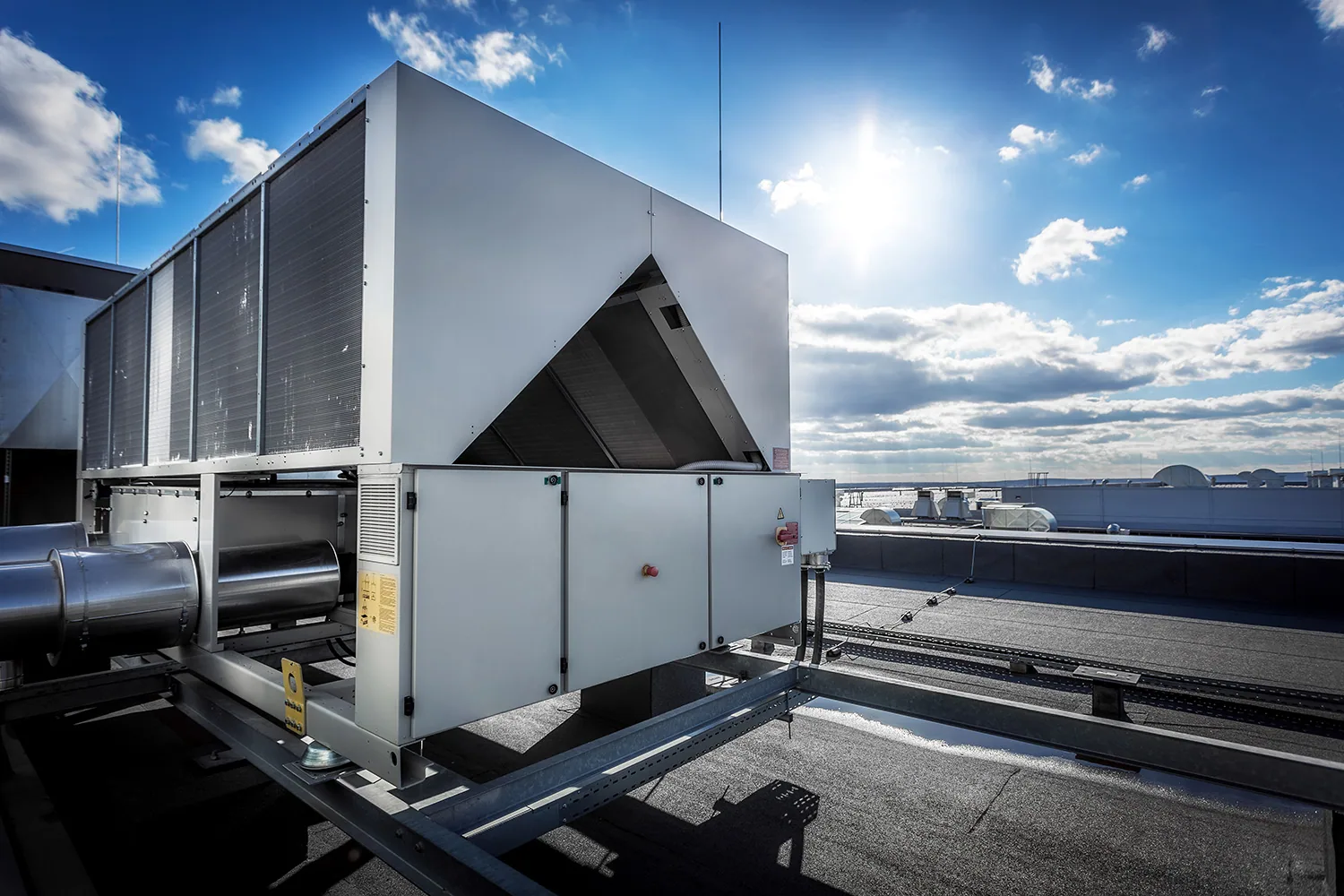
A distribution roof carries more foot traffic than almost any other commercial roof, because refrigeration, HVAC, fire and electrical technicians all have reasons to be up there. Each crossing wears the surface, and a roof without marked paths wears in a scatter of lines that converge on every unit.
We map the actual paths from the scuffing, install walk pads where the lines run, and look for membrane thinning or granule loss beside each unit. A rooftop equipment curb with a loose cover or a split sealant line adds a leak path right where crews stand. Protecting the route is cheaper than patching the puncture.
Rooftop solar and communications gear add another class of traffic. Installers cut penetrations, add rails and run conduit, and each addition is a place where the original roofing contractor's work was altered. We ask for a log of every trade that has been on the roof, and we examine each addition for flashing, support and sealant.
Dock canopies and perimeters
The dock side of a distribution building has canopies, scuppers and a long perimeter wall, and that is where wind lifts an edge and where water pours from an overflow scupper onto the dock apron. We check each canopy flashing, each scupper lip and each parapet return for movement.
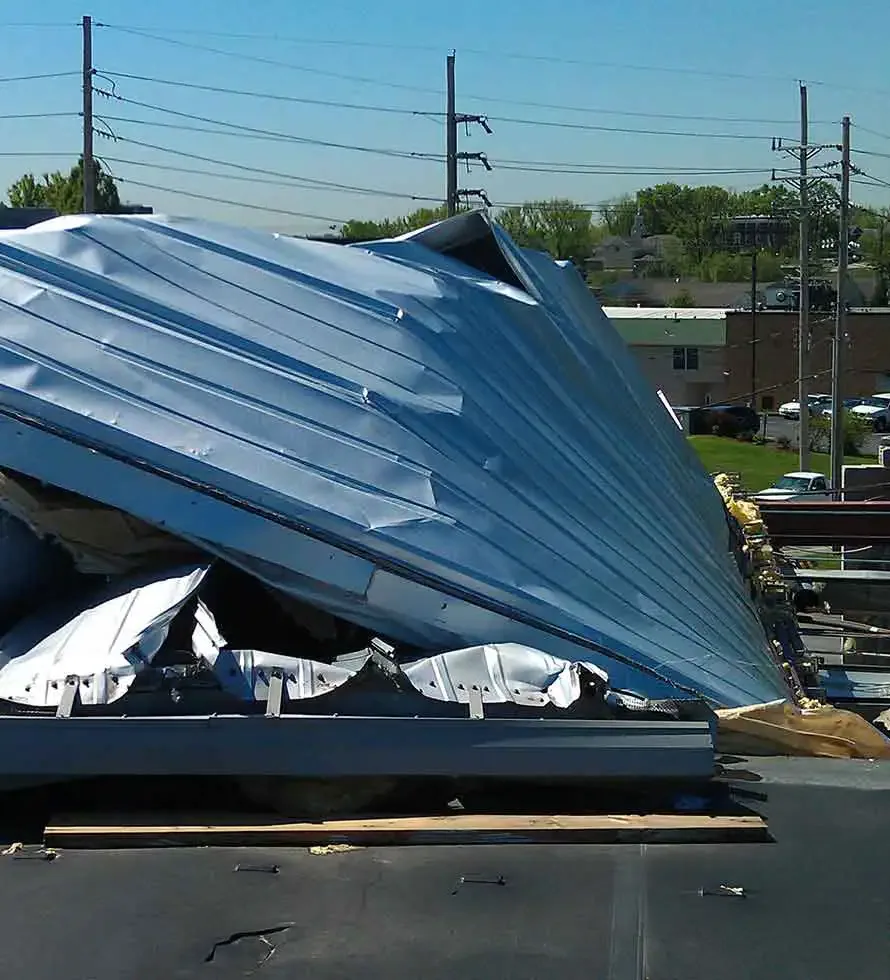
A lifted edge rarely looks dramatic from the ground. It shows as a thin gap along the perimeter, a fastener head standing proud of its plate or a bead of sealant that has pulled away from the metal. Wind off the water finds that gap, and the repair is far cheaper before the gap becomes a tear. Once it reaches the field, that gap is wind damage across a wide span.
Overflow scuppers deserve their own look. An overflow set at the right height gives a blocked drain a second exit, yet one whose lip has been buried under new membrane, or choked with debris, does nothing at all. We measure the scupper height against the drain bowl and clear the opening, so the roof has a way out for water in the hour that matters.
Wet insulation over inventory
Moisture in the insulation is the cost that does not announce itself. A moisture scan after sunset shows the warm patches of wet board, and a core cut beside each patch confirms the reading and tells us how many layers are involved.
For a fulfillment building, the interior question is what stands under the wet area: a pick module, a conveyor, a pallet aisle. We rank wet zones by what sits below them, so repairs begin over the highest-value space. A staged plan can close the worst section in days and place the remainder in the budget for the following season.
Fasteners are the other thing to read. On a mechanically attached system, a fastener that has backed out raises a small ridge in the sheet, and wind flutters the sheet over it. We scan for ridges, press them down and note any plate that has lost its bite, then re-seat or replace what we find.
Storm and winter checks
After any storm of Sandy's size, with 80 mph gusts in October 2012, perimeter attachment and drain backups are checked first. Rain on the scale of Ida's September 2021 flash flood emergency can pond a roof within the hour when a bay has one blocked drain. Snow brings weight and then meltwater, since New York City averages 29.8 inches a year and saw 27.3 inches on January 23, 2016, and ice that seals a strainer leaves the thaw standing on the seams.
Access and scheduling
With the Staten Island Expressway counted among the most congested roads in the city, roof deliveries are timed around bridge-day traffic. We book trucks for early windows, stage materials away from truck courts and confirm crane dates before the dry season fills.
A fulfillment building rarely shuts down for roof work. We work by section, protect the dock lanes and agree a hold signal with the operations manager, so any section can be closed in minutes if rain arrives early.
Hours matter too. Many distribution buildings run overnight, so quiet daytime work is easier to schedule than night work, and we agree noise windows with the shift lead so roof activity never lands on a loading peak.
Peak season changes the calendar more than any other factor. A distribution roof with trucks stacked at the docks cannot be closed off for a week, so the crew plans lifts, material staging and hot-work permits around the dock schedule, and the manager signs off on each zone before a single seam is touched. Zones that serve the busiest doors are left for the quietest days.
What goes in the log
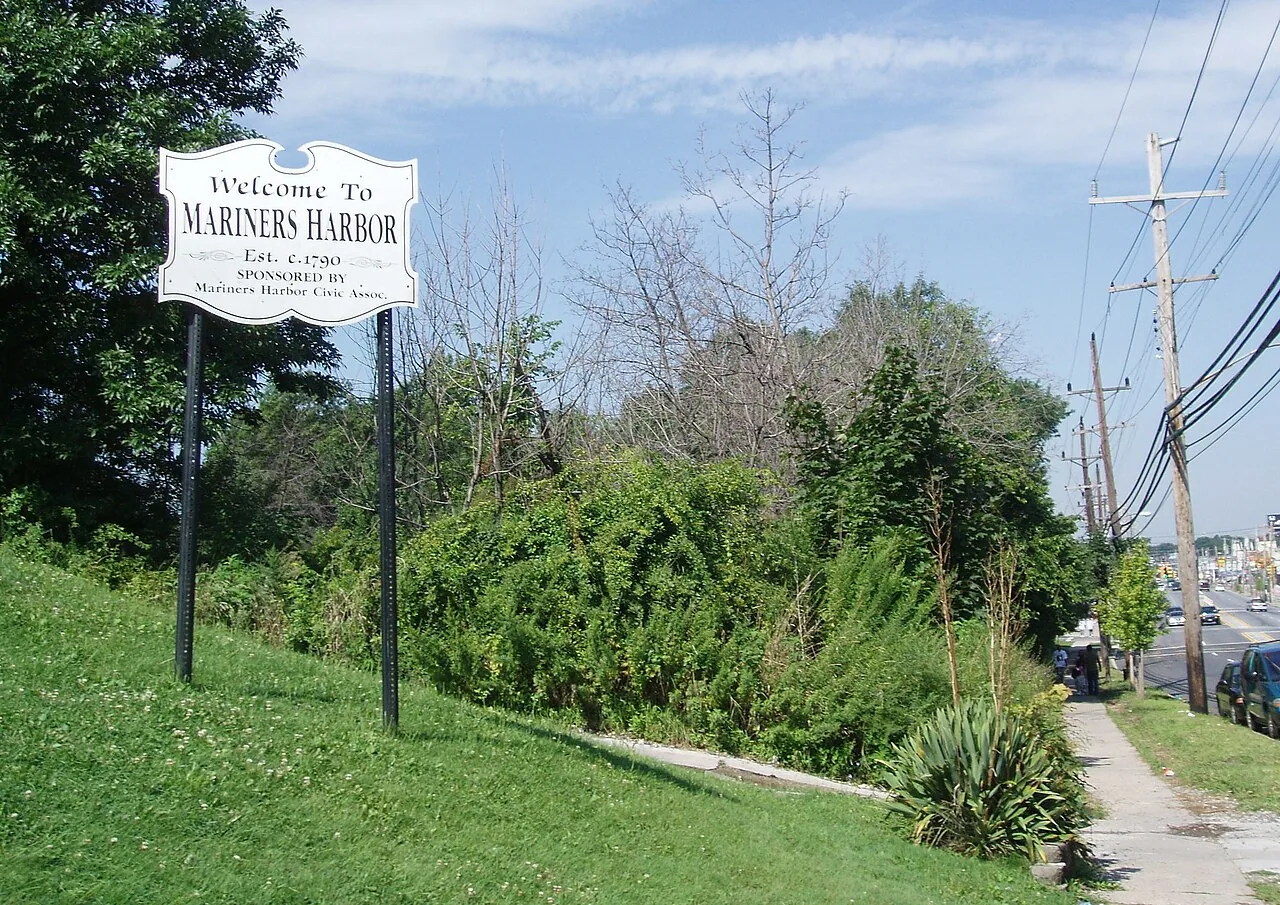
The log for a distribution building covers walk-pad wear, curb and flashing conditions, ponded seams, every drain strainer and the moisture map, and a photograph pairs with each entry so the schedule can rank them. A multi-site roof program keeps the same format across several buildings, which helps a logistics group compare sites. Facility directors in Port Ivory and Mariners Harbor get the same walk, and a warehouse roof follows many of the same steps.
Related Roofing Work
More roofing work that comes up alongside Distribution Center Roofing.
Commercial Roofing Questions
Why do puncture repairs keep appearing near the same rooftop units?
Service crews walk the same path every visit. Without walk pads, the membrane thins along that line. We install pads and repair the worn strip.
Can the roof be repaired while the building runs three shifts?
Yes. We work in sections, agree a hold signal with operations and close each section before the crew leaves.
How do you rank leaks over a fulfillment floor?
By what stands beneath them. A wet area over a conveyor or pick module goes before one over empty floor.
Is a coating a sensible choice for a distribution roof?
On a sound roof with dry insulation, yes. We confirm with a scan and a core cut, and we add walk pads before coating.
What records does a lender or buyer want?
Roof age, system type, recent repairs, a moisture map and photographs. The inspection log is built to supply them.