
Commercial Roofing in St. George, Staten Island, NY
Commercial roof inspection, repair and replacement in the St. George district of Staten Island, NY, from civic buildings to the waterfront retail area.
Civic buildings, a ferry and rail terminal and a waterfront outlet center share a few blocks of the St. George district in Staten Island, NY, and the roof work that goes with them is a mix of parapets, copings, low-slope sections and flashings that meet masonry. Commercial Roofing Staten Island inspects, repairs and restores commercial roofs here, and each visit begins with an inspector kneeling at the edge to see what the weather has done to the metal that caps the wall.
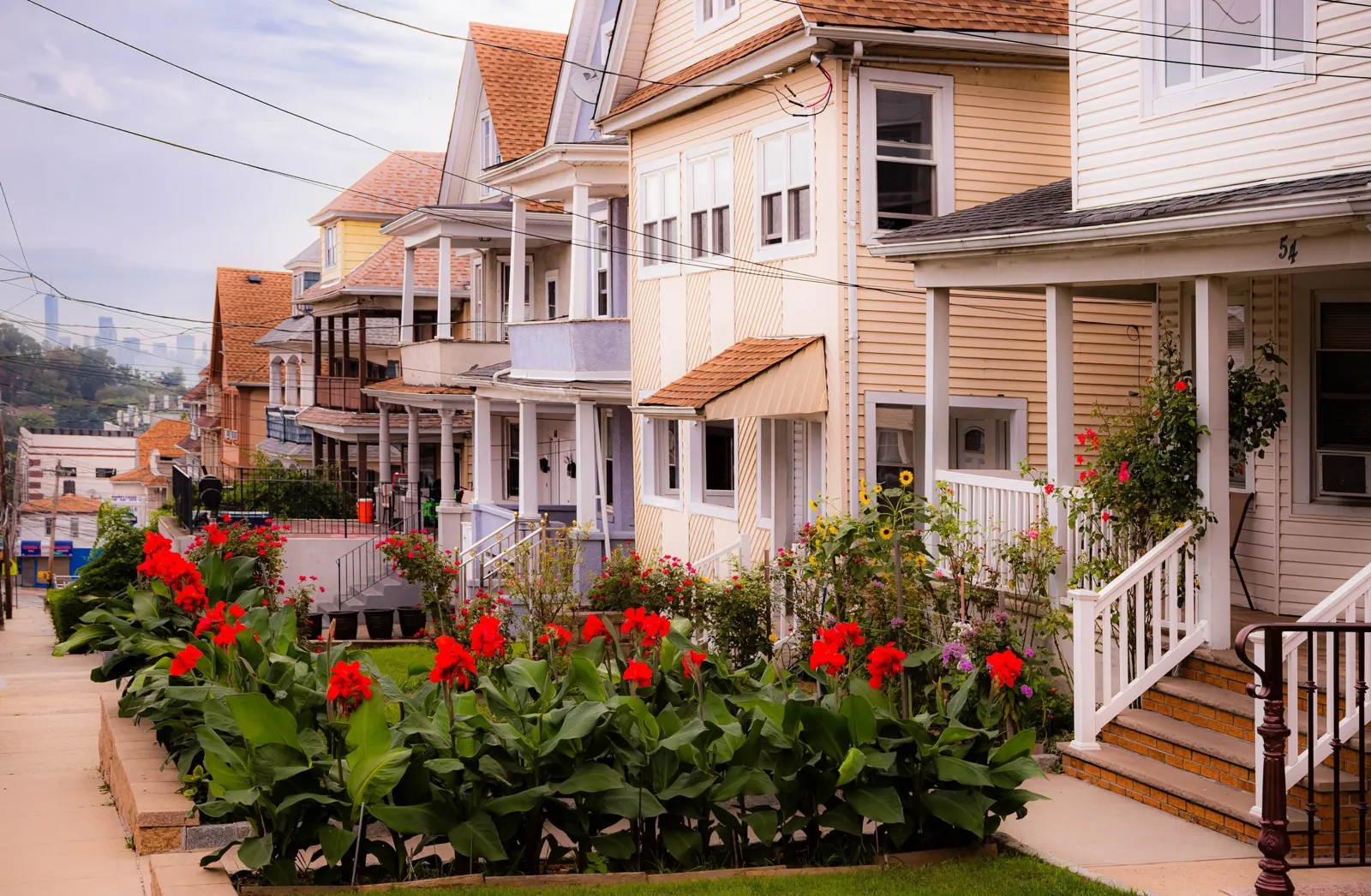
The district rises from the Richmond Terrace waterfront up a steep hillside, which shapes where buildings sit and how a crew reaches a roof. A hoist that works on a flat West Shore lot may have nowhere to stand here, so access is planned before the first quote goes out.
What the district holds
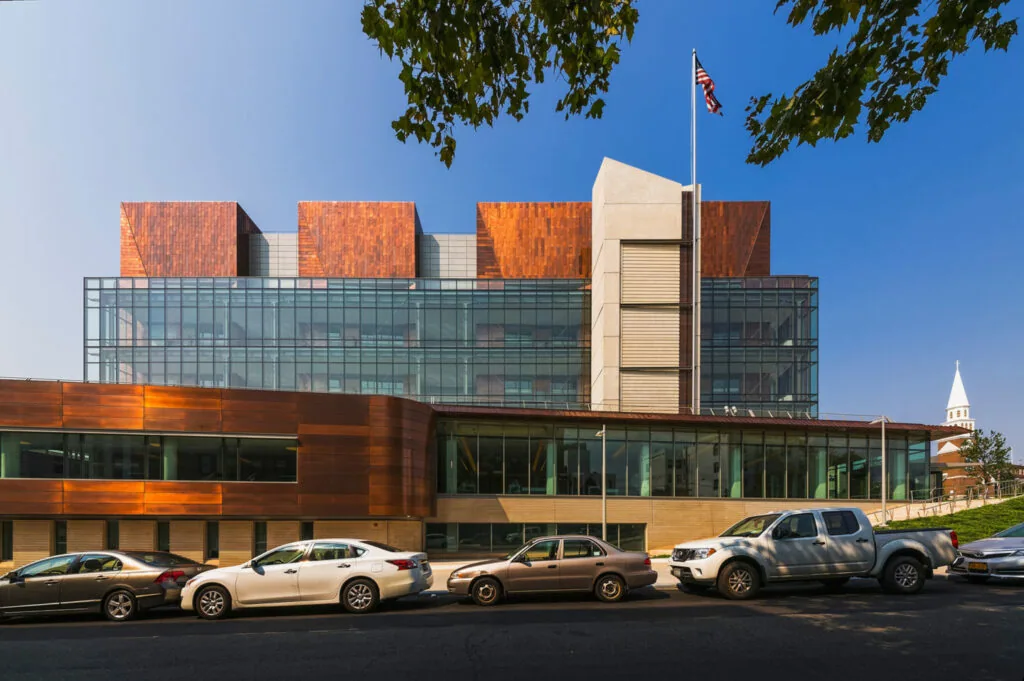
St. George Terminal, a ferry, rail, bus and park-and-ride complex dating to 1886 and last renovated in 2005, sits on the waterfront. Borough Hall, finished in 1906 in the French Renaissance style, faces Richmond Terrace next to the Neoclassical Richmond County Courthouse of 1919, and a limestone Art Deco federal office building from 1931 sits along Bay Street. Empire Outlets, a shopping mall, began operating beside the waterfront in May 2019.
The district holds several roof conditions, and each building gets its own core cut. A date of construction is not a roof's age, and a civic building may have been reroofed more than once. What we can say is what the building types ask for. Civic masonry wants careful work at parapets and copings. A retail complex of the 2019 kind wants drainage that clears quickly and walk routes protected from wear.
What the inspector sees first
On a masonry building with a parapet, the first note is nearly always the edge. A coping stone with an open joint, a counterflashing that has dropped from its reglet or a parapet return that has lifted by a quarter inch will let water behind the roof system, and the stain shows up inside the wall long before it shows on the roof. We check these before we touch the field.
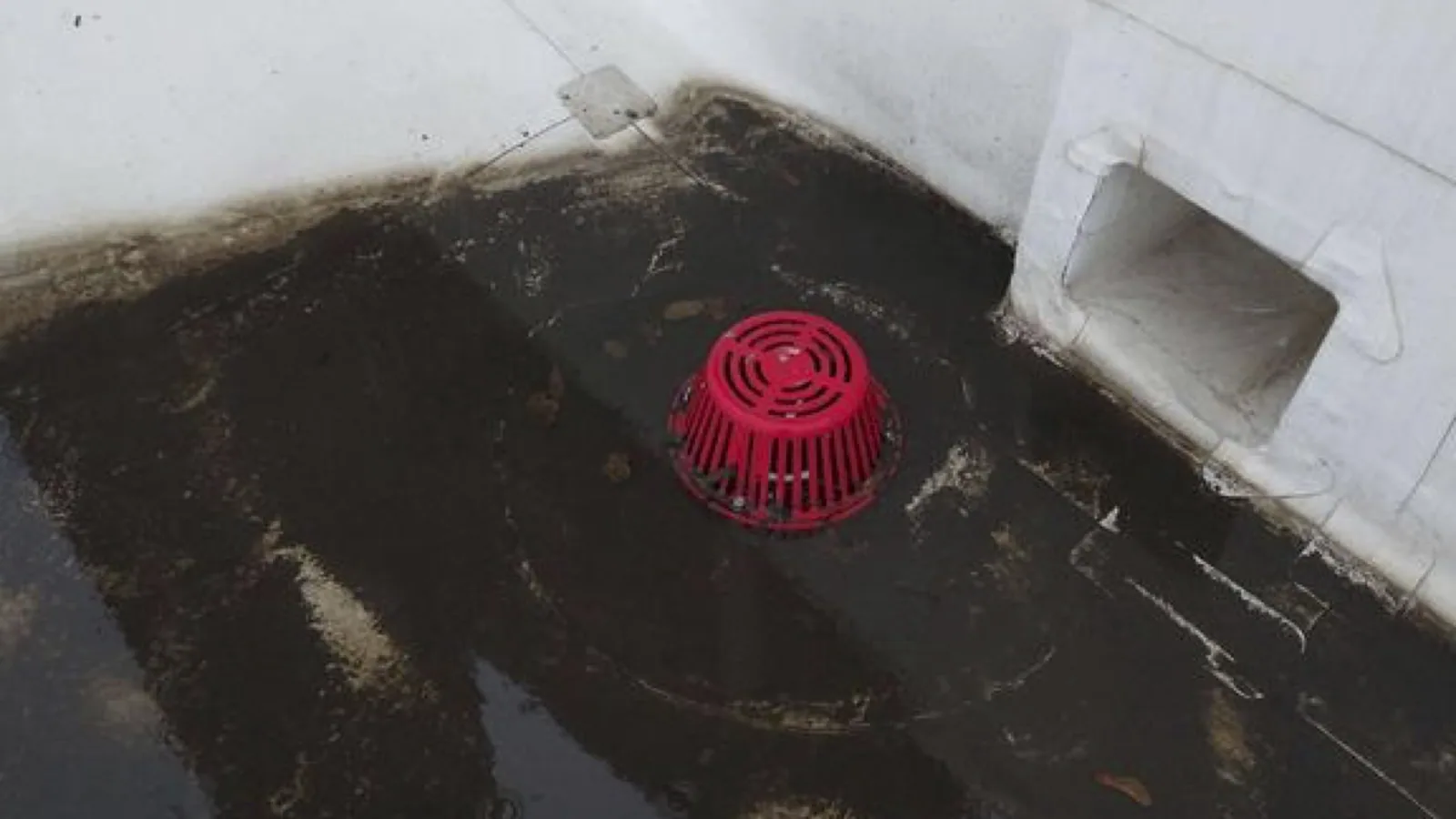
Drains come next. On a hillside district, runoff from higher ground and from the roof itself meets at the bottom, and a drain strainer packed with leaves turns an ordinary storm into an interior leak. Each strainer, sump and overflow gets cleared, photographed and logged. Our roof drain and scupper work treats the overflow route as seriously as the main drain.
Hillside access and the waterfront
The steep hillside terrain shapes where development can go, and that means narrower streets, tighter staging and roofs reached by stair or lift rather than a wide truck court. We walk the approach first, note where a hoist can stand, and plan material deliveries to arrive early. Rolls and board arrive on schedule and stay on the roof or in a protected staging spot, never on the sidewalk.
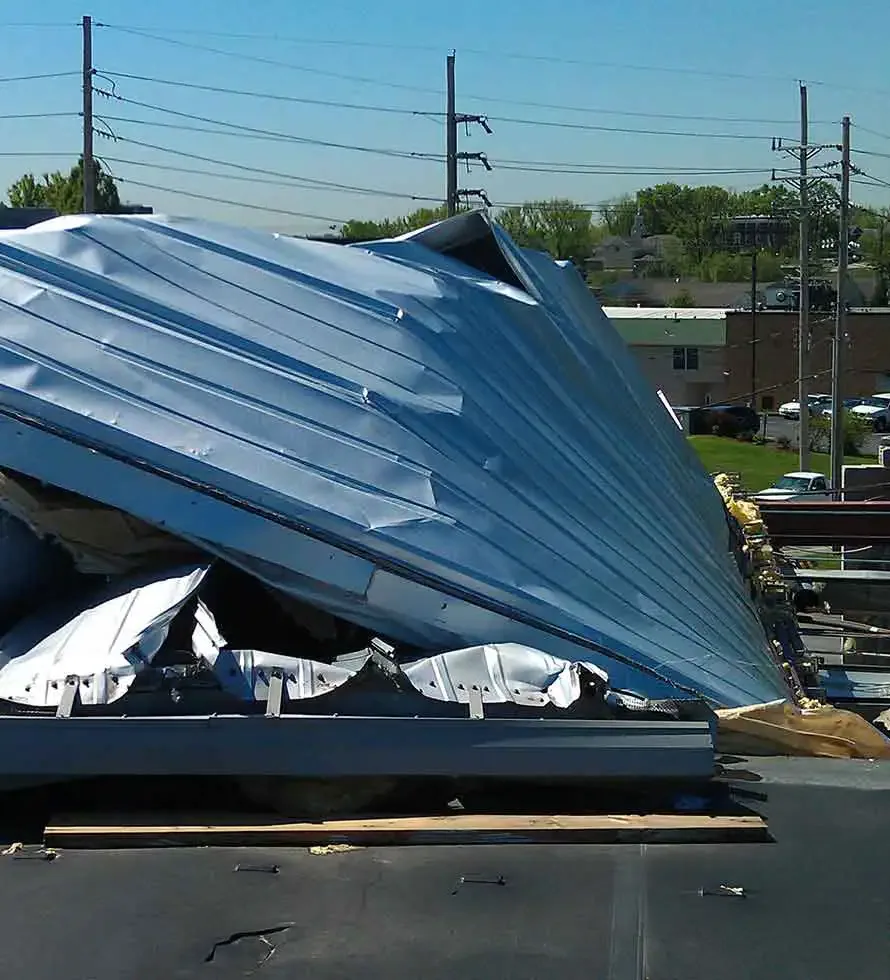
The waterfront side brings wind. The island is exposed on every side, and Sandy's gusts of up to 80 mph in October 2012 are why any roof here gets its edges checked for lifted metal and loose fasteners after a big blow. The wind damage repair routine starts at the perimeter and moves in.
Repair, restore or replace
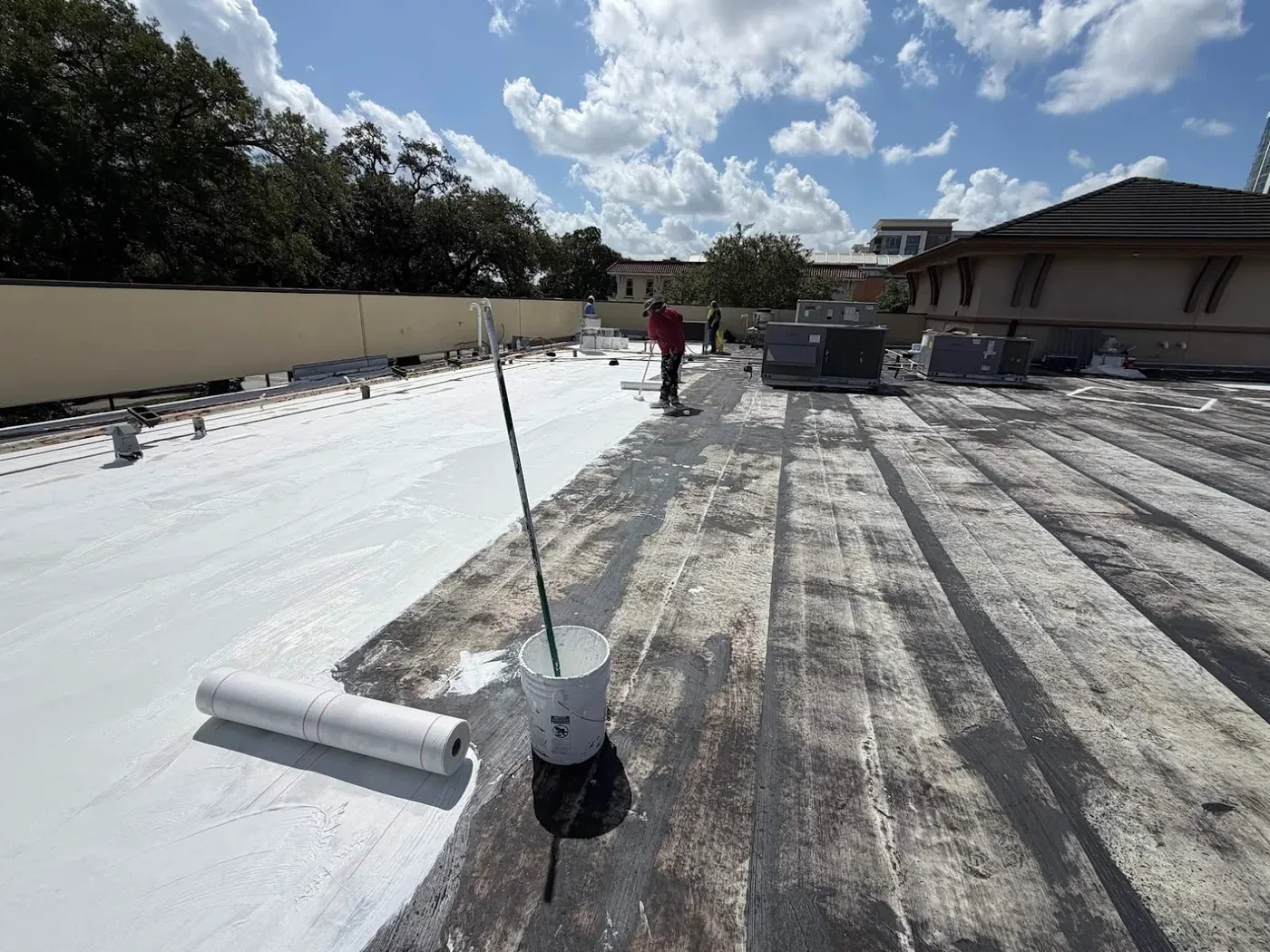
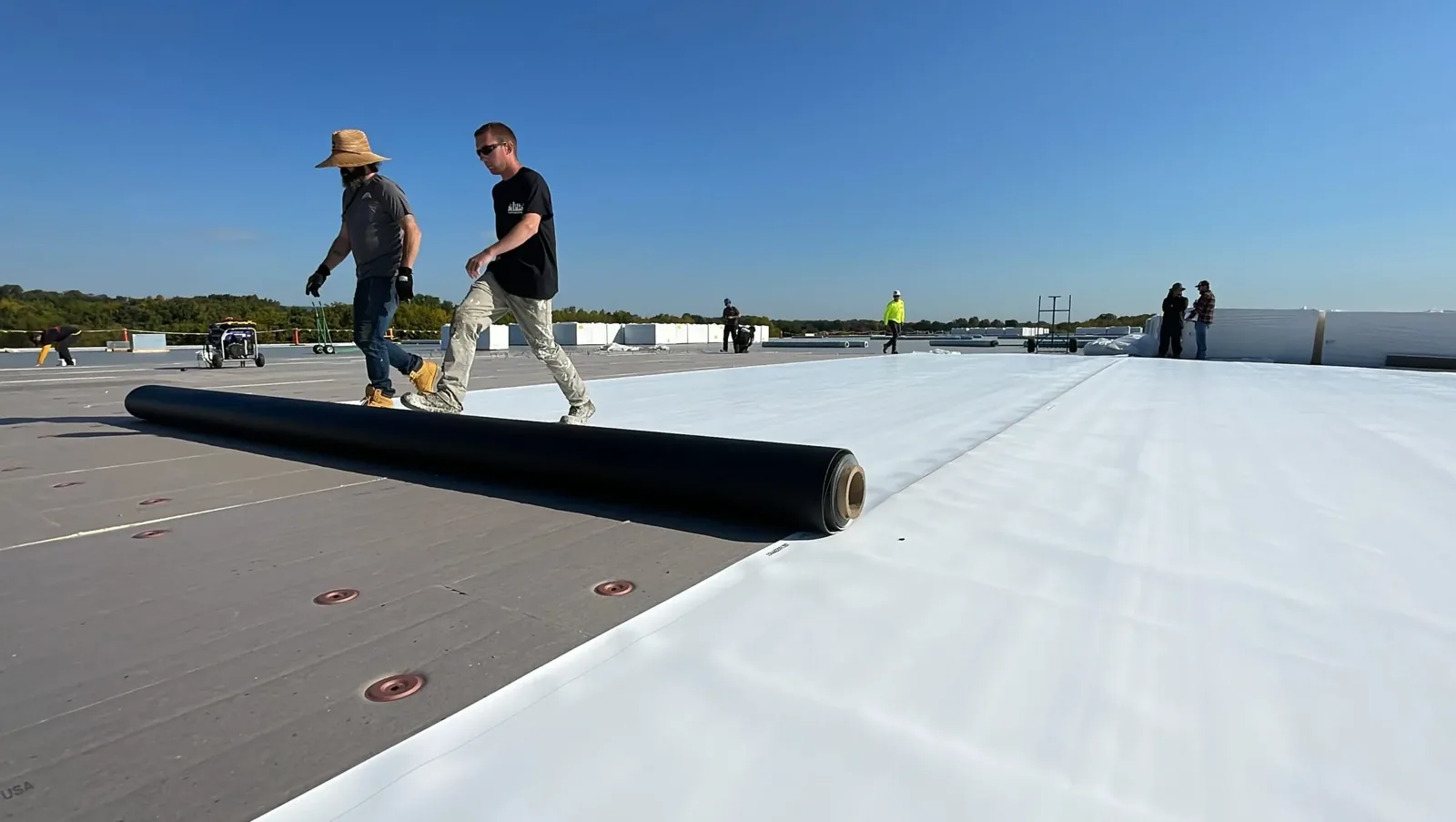
The owner's options follow the findings. A roof with local damage gets a repair, matched in material to what is there. A roof whose membrane is worn but dry can take a coating restoration, which extends service without a tear-off. A roof whose insulation is wet over a wide area needs a full replacement, and the moisture scan decides which of the three applies.
Cost and timing follow the details. Parapet length, the number of penetrations, the state of the wall behind the flashing and the difficulty of access move the price far more than the square footage. A hillside lift, a crane permit or a closed lane adds time, and we price those lines separately so the owner sees them.
Storm and winter checks
Winter tests the same drains and edges in a different way. Snow averages about 29.8 inches a year across the city, with 27.3 inches on January 23, 2016, and snow that lingers in a corner becomes ice at the drain by the next thaw. We clear strainers in fall and again after the thaw, and look at the first few feet of membrane inside the parapet for lifted laps.
Ida's rain in September 2021 set off a flash flood emergency across the city. A downpour like that tests every scupper and overflow, so the spring visit checks that the second route for water is open as well as the first.
Working around the terminal and the courts
Work near a transit terminal, a courthouse or a government building runs on the building's rules. Security checks, escort requirements and quiet hours set the calendar, and noisy work moves to times that do not disturb court sessions or office hours. For a retail complex, the quiet hours are before opening and after closing, and the work stays out of customer paths.
Neighboring districts share some of this work. Tompkinsville is one stop south on the railway, and Bay Street connects the two. Owners with both a civic roof and a retail roof can keep one inspection log for each, and the government building roofing notes follow the same format.
What goes in the log
Each walk closes with a written log holding a marked roof plan, a photograph of every finding, moisture scan results where a scan was run and a ranked repair list. Each item carries a rank, from can wait to fix now, and a line saying why. A facility director with the log in hand can plan the next season's work, brief a board or send the findings to an insurer without waiting for another leak.
The same log format carries to the district at Stapleton, so an owner with buildings in both places reads one report style. Each entry records the location on the roof, the condition found, the photograph number and the action taken, and when the work is done the closeout walk adds the new seam probe, the reset edge and the cleared drain to the same pages. Next spring's inspector then compares like with like instead of starting from nothing.
Related Roofing Work
More roofing work that comes up alongside St. George.
Commercial Roofing Questions
How do you reach a roof on the hillside streets?
We walk the approach before quoting. Stairs, lifts and hoist positions are noted, and narrow streets mean early deliveries and material kept on the roof, not on the sidewalk.
What do you check first on a stone building with a parapet?
The coping joints, the counterflashing and the parapet return. Water enters at those spots before it crosses the field of the roof, and the wall behind them shows damage first.
Can a courthouse or office roof be worked on during business hours?
Quiet work can be, with escorts and badges as the building requires. Noisy steps such as tear-off move to early mornings, evenings or weekends, agreed with the manager.
Does waterfront wind change the repair?
It changes the order of the work. Edge metal and fastener rows near the perimeter get attention first, because a lifted edge is how wind takes a section in the next storm.
How long does an inspection and report take?
The walk takes a day for most roofs, and the written log with photographs follows soon after. A larger roof, or one needing a moisture scan after dark, adds a second visit.