
Office Building Roofing in Staten Island, NY
Office building roofing in Staten Island, NY: inspections, repairs and replacements in Bloomfield, New Springville and St. George, planned around tenants.
A parapet return lifted by a quarter inch is a small line in an inspector's notebook, and on an office roof it is the line that explains the brown ring on a fourth-floor ceiling tile three weeks later. An office building collects complaints from tenants who do not know where the roof is, so the sooner the notebook line becomes a repair, the fewer calls reach the front desk this season.
The roof of an office building has no customer of its own, and that is the problem. Retail owners watch the roof because wet stock costs money. Office owners often watch it only when a suite is wet, so the inspection log does the watching: dated photographs, a drain count and a list of what changed since the last walk.
Where the offices sit
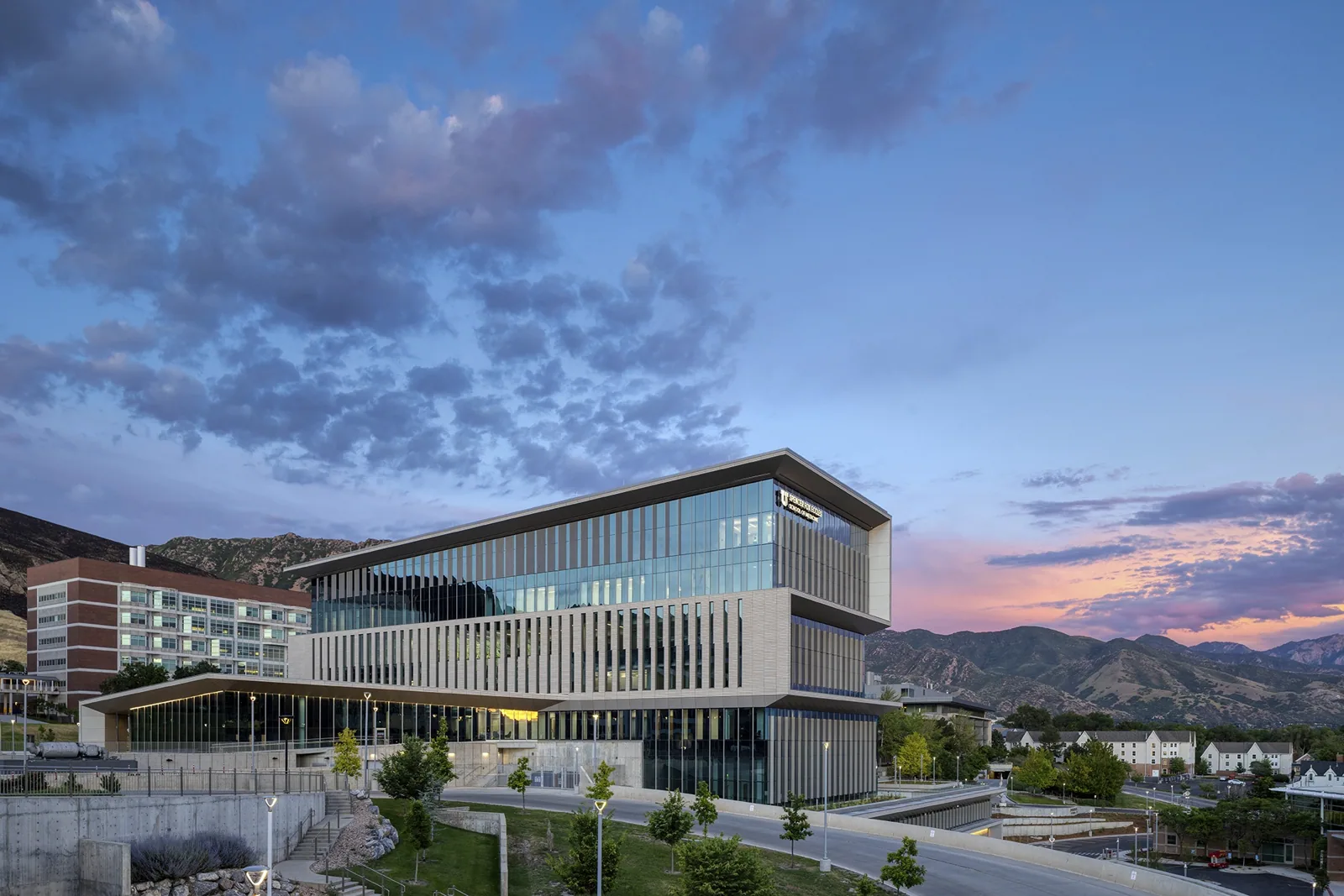
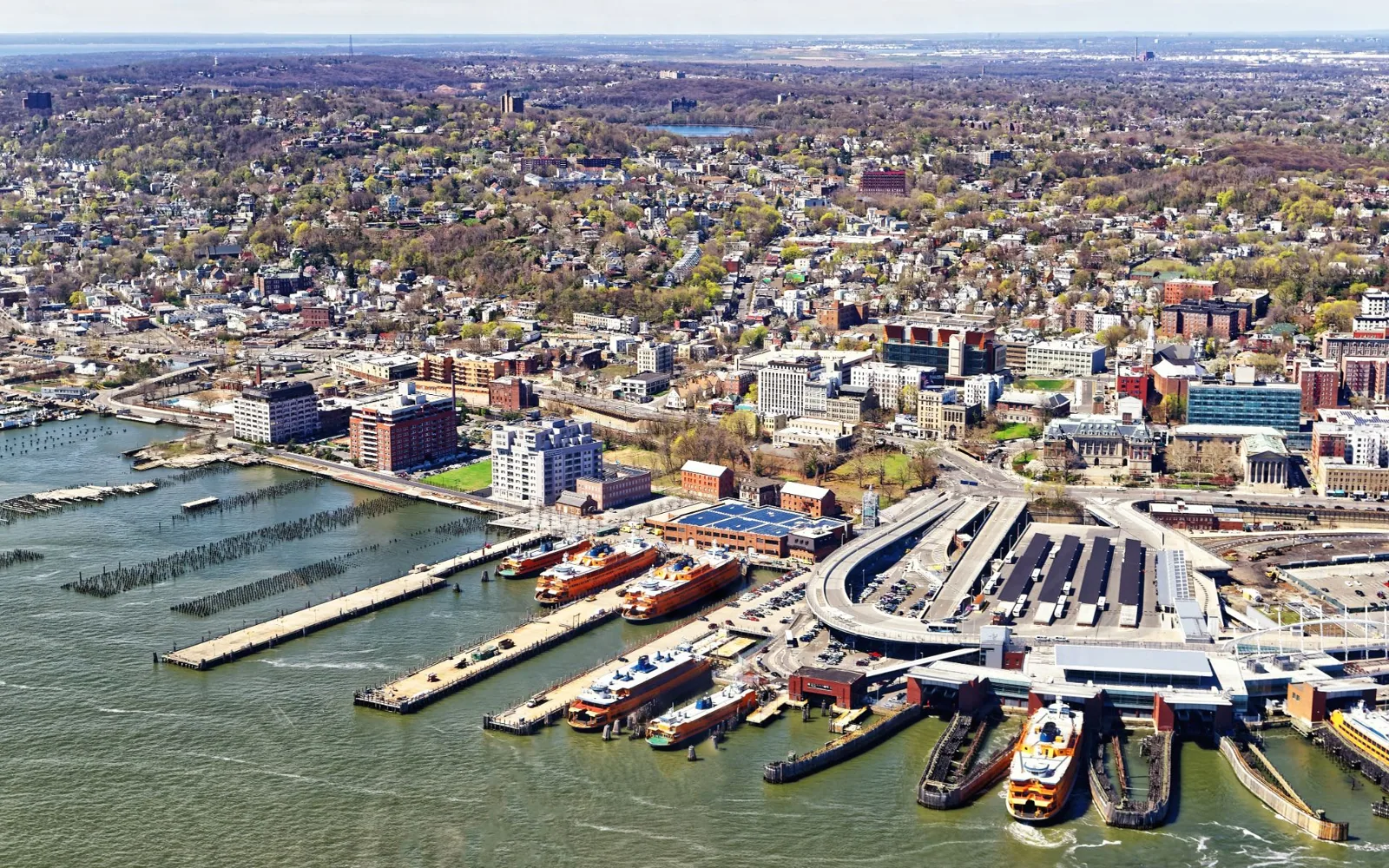
Bloomfield picked up speed as a commercial address in the late 1980s, when several large office buildings went up. New Springville has grown to rival St. George as a commercial and administrative center, with nearby land turning mostly to retail once the Staten Island Mall opened in 1973. St. George keeps its older civic and office buildings around Borough Hall, among them the limestone Art Deco Federal Office Building, finished in 1931. An office roof is a different job in each of those settings. Office buildings from the late 1980s were commonly built with low-slope roofs and rooftop units, and the walk looks for that pattern on arrival. A hillside building in St. George, where steep terrain shapes development, may have stepped roof levels, a masonry parapet and limited access. We read the building before we pick the repair.
Around Borough Hall on Richmond Terrace and the 1919 Richmond County Courthouse, any building of that era with its roof behind a parapet or cornice makes the edge the issue: coping, counterflashing and the sealant at stone joints decide whether water stays on the roof or runs down the inside of the wall.
Tenants and complaints
Tenants report a leak by room, and the room tells us the zone of the roof. A property manager who keeps a log of complaints by suite gives us the most useful starting point. A cluster of three complaints in one corner suggests one cause, such as a drain or a curb, not three separate leaks.
We plot the complaints on a roof plan, then walk the zone. A leak repair at the right place ends the run of calls. A patch at the wrong place moves the stain a few feet and starts a new one. The plot saves tenant goodwill and repair cost.
Move-ins and move-outs are a useful moment. When a suite turns over, the new tenant's equipment plan can be reviewed against the roof before a unit is installed, and the landlord can write roof rules into the new lease. A short rider that requires roof contact before any rooftop work prevents most of the penetrations that later leak.
Rooftop units and tenant additions
Office tenants add equipment over the years: supplemental cooling, exhaust for a kitchen, antennas, satellite dishes. Each addition is cut through the roof by whichever trade the tenant hired, and the flashing quality varies. We inventory every penetration, note who owns it and check the sealant and curb condition.
Walk-pad wear shows which units get serviced most. We install pads along the routes, flag any support that rests directly on the membrane and ask that new work be coordinated with us before it starts. An infrared moisture survey shows whether a leaking curb has already wetted the insulation around it.
Supports deserve a second look. A condenser frame that rests on bare membrane wears a ring into the surface, and a sleeper or pad underneath spreads the load. We check every frame, lift one where the wear is suspect and record the membrane condition beneath it.
Storm and winter checks
Wind of 80 mph came with Sandy in October 2012, and after a storm like that parapet returns, coping and rooftop units get checked. A drain strainer that is nearly blocked in a normal storm becomes a pond in a cloudburst such as the one behind Ida's flash flood emergency in September 2021. Winter adds snow load and meltwater, with the city's yearly snowfall averaging 29.8 inches. In July the mean daily high reaches 84.9 F, and the sun that bakes a dark membrane also ages the sealants. We check drains each season and record what we find.
Terraces, plazas and mixed roofs
Some office buildings have a rooftop terrace, a plaza deck over a garage or a green or paved area. Pavers and planters sit on drains, and a blocked drain beneath a paver is a leak waiting to happen. We lift a sample of pavers, check the drains and see whether the waterproofing below is dry.
When a terrace roof leaks, the repair often means lifting the surface, fixing the waterproofing and replacing the surface. We scope it so the cost of the surface and the cost of the waterproofing are separate, and the owner can see what each repair needs.
Access and scheduling
An office building is used on weekdays, so loud work is best done outside core hours. We schedule tear-off and hoisting for early mornings or weekends where lease terms allow, protect parking and entrances and keep a tenant notice posted at the lobby. Crane dates are booked with an eye on bridge-day traffic, because the Staten Island Expressway ranks among the city's most congested roads.
Air intakes are covered during adhesive work, and we coordinate any shutdown of rooftop units with the building engineer.
Lifts and stairs are shared with tenants, so material loads travel by a service route agreed in advance. We protect corridors, keep the lobby clean and remove debris through the same route each day.
Tenants notice noise before they notice leaks, so the crew proposes the loudest steps for early mornings or weekends and tells the property manager which floors sit directly below the work. A notice goes out a few days ahead, the lobby gets a plain description of what to expect, and the roof is cleaned of debris each evening before the crew leaves.
What goes in the log
The log for an office building holds the complaint plot, each penetration and its owner, every ponded seam and the moisture map, and a photograph backs each line. A capital plan places the larger work across years. Facility directors in New Springville and St. George get the same walk. Clinical tenants change the schedule, as on a medical office roof, and a shopping center roof shows how a multi-tenant roof divides into zones.
Related Roofing Work
More roofing work that comes up alongside Office Building Roofing.


Commercial Roofing Questions
Why does a ceiling stain show up in a different suite than the leak?
Water travels along the deck and ductwork before it drops. We plot every complaint on a plan and trace the path upward.
Who should approve new rooftop equipment?
The property manager, with the roofer in the loop. A coordinated penetration is flashed correctly the first time.
Can roof work be done without disturbing tenants?
Most of it, with early-hour or weekend scheduling, posted notices and covered intakes.
What does a terrace repair involve?
Lifting the surface, repairing the waterproofing and drains, and putting the surface back. We price each part separately.
How should leases handle roof responsibility?
The lease should say who maintains the roof and who pays for tenant additions. The inspection log shows which party caused a failure.