
Commercial Roofing in New Springville, Staten Island, NY
Commercial roofing in New Springville, Staten Island, NY for retail decks, additions, offices and service buildings, with junction, curb and drain repair.
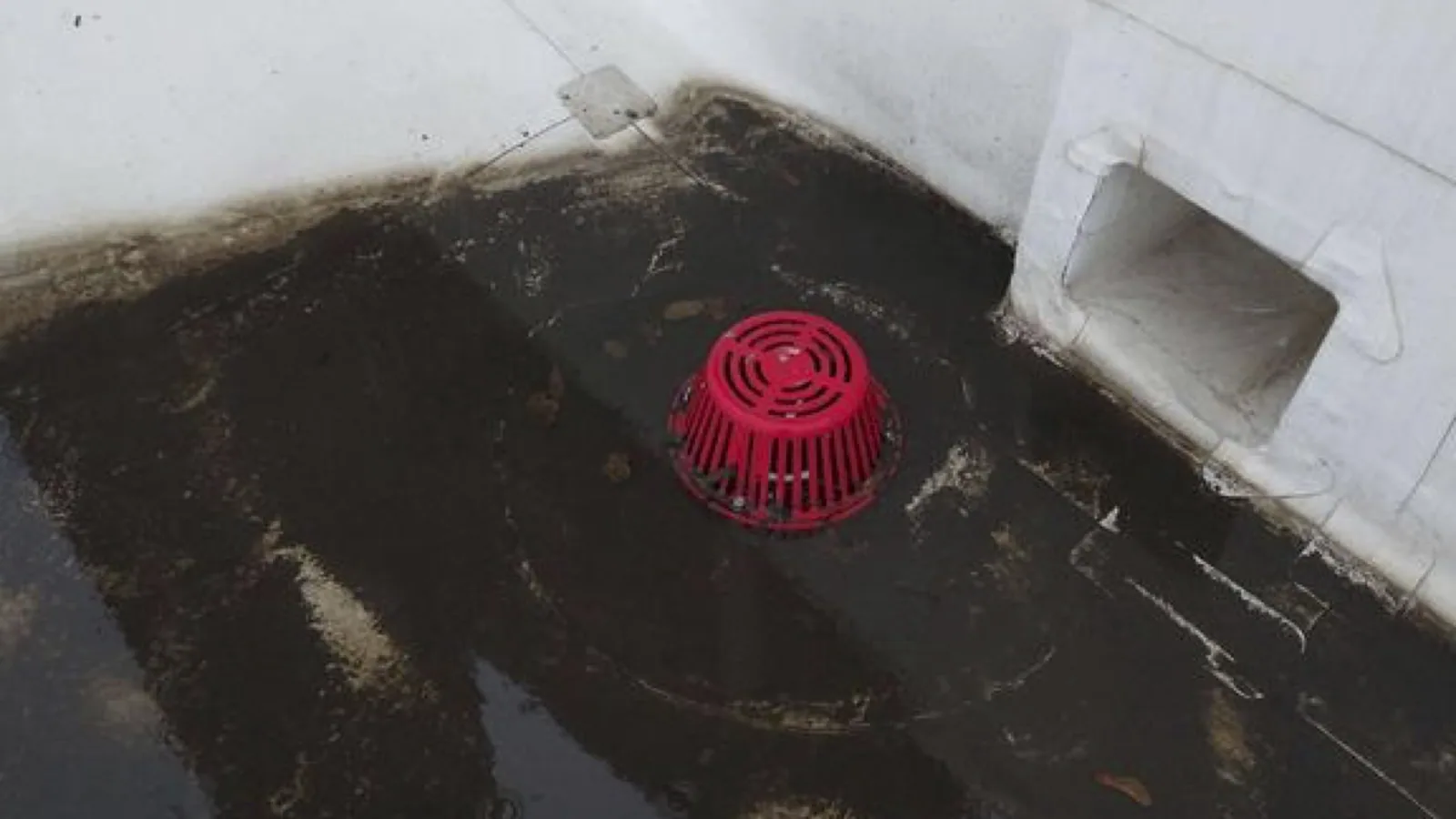
Rooftop units set down in a different decade from the roof beneath them, a seam where an addition meets the older building, a drain bowl at the low corner of a deck that serves a whole row of stores: an inspector's notebook on a New Springville roof is a story of expansions. Retail land here shifted toward shopping once the Staten Island Mall opened in 1973, and the roofs that followed were added one on another.
On retail, office and service buildings in New Springville, Staten Island, NY, Commercial Roofing Staten Island repairs and replaces low-slope roofs, and a property manager is asked first where the old roof ends and the new one begins.
A commercial core led by retail
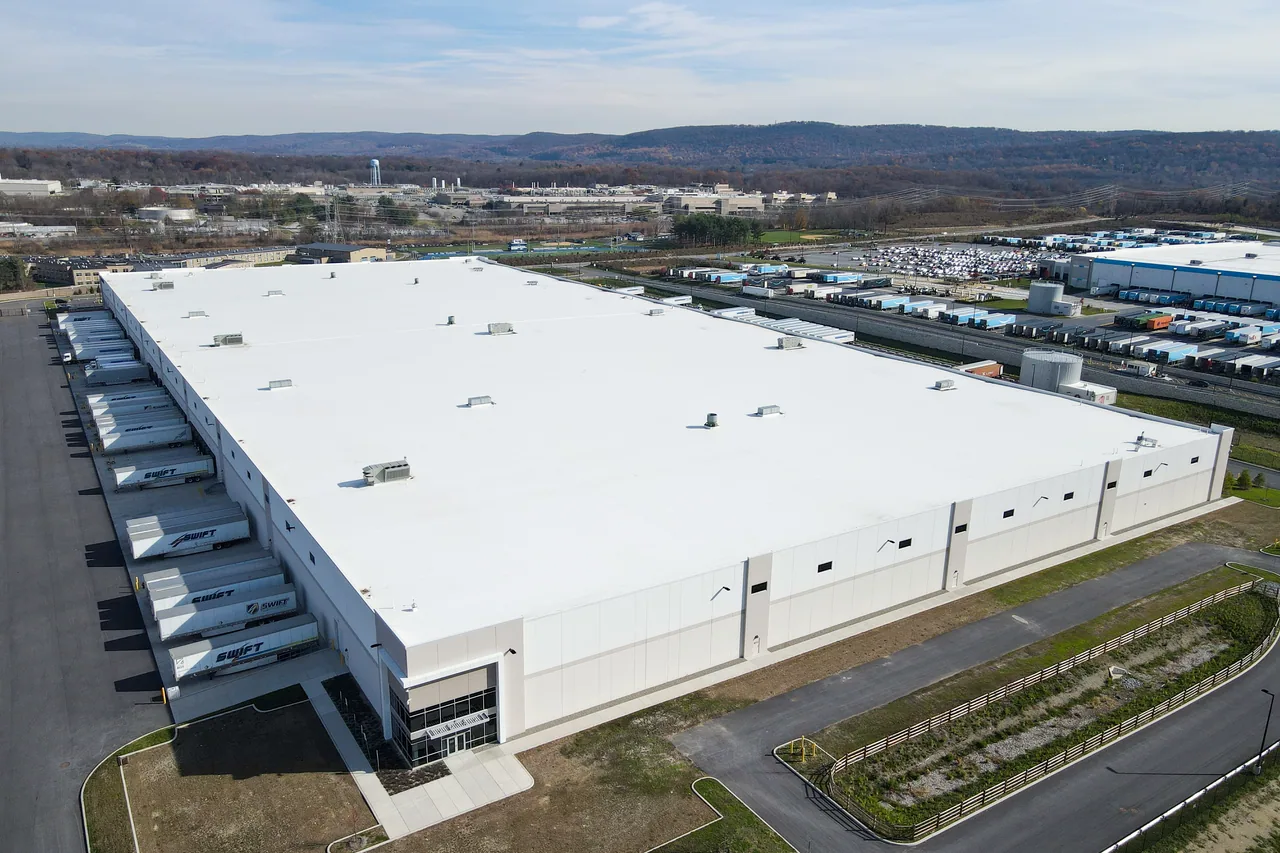
The Staten Island Mall, open in New Springville since 1973 is the island's biggest retail center and its only indoor mall, and it grew by an expansion between 2016 and 2019. The district now rivals St. George as a commercial and administrative core, and nearby land turned mostly to retail once the mall opened. A retail district is never one roof. Large stores, in-line shops, restaurants, service buildings and offices surround the mall, each with its own deck, age and owner. We rate each one separately and give the property manager a summary that shows the whole district side by side.
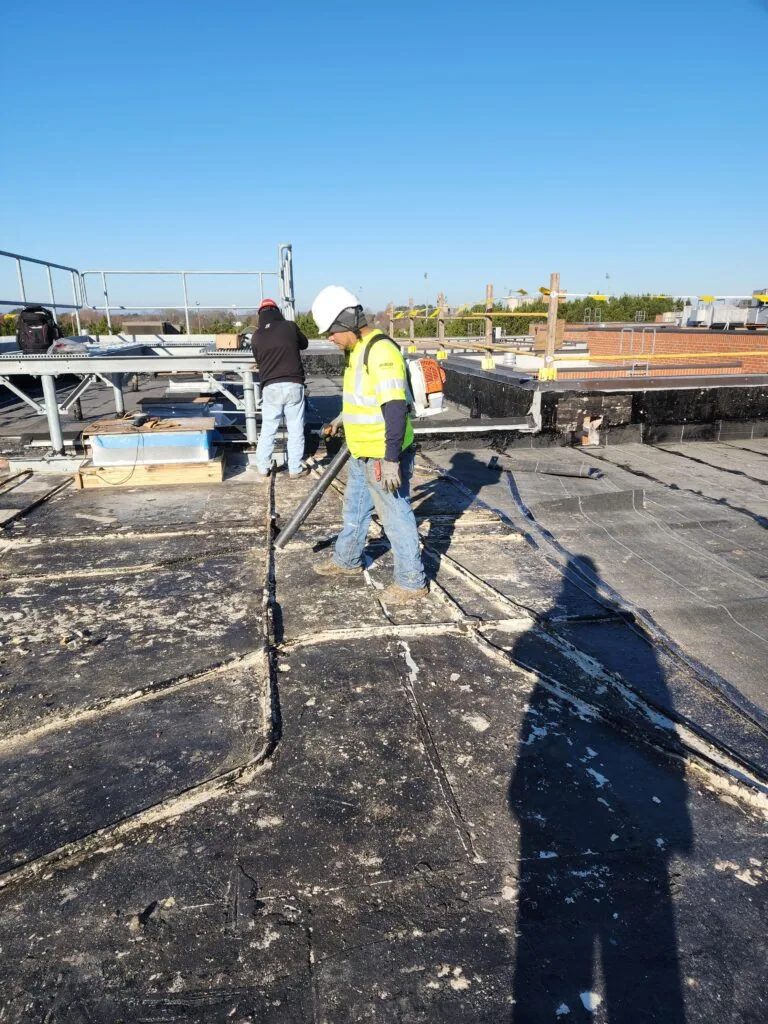
The first walk follows one sequence on every roof: drains and strainers, then penetrations and curbs, then seams and laps across the field, then the perimeter and the junctions with neighboring buildings. A moisture scan after sunset maps wet insulation, and core cuts confirm it. A district-wide report lets an owner see that a roof in poor shape sits beside one in good shape, and decide which gets money this year. Photographs are tied to a plan with bay numbers so a tenant's complaint can be matched to a roof area the same day it arrives.
Where old roofs meet additions
The junction between an older building and an addition is the most common leak point on a retail property that has grown. Two membranes meet at a wall or a curb, two drain systems feed one leader, and two sets of flashing details overlap. The expansion between 2016 and 2019 is a reminder that big retail buildings keep changing, and each change creates a new seam.
We trace each junction from both sides, check the tie-in flashing and test for water at the wall. Repairs include re-flashing the transition, adding a cricket to move water away from the joint and, when needed, replacing the older section so the two roofs share one system. Drain and scupper work often goes in alongside, since added roof area changes how much water reaches each outlet.
Big decks, many curbs and tenant equipment
Large retail decks, whether over a big-box store or a row of in-line shops, carry rooftop units, exhaust fans, refrigeration condensers and signage brackets, and each one sits on a curb or a stand. Tenants change, and so do the units, so a deck collects penetrations over time. A curb sized for an old unit may not fit the new one.
We map every penetration to a tenant or a bay, photograph it and rate the flashing. Walk pads go along service routes. Big-box retail roofing work uses the same inventory, and the property manager can bill each repair to the party responsible. Where a tenant leaves, abandoned curbs and capped pipes are removed or sealed, and the roof gets a cleaner map.
Service buildings and the bus depot
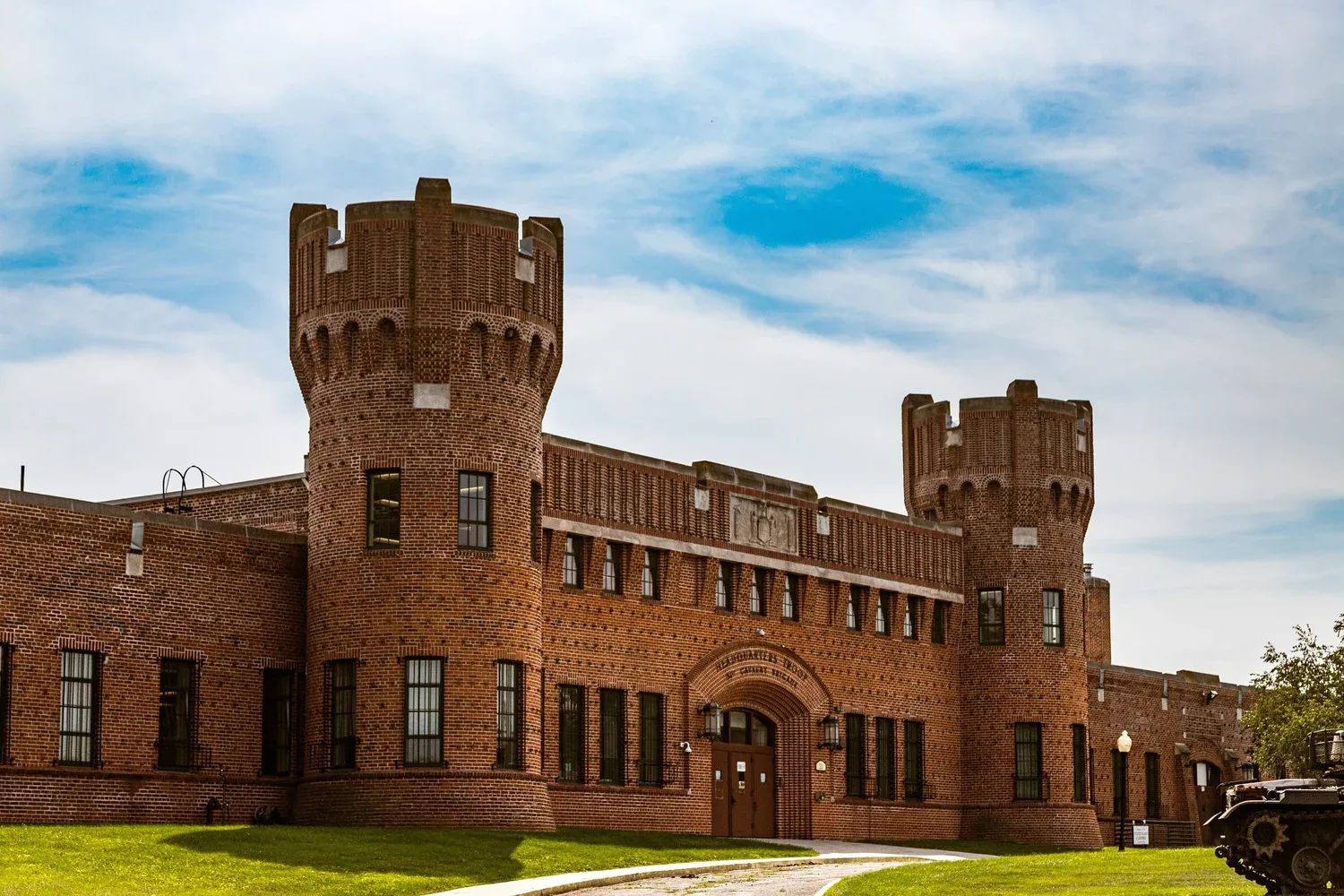
The Yukon Bus Depot, opened in the early 1980s, can accommodate 380 buses, and a facility of that kind has wide roofs, heavy equipment and operations that run through shifts. Buildings that serve fleets and service crews need roofs that handle exhaust, heat and traffic on the deck.
Roof work on a depot-type building follows the operation. The roof is sectioned by bay, each section is dried in the same day and noisy steps are timed away from shift changes. Overhead crane lifts and deliveries keep clear of vehicle lanes. We apply the same planning to any service or maintenance building in the district, and the log notes the operating hours that matter for scheduling.
Cost on buildings of this kind follows access and sequencing as much as area. A deck that can be reached by a stair and a hoist costs less than one that needs a crane, and a roof worked in six bays costs more in supervision than one worked in two. The report names those drivers so the owner can see why one quote differs from another, and it lists the cheaper option, a repair or a coating, beside the replacement for each roof.
Offices, banks and the administrative side
New Springville's role as an administrative core means offices, banks and service counters sit among the stores. Office roofs have rooftop units, small decks and parapets, and a leak over a finished ceiling costs more than a leak over a stockroom. A moisture scan before a ceiling is repaired shows whether the water is still coming in.
We schedule roof work for evenings and weekends where offices need it, and protect interiors under every opening. Tenants get notice in writing. The report separates the landlord's roof from the tenant's equipment, as it does on any office building roof, so each party knows what it owns.
Rain, snow and the big-deck test
Large flat decks with a few drains are tested by cloudbursts. In a downpour like the one behind Ida's flash flood emergency of September 2021, a deck with a packed strainer holds the water until the parapet or the membrane gives way. Spring is the wettest season, so the walk comes before the rain. Snow adds its own test, averaging 29.8 inches a year in the city and reaching 27.3 inches on January 23, 2016, and it stacks against parapets and curbs and melts back toward the wall, so base flashing in those corners goes on the March list. Overflow scuppers get added where the parapet allows.
Scheduling around trading and the program
Retail properties have hours and seasons. Work is done before opening or after closing, large sections are planned outside the holiday trading period and customer paths stay clear. Crews use side entrances and service lanes. Retail districts see steady traffic, so deliveries and crane lifts are timed for quiet hours.
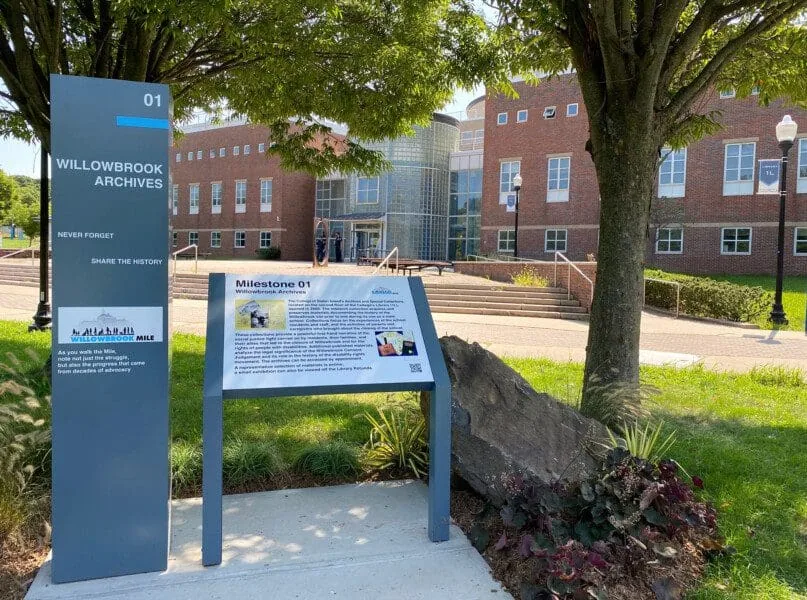
Owners with several properties in the district get one report, one calendar and one price format. Castleton Corners and Willowbrook sit close by and follow the same sequence. A scheduled walk each spring and fall, as part of preventive roof maintenance, keeps small items from becoming mid-season leaks.
Related Roofing Work
More roofing work that comes up alongside New Springville.

Commercial Roofing Questions
Our mall-adjacent building keeps leaking at the wall where the addition joins. Why?
Two roofs meet there, with two sets of flashing and often two drain layouts. We trace the water from both sides, test the tie-in and rebuild the transition, sometimes with a cricket to push water away from the joint.
Can retail roof work happen without losing customers?
Yes. We work before opening or after closing, close customer paths with signs and move debris by service lanes.
How do we split responsibility with a tenant?
The log maps penetrations to tenants and bays. The lease sets responsibility, and the photographs show who installed what.
What matters on a depot roof?
Exhaust, heat and equipment loads, plus the operation's shifts. We section the roof by bay and time noisy steps away from shift changes.
What should a manager send first?
The site plan, the roof ages and the leak history. We walk the roofs and return a ranked list.