
Preventive Roof Maintenance in Staten Island, NY
Scheduled commercial roof maintenance in Staten Island, NY, with spring and fall visits, drain clearing, photo logs and ranked repair lists.
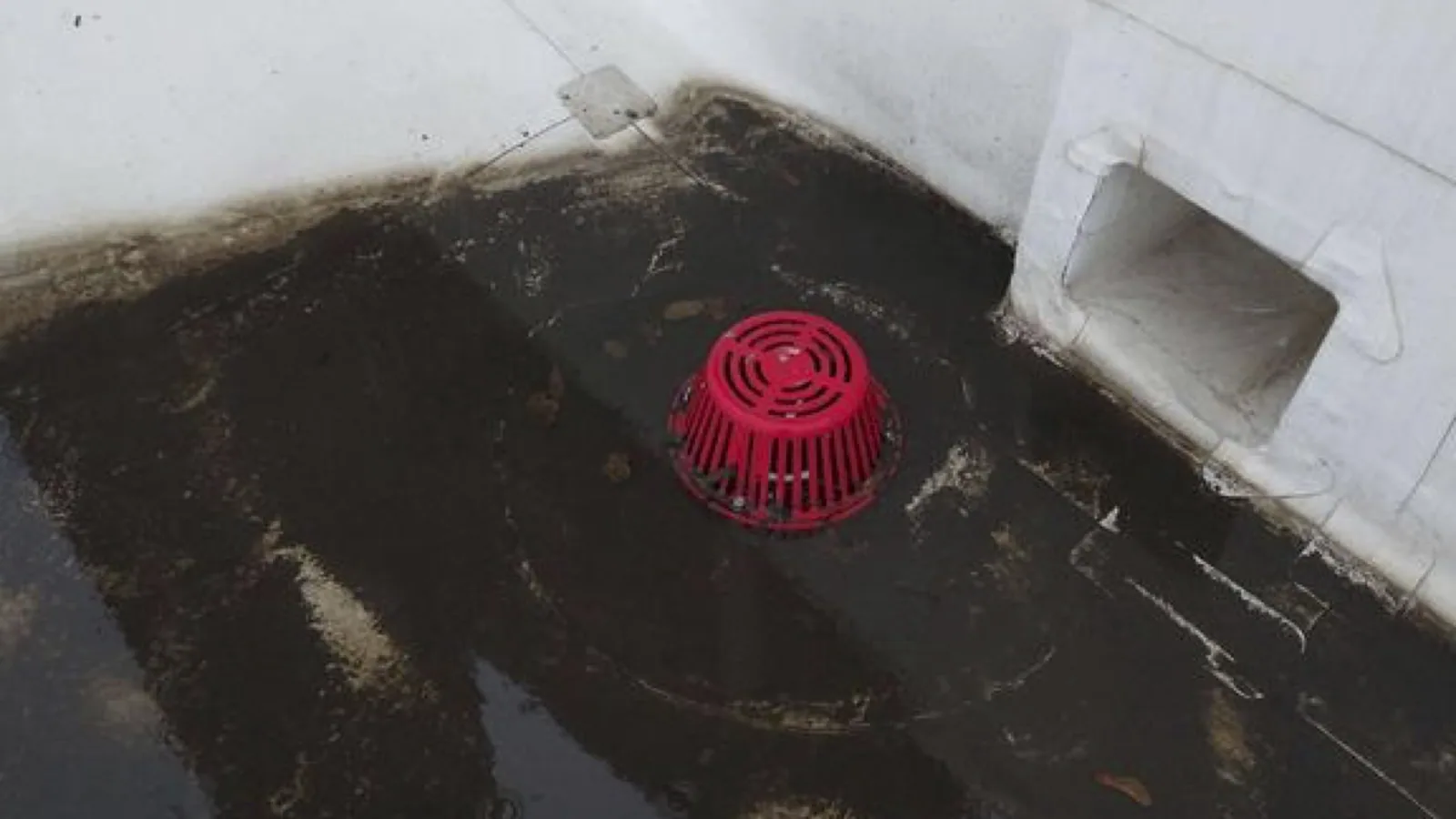
A walk pad worn down to its scrim beside a rooftop unit, a drain strainer half buried in grit, a parapet return with a hairline gap at the corner: these are the entries that fill an inspection log on a maintained roof, and each one costs little to fix in the month it is written down. Commercial Roofing Staten Island runs preventive maintenance programs for facility directors on the island who would rather find small problems in a log than large ones through a ceiling tile.
The program is a schedule, a set of photographs and a short ranked list of items, delivered twice a year and after any storm that earns a second look.
What the log holds
The inspection log is the heart of a maintenance program, and it is deliberately plain. Each visit adds a dated entry for every drain, curb, penetration, seam run and edge detail on the roof, with a photograph, a condition note and a decision: leave, watch or fix. After a year, the log shows which parts of a roof change quickly and which sit still, and that pattern is more useful for budgeting than any age estimate printed on a warranty.
Owners use the log in three ways. It supports an insurance claim by showing the roof was kept up, it gives a lender or a buyer a record of care, and it helps a board justify a capital request with dated evidence rather than a general worry about the roof.
The spring visit
Spring comes first because winter leaves its marks and the wettest season is about to begin: New York City takes in roughly 49.5 inches of precipitation in an average year, and spring brings the most of it. We start at the drains, because a strainer packed with winter debris decides how every other defect behaves, and we clear it, photograph it and log what came out.
Then we walk the field for ponded seams, lifted laps and soft spots under foot, check each curb and boot for cracked sealant, and look at the parapet returns where freeze and thaw works the mortar. Small items such as resealing a boot or replacing a missing fastener are done on the spot. Larger items go to the ranked list with a price range attached.
The fall visit
The fall visit is about getting a roof ready for leaves, ice and wind. Drains are cleared again, walk pads checked for wear where mechanical crews have crossed the same path all summer, and edge metal tested by hand for movement. Sandy's highest water line, 7.9 feet above ground, was measured in Oakwood on the South Shore in 2012, so drain bodies and roof edges that face the water get particular attention.
Fall is also when we review the year's log with the facility director. Items that were watched in spring are either closed out or promoted to repairs while the weather still allows adhesives and welds to cure, and the winter list is kept short. Drain and scupper work is the most common item to move forward.
After a storm
A storm visit is shorter than a seasonal one and sharper in focus. After a nor'easter, a hard thunderstorm or a heavy snow, we walk the roof for lifted edges, displaced flashing, punctures from blown debris and ponds that stayed longer than they should. Ida on September 1 and 2, 2021 triggered the first flash flood emergency that the weather service has ever called for the city, and after a downpour like that the visit starts with the drains that could not keep up.
We log what we find with dated photographs. If the damage is large enough to matter, the same record supports a claim, and our storm damage repair crew can start from a documented baseline instead of a guess.
Snow, ice and the January test
The city sees 29.8 inches of snow in an average year, and the 27.3 inches that fell on January 23, 2016 show how quickly weight and meltwater arrive together. Maintenance in winter is mostly about keeping drains and scuppers clear enough to carry meltwater, and about noting where ice forms at edges and gutters. We do not shovel roofs as a routine service, but we do help owners decide when snow load or ice at a drain needs attention.
The log from the fall visit gives the winter plan its shape. A roof with a known ponded seam near a drain gets watched after thaw, and a roof with fresh sealant at its curbs gets left alone. That is the whole point of keeping records: the next decision is made from facts, not memory.
Records also settle disagreements. When a tenant says a leak started last week and the log shows a ponded seam at the same drain in April, the owner and the tenant start from the same photograph, and the conversation moves quickly to who fixes what.
Access, scheduling and who comes
Maintenance visits are scheduled around the building. A warehouse on the West Shore may want an early weekday morning, a retail center on Richmond Avenue needs the roof clear before the lunch rush, and a school wants the summer. We confirm roof access, hatch location and any safety requirements before the first visit and keep a standing contact for each site.
Programs that cover several buildings, whether a cluster of warehouse roofs near the Goethals Bridge or retail roofs along Hylan Boulevard, share one calendar and one report format, so a director with six roofs sees six entries side by side. Our multi-site roof programs follow that structure, and warehouse roofs in Bloomfield and Travis can be grouped the same way.
What it costs and what it saves
A maintenance program costs a fraction of a major repair, and its price follows the roof: the number of drains, the count of penetrations, the length of seam and the effort needed to reach the roof. We quote a fixed price for the two seasonal visits and list small repairs separately, so the director sees exactly what each visit includes. Roofs with a lot of equipment cost more to walk than clear decks, and roofs that need a lift or a ladder truck to reach carry an access line of their own.
What it saves is harder to see and larger. Clearing a drain costs a morning, while a ponded seam that has sat wet through a winter can cost an insulation board and a section of membrane. Catching a lifted edge metal run before a gust takes it is cheaper than replacing it after. A program also keeps a record the owner can use when it is time to plan a replacement.
Related Roofing Work
More roofing work that comes up alongside Preventive Roof Maintenance.
Commercial Roofing Questions
How often should maintenance visits happen?
Twice a year on a schedule, spring and fall, plus a short visit after any storm that moves things on the roof. Roofs with heavy equipment traffic or lots of debris benefit from a third visit in summer.
Does maintenance keep a warranty valid?
Many manufacturer warranties expect documented upkeep, and the log is that documentation. Check the warranty terms for its exact requirements and send us a copy so we can match the visit checklist to it.
What if the roof is already leaking?
Fix the leak first, then enroll the roof. We trace the entry, make the repair and start the log from that point, so the first entry is a known condition.
Do you repair small items during a visit?
Yes. Resealing boots, replacing fasteners and clearing drains happen on the spot. Larger repairs get a written price and wait for your approval.
Can maintenance extend the life of an old roof?
It can slow the decline of a roof with dry insulation and a sound membrane, and it shows when the roof has reached the point where replacement is cheaper. The log makes that point visible.