
Commercial Roofing in Port Richmond, Staten Island, NY
Commercial roof repair, restoration and replacement in the Port Richmond district of Staten Island, NY: older storefronts and working waterfront buildings.
Storefront roofs on Port Richmond Avenue and the waterfront buildings along Richmond Terrace are two different jobs in the same district of Staten Island, NY, and a facility director who owns one rarely has the other. The avenue was once a bustling commercial center and small businesses have revived it since the late 20th century. Along the terrace, which faces the Kill Van Kull, 19th-century buildings stand beside working waterfront uses. Commercial Roofing Staten Island inspects, repairs and replaces the commercial roofs on both. The first thing written on a walk is the condition of the oldest layer under the newest one, since a roof on a building that has changed use can hold several generations of repairs.
The avenue and its storefronts
A commercial avenue revived by small businesses means many small owners, each with a roof and each with a different budget. The roofs are often small and cut up by hatches, vents and equipment added by successive tenants. Leaks tend to start where a tenant's work crossed the roof: an exhaust fan curb, a new vent through the membrane, a sign bracket fastened through the sheet.
The Ritz Theater, open since 1924 at Port Richmond and Anderson avenues, now sells tile, one of the older commercial buildings in the district to take on a new use. When a building changes use, its mechanical equipment changes, and so do its roof loads, penetrations and drainage demands. A new tenant's rooftop unit is a more likely leak source than the membrane itself.
Small roofs have their own economy. A repair that would be minor on a warehouse can be a large share of a storefront owner's yearly budget, so we separate the findings into the leak that is coming in today and the item that can wait for next season, and we price them apart. The first dollars go to the entry point, and the rest goes on the ranked list.
Richmond Terrace and the working waterfront
In the past Port Richmond's stretch of the Kill Van Kull was a ferry and freight hub lined with lumber and coal yards and oil plants. Richmond Terrace still faces that channel, and a roof there has the open water on one side. Exposure to wind is the first question a roofer asks about the terrace.
Edges are the first concern. Coping and edge metal that has loosened lets the wind get under the sheet, and a corner that lifts in one storm can run across a section in the next. We check each perimeter fastener row and each seam within a few feet of the edge, and we reset metal before we touch the field. The edge metal and coping work comes first on any exposed roof.
What the inspector sees on an older roof
On an older building, the roof deck, the parapet and the interior ceiling can tell a story in layers. A stain on a ceiling is the visible end of a long run of water, and the bubbling paint around it shows how long the problem has been present. We trace the water upward along joists and deck seams, because the entry point is rarely above the stain.
On the roof, the walk covers parapet condition, the state of counterflashing and the height of the flashing against the wall. Old flashings often sit lower than current practice would put them, and a parapet that has settled can leave the base of the wall below the water line of a ponded area. We measure and log it. Our flashing failure repair brings the detail back to a height that sheds water.
Storm and winter checks
A shoreline roof is checked for wind-lifted edges and drain backups before anything else, using Sandy's 80 mph gusts of October 2012 as the benchmark, and after a storm the inspection looks for lifted coping, displaced fasteners and a strainer packed with debris. Winter is slower. City snow runs to 29.8 inches in an average year, and the record 27.3 inches on January 23, 2016 loaded roofs and buried drains in one afternoon. Ida's flash flood emergency in September 2021 added a heavy-rain test, and together they make drains and ponding the two findings every older flat roof is checked for.
Repair, restore or replace
The options follow the moisture scan and the core. A roof with isolated damage gets a repair in matching material. A dry membrane worn by weather can take a coating restoration. When insulation is wet or the layers no longer bond, the roof needs replacement, and on an older building the tear-off often reveals deck repairs that go into the price as their own lines.
Cost follows details more than area: parapet length, penetrations, the work needed on the wall behind the flashing, and how the crew reaches the roof. A single stair and a small roof may mean hoisting from the street. Owners with several small buildings can phase the work, repairing the worst first and logging the rest for later.
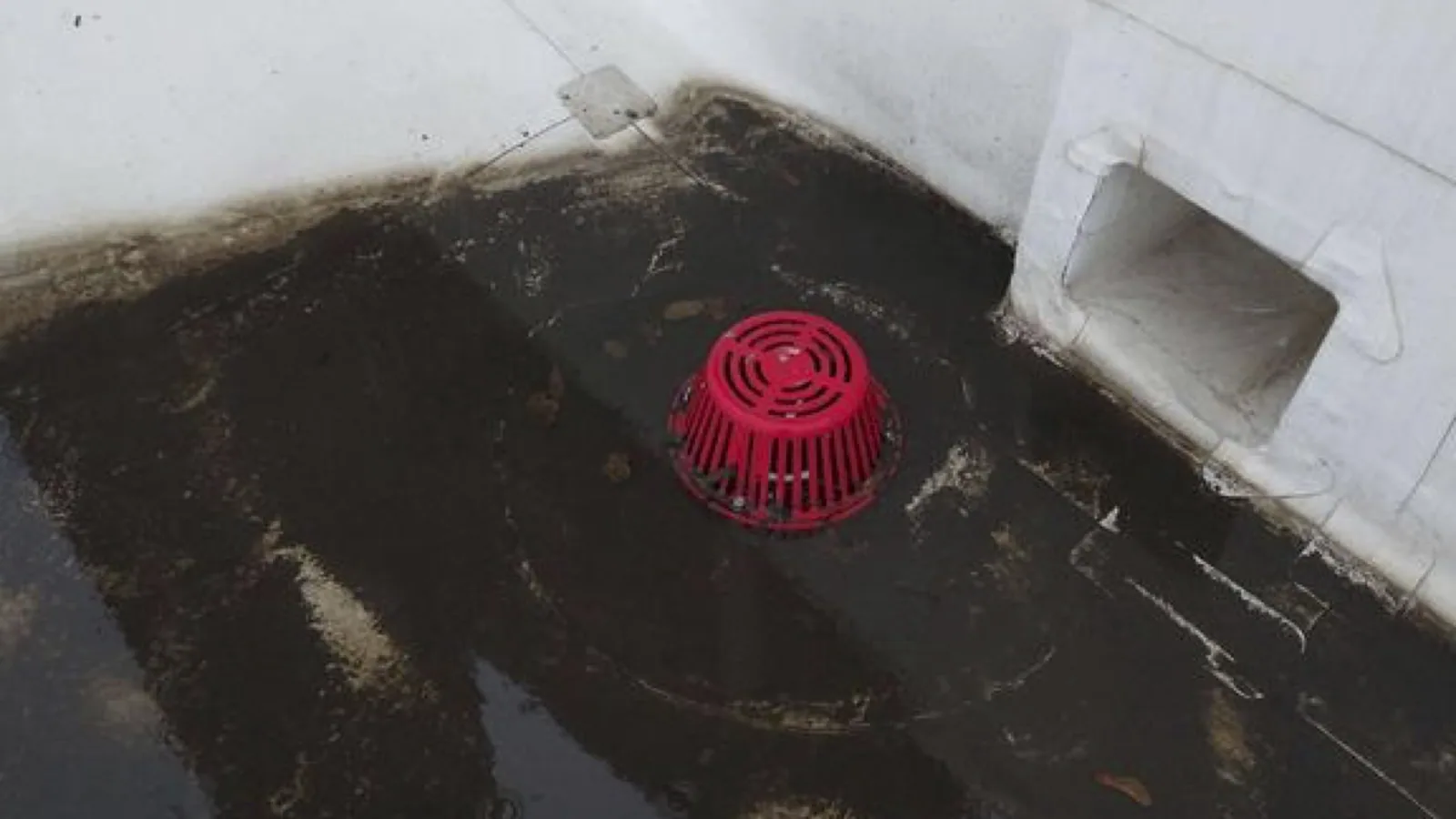
Where a flat roof drains to a single scupper or a rear leader, the drain is the roof's whole defense against rain, and we treat it that way. The drain and scupper check covers the strainer, the outlet, the overflow route and the slope toward them, since a pond near one of these is the first sign that the deck has settled.
Access, tenants and the calendar
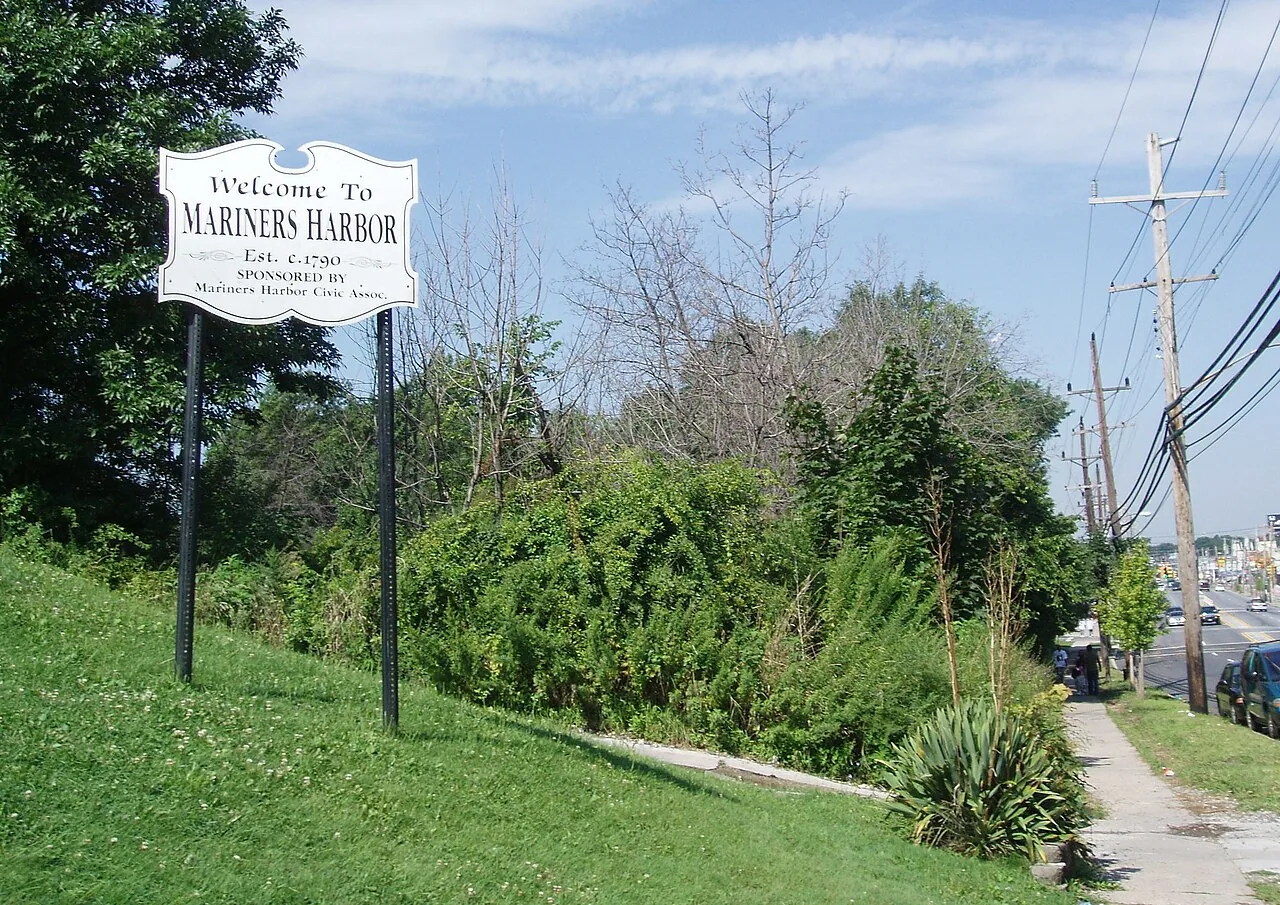
Storefront tenants open early, and customers use the same sidewalk the crew needs for a hoist. We schedule loud work before opening or after closing, keep a clear path to each door and tell tenants a day ahead. Neighboring work in Mariners Harbor and West New Brighton shares the same Richmond Terrace waterfront, and owners with buildings in more than one of these districts can keep a single log.
What goes in the log
The log that closes each walk carries a zoned roof plan, photographs, core cut results and a repair list ranked can wait, fix this season or fix now. A manager who has the log can plan a repair, brief an owner or send the findings to an insurer. The restaurant roofing notes work the same way for an eatery with a grease-stained roof.
Related Roofing Work
More roofing work that comes up alongside Port Richmond.
Commercial Roofing Questions
A tenant added equipment last year and now the roof leaks. Whose problem is it?
The lease answers that, and our report names the entry point and the date range of the equipment work where records exist. We repair the penetration and flag it in the log either way.
How do you read the roof of a building that has changed use?
We start with the equipment and the penetrations, since those change with the tenant. Then we core the roof to count layers, check the drains against the current load and list the findings.
Does wind off the Kill Van Kull change how an edge is repaired?
It changes the order and the fastening. Edge metal gets reset first with closer fasteners, because a lifted edge in one storm is a missing section in the next.
Can a small storefront roof be repaired in stages?
Yes. We rank the findings, fix the entry points first and log the rest with the reason they can wait. That keeps the first dollars on the leaks.
What if the ceiling below is already stained?
We trace the water upward, measure moisture in the deck and note the stain in the log with a photograph. The ceiling is repaired after the roof is dry.