Commercial Roofing in West New Brighton, Staten Island, NY
Commercial roof repair, inspection and replacement in West New Brighton, Staten Island, NY, from the Richmond Terrace shipyards to Castleton Avenue.
Shipyards and tugboat operations along Richmond Terrace, and civic and neighborhood buildings along Castleton Avenue, are the two sets of commercial roofs in West New Brighton, Staten Island, NY, and they could hardly ask more different things of a roofer. The waterfront wants edges that hold in a gale and surfaces that shrug off grit. The avenue wants quiet work scheduled around public hours.
The commercial roofs across the district get inspected, repaired and replaced by Commercial Roofing Staten Island. The neighborhood was first called Factoryville, and a working past tends to leave added equipment and altered roofs behind, so each walk begins by finding out which alterations are still holding water out.
Where the terrace meets the water
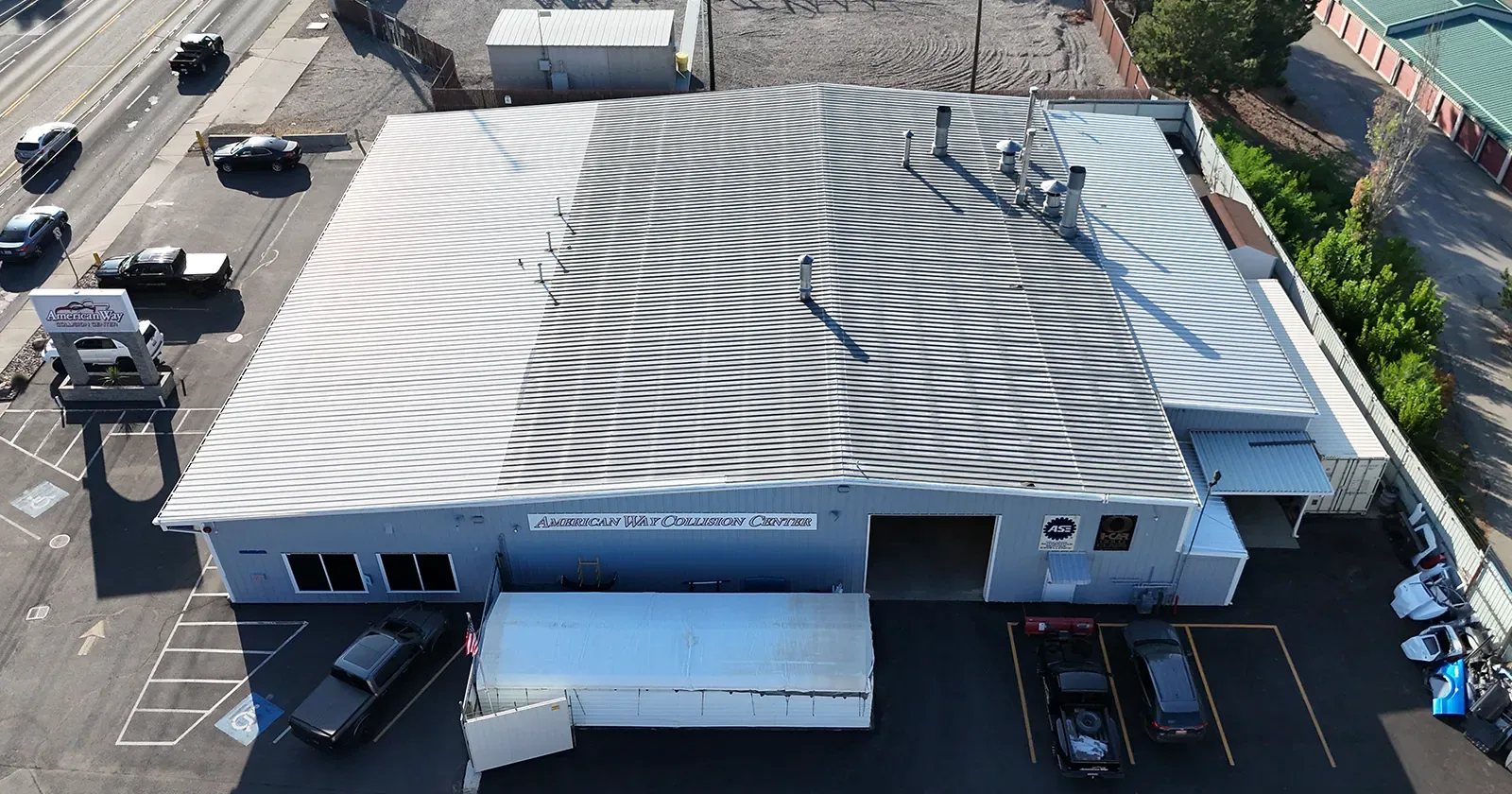
Richmond Terrace follows the Kill Van Kull through West New Brighton, and several shipyards and tugboat companies operate along it. For the roofs over such operations, the weather arrives off open water, and the work beneath them is noisy, hot or dusty. A shop roof over a repair bay sees more exhaust and more foot traffic than an office roof, and its surface shows it.
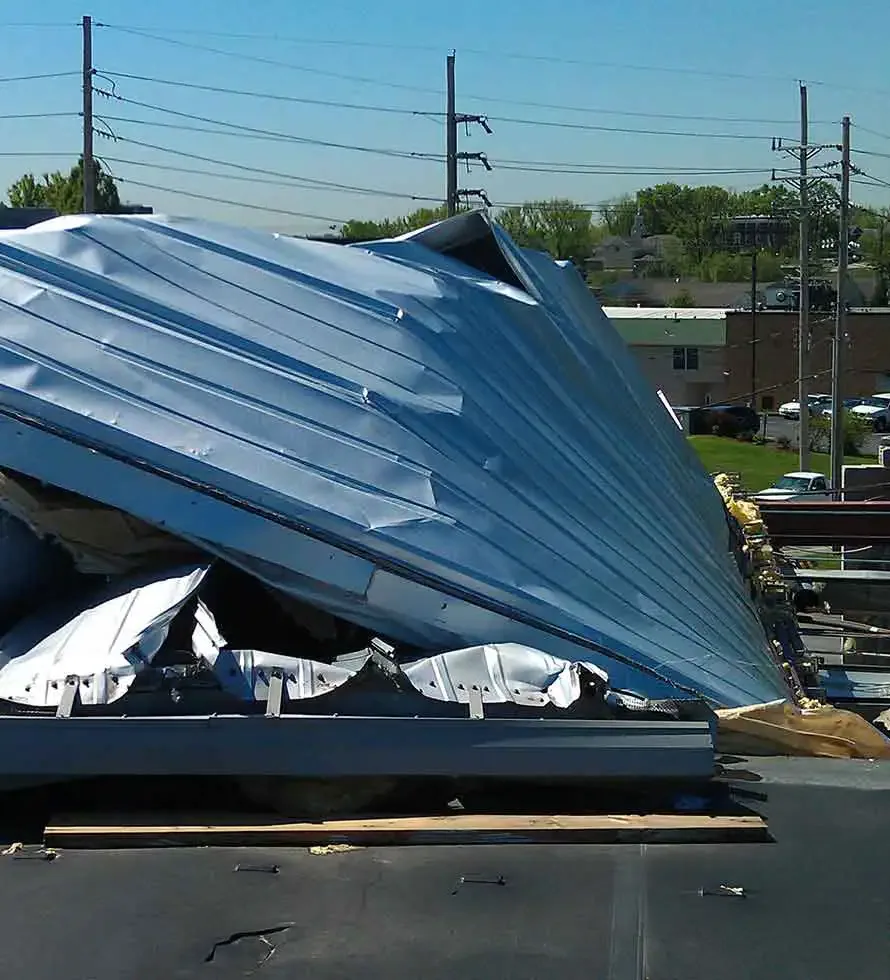
The material on any one of these roofs is a question for the core cut. The checks that fit a working waterfront roof are these. Metal panels get a fastener-by-fastener look for backed-out screws and dried sealant. Membranes get a probe along every seam and a close look at walk-pad wear along service routes. Edges get the longest look of all, since the channel gives wind a clear approach.
What the inspector sees on a shop roof
The usual first note is a discolored patch downwind of an exhaust stack, where fumes have softened or stained the surface. The second is a screw head standing proud of a metal panel, because the hole under it has worked wide and stopped sealing. The third is a drain strainer packed with grit blown up from the yard.
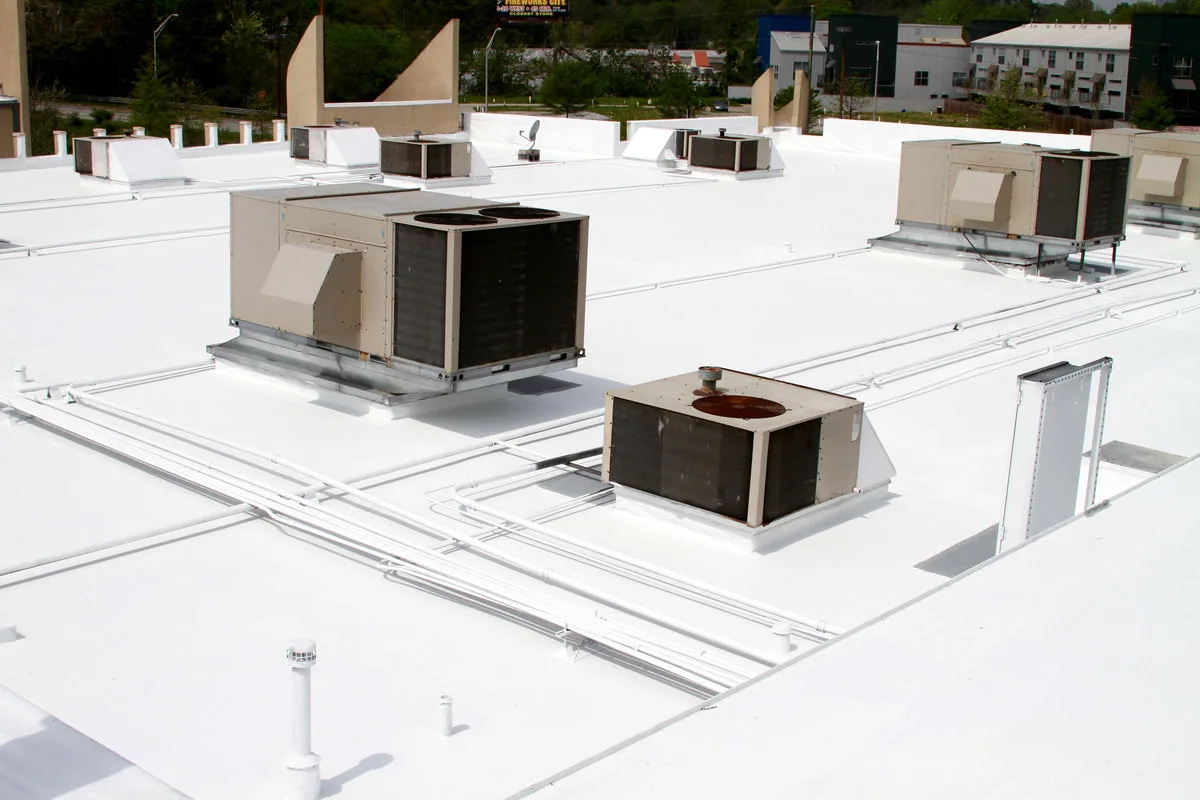
None of these is dramatic, and each is the start of a leak. Our metal roof retrofit options fit a shop roof whose panels are sound and whose fasteners are not, and a silicone roof coating can restore a dry, worn membrane without a tear-off. The scan and the core decide between them, and we put both in the proposal with prices.
Grit does slow damage of its own. Fine particles carried by wind settle on a membrane and act like sandpaper wherever a boot heel crosses them, and they collect at drains until the strainer is a mat. We sweep the service routes, set walk pads where none exist and photograph the strainers before and after, so the next walk can see whether the routine is holding.
Where a roof sees heat from process equipment, the sheet near the outlet ages first. A short exhaust extension or a deflector plate can move the plume off the membrane, and the cost is small beside a resurfaced roof.
Castleton Avenue and public hours
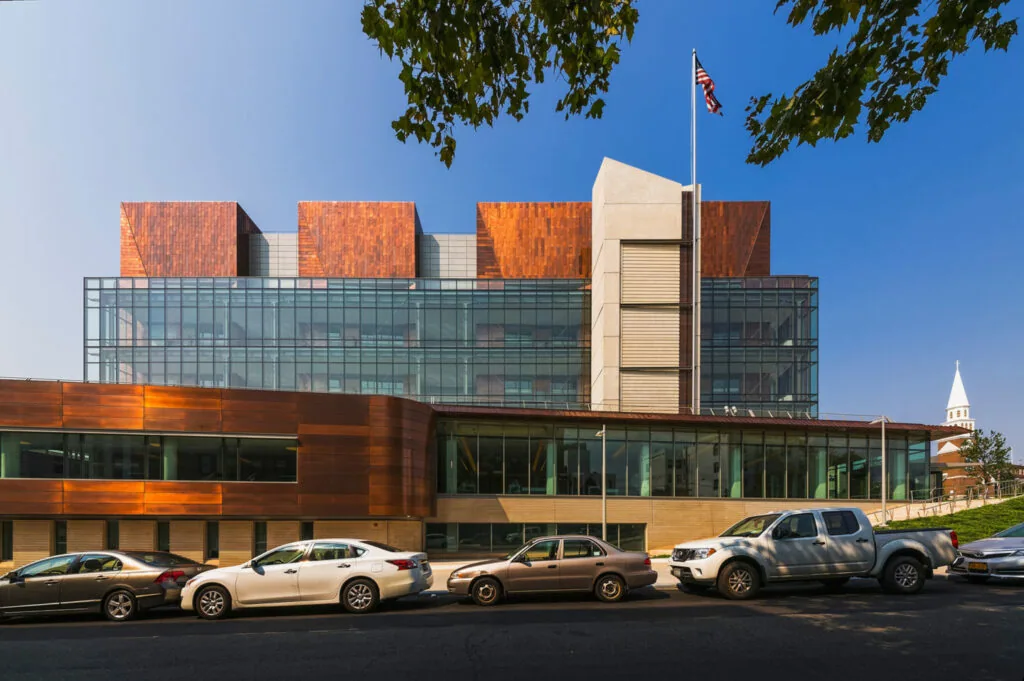
A public library branch and a postal station both stand on Castleton Avenue, which means the avenue has public-facing buildings. Roofs over places the public visits get a different schedule. Noisy steps move to early mornings, evenings or closed days, entrances stay clear, and a plan for rain protects the interior before the first panel or sheet comes off.
What either building has overhead is a question for the first walk. For a public building, the report doubles as a record that a trustee, a manager or an agency can use: photographs, locations, a ranked list and a note of what can wait. Our government building roofing notes follow that format.
Interior protection matters more than usual over a public counter or reading room. Drop cloths, temporary covers and a wet-vac stay at hand while a section is open, and a leak call during business hours gets a same-day dry-in before the permanent repair is scheduled. After the work, the closeout walk shows the manager each repaired detail so the building's staff know what changed.
Wind, flood and snow
Sandy reached the island on October 29, 2012 with gusts up to 80 mph and a 9.56-foot surge at the northern tip. The district sits on the Kill Van Kull, and shoreline roofs on the island are checked first for wind-lifted edges and drain backups. The lesson from that night is the order of the walk here: edges first, drains second.
Winter is a slower claim. Snow in New York city totals roughly 29.8 inches in a typical year and one January day in 2016 dropped 27.3 inches. Drifts bury scuppers, and meltwater refreezes at drains. A spring walk after the thaw catches the lifted lap before the wet season, and the wind damage repair routine covers the edge checks.
Repair, restore or replace
The options follow the findings. Local damage on a roof that is otherwise sound gets a repair in matching material. A worn but dry surface may take a restoration coating. Wet insulation over a wide area calls for replacement, and the proposal prices that against a recover so the owner sees both paths.
Cost follows details more than area: edge length, penetration count, deck condition and how a hoist reaches the roof. A shipyard with open yard space is simpler to stage than a building squeezed between neighbors, and we price access on its own line. Fall protection near roof edges and over open bays is part of the safety plan, and we state it in the proposal.
Owners who inherit a building with a mixed roof history, a new section beside an old one, get the simplest advice: treat the join as a detail of its own. We probe it, flash it and log it, because the line where one generation of roof meets the next is where water gets in first.
Scheduling around the yard
Working yards run to their own calendar of vessel movements, crane use and shifts. We agree a work window with the yard manager, keep lifts clear of moving equipment and cover any opening before we leave. Neighboring districts along the same waterfront, Port Richmond and Mariners Harbor, are planned the same way, and owners with property in more than one can use a single inspection log.
What goes in the log
The written log is built from a zoned roof plan, a photo of every finding, scan results and a list of repairs ranked by urgency, each rank with its reason in a line. An owner can use it to budget the year, and the next inspector can compare against it.
Related Roofing Work
More roofing work that comes up alongside West New Brighton.
Commercial Roofing Questions
What is checked first on a roof over a repair bay?
The exhaust path and the drains. Fumes mark the surface downwind of each stack, and grit from the yard packs the strainers.
Can a library or post office roof be worked on while the doors are open?
Quiet work can be, with entrances kept clear and the interior protected. Noisy steps move to early mornings, evenings or closed days agreed with the manager.
Do metal shop roofs need different inspections from flat membranes?
Yes. Fasteners, laps and sealant come first on metal, since a backed-out screw leaks before the panel fails. Membranes get seam probing and walk-pad checks.
What if the yard needs the roof back in service fast?
We phase the work in sections that dry in the same day, and we place temporary protection over any area that has to stay open overnight.
Which comes first after a storm, the edge or the drains?
The edge, then the drains. A lifted edge lets wind take a section in the next gust, while a blocked drain costs a ceiling stain over days.