
Planned Commercial Roof Repair in Staten Island, NY
Planned commercial roof repair in Staten Island, NY: membrane, flashing and seam fixes ranked by urgency, documented in a written inspection log with photos.
A lifted seam or a split flashing spotted from a ladder is where a repair conversation tends to start on the island, and it changes once an inspector reaches the roof and starts reading the surface. A single lifted seam often sits beside a drain strainer that has not been cleaned in a year, and the ponded water behind it has been working on the seam ever since. Commercial Roofing Staten Island repairs roofs in a planned order: find every defect, rank each one by what it will cost to wait, and fix the ones that matter before the next storm. That is different from chasing a leak and different from replacing a roof that still has years left in it.
The result is a roof that stays in service and a written record the facility director can use for budgeting.
The walk and the log
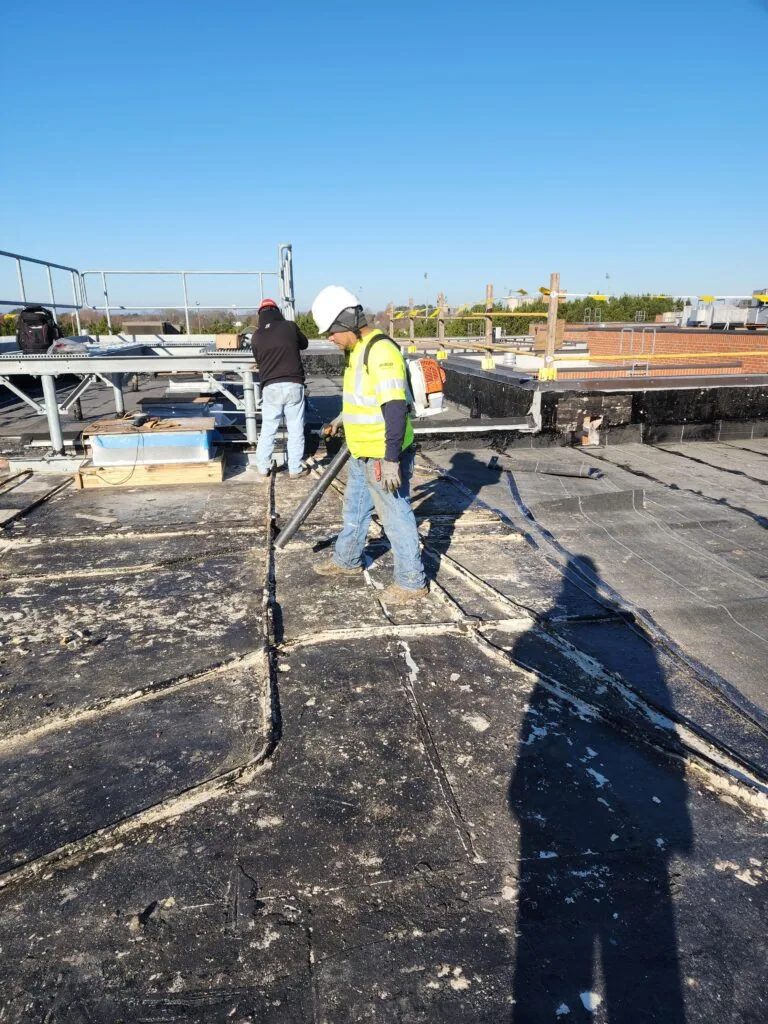
Every planned repair starts with a roof walk. We cover the field, the perimeter and every penetration, and we write down what we see: open seams, cracked sealant, wet insulation signaled by soft spots underfoot, damaged walk pads, and drains with debris or missing strainers. Each finding gets a photo and a mark on the roof plan. The log then ranks them in three groups, fix now, fix this season, and watch. That ranking is the difference between a repair budget that makes sense and a bill that arrives after the next rain.
For buildings along the Kill Van Kull, in Port Richmond and Mariners Harbor, we also check how the roof handles wind-driven rain, because those buildings sit open to the water without shelter.
Membrane and seam work
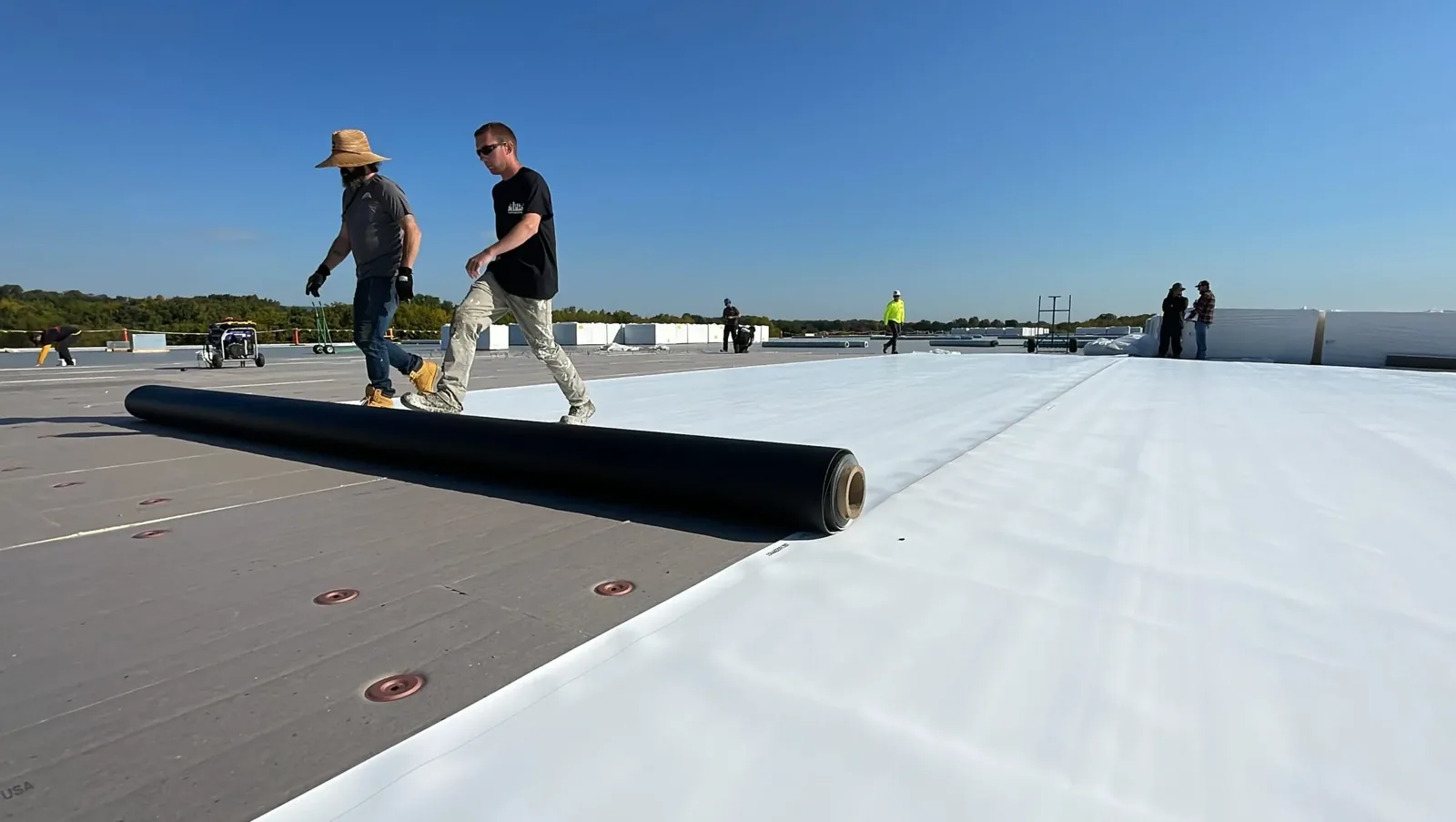
Membrane repair depends on what the membrane is. Single-ply roofs such as TPO, PVC and EPDM fail at seams, at flashings and at fastener lines, and each material has its own repair method: hot-air welding for thermoplastics, adhesive and tape for EPDM. We clean the area, test the weld by probe, and extend the repair beyond the visible damage so the edge of the patch sits on sound material. Modified bitumen and built-up roofs are repaired with compatible materials, with attention to the granule surface and the lap edges.
The repair has to match the roof it goes on. A patch of the wrong material may stick for a month and let go the next time the roof moves with temperature. We name the material and method in the log so the next person who works on the roof knows what was done and why.
Flashings, curbs and edges
Flashings take more abuse than the field of the roof. They sit at joints where two different materials move at different rates, and they carry water off walls and equipment. We reseal or replace failing base flashings, rebuild corners that have opened, and restore counterflashing at masonry walls. Edge metal and coping get checked for loose fasteners and open joints, since an open coping joint sends water straight into the wall. Sandy's surge devastated Midland Beach on October 29, 2012, so on South Shore roofs in Great Kills and Midland Beach the edge metal fastening is reviewed first. Perimeter work comes ahead of cosmetic repair in our ranking.
Drains, ponding and the repeat leak
A repeat leak often has a drainage cause. If water sits on a roof for more than a day or two after rain, the membrane near the pond ages faster, seams soften, and debris collects. We clear drains, replace strainers, and check the slope toward the outlets. Where a low area cannot drain, we discuss tapered insulation or an added drain. Ida's flash flood emergency in September 2021 showed how quickly a clogged scupper turns a normal storm into a flood on the roof. Opening and clearing every outlet is the least expensive repair on most roofs, and it prevents the most expensive failures.
Sealant is a stopgap, not a repair
Roof cement and caulk have a place, mostly as a temporary measure while the right materials and a dry day are arranged. Used as a permanent answer they fail quickly, because they cannot follow the movement of a membrane through winters that average about 30 inches of snow across New York City and summers with a July mean daily high near 85 degrees. A sealant bead over a cracked flashing hides the crack and traps water behind the bead. We replace the failed component instead, and where a sealant is the correct tool, such as at a pitch pocket or a termination bar, we use a product made for that joint and note the date in the log so it is checked on the next visit.
That date matters. Every sealed detail gets inspected on a schedule, because sealants age faster than membranes. A preventive maintenance visit catches small failures early, which is cheaper than finding them after the next leak. When an active leak is the reason for the call, our leak repair work traces the entry point before anything is sealed.
When repair stops making sense
Repair is the right tool for a roof with a sound core and local defects. It stops being the right tool when moisture has spread through the insulation or when defects multiply faster than they are fixed. We tell owners when that point arrives and prepare the alternatives. A recover may suit a roof with dry insulation and a tired surface, while a full replacement belongs on a roof that has lost its insulation to moisture. The log we build during repair becomes the evidence for that decision, with dates, photos and the cost of each fix.
Access, safety and tenants
Repairs go faster when access is arranged ahead. We need roof hatch keys or ladder access, any mechanical room restrictions, and the best hours to work above sensitive spaces. In occupied buildings such as medical offices and retail on Hylan Boulevard, we schedule noisy tasks away from peak hours and keep staging off pedestrian routes. Our crews carry fall protection and set up safety lines at open edges, and we cover and protect rooftop equipment before sealants or adhesives are used near it.
Related Roofing Work
More roofing work that comes up alongside Planned Commercial Roof Repair.

Commercial Roofing Questions
What does a planned repair cost compared with a leak call?
A planned repair is priced from a written scope after a roof walk, so each item has a line. A leak call fixes one location, and the next leak starts a new call. Planned work usually removes the cause of several leaks at once.
Can every defect be fixed in one visit?
Small seam, flashing and sealant work often can. Larger work, such as wet insulation replacement or drain changes, needs materials and a dry window, so those items are scheduled after the first visit.
How do you decide which fixes come first?
By what each defect costs if it waits through the next storm season. Open flashings, loose edge metal and blocked drains rank above cosmetic damage, since they let water into the building.
Will a repair affect my existing warranty?
It can, depending on who does the work and what materials are used. We read the warranty terms before we start and use compatible materials so the existing coverage is respected.
What records do I receive after the repair?
A written log with before and after photos, a roof plan marked with each repair, and a ranked list of items still on watch. Facility directors use it to plan next year's budget.