
KEE Roofing in Staten Island, NY
KEE PVC-alloy roofing for Staten Island industrial, marine and food roofs that face oils, fuels and chemicals. Request a written roof inspection.
A membrane that has swollen into soft ridges beside a fuel vent or a process stack is a finding an inspector circles twice, because the sheet is telling the owner it was asked to resist something it cannot. Most single-ply roofs shrug off rain and sun for years, but on a roof that takes oils, fats or solvents day after day the question is whether an ordinary sheet will last long enough to pay for itself.
Commercial Roofing Staten Island installs, repairs and replaces KEE roofing, a PVC-alloy membrane made for that kind of exposure, and we price it beside plain PVC so a facility director can see what the extra margin of chemical resistance costs.
What KEE is
KEE is a family of PVC-based membranes in which a ketone ethylene ester polymer is blended into the sheet to replace or supplement the plasticizer. Because the softener is bound into the material instead of free to migrate out, the sheet stays flexible for many years, and the seams are heat welded the way PVC seams are, giving a continuous membrane that resists oils, animal fats and many chemicals.
The price is higher than standard PVC and well above TPO or EPDM, so KEE does not belong on every roof. Its place is on roofs where the exposure never lets up and a failed sheet would cost more to replace in a few years than the better membrane costs today, and we put that comparison in numbers on the proposal.
Warranty terms for chemical exposure are the catch. Some membrane makers limit coverage when a roof sees fats or oils beyond a stated level, so the terms are read before the sheet is chosen and the exposure is written into the proposal in plain language. A warranty that excludes the exact exposure the roof faces protects nothing.
Where exposure shows
The damage clusters in four places. Around exhaust, where grease and condensate drip onto the sheet. Around drains and sumps, where contaminated water sits. Wherever an old coating or sealant touches the new sheet. And under rooftop equipment that leaks oil, refrigerant or wash water.
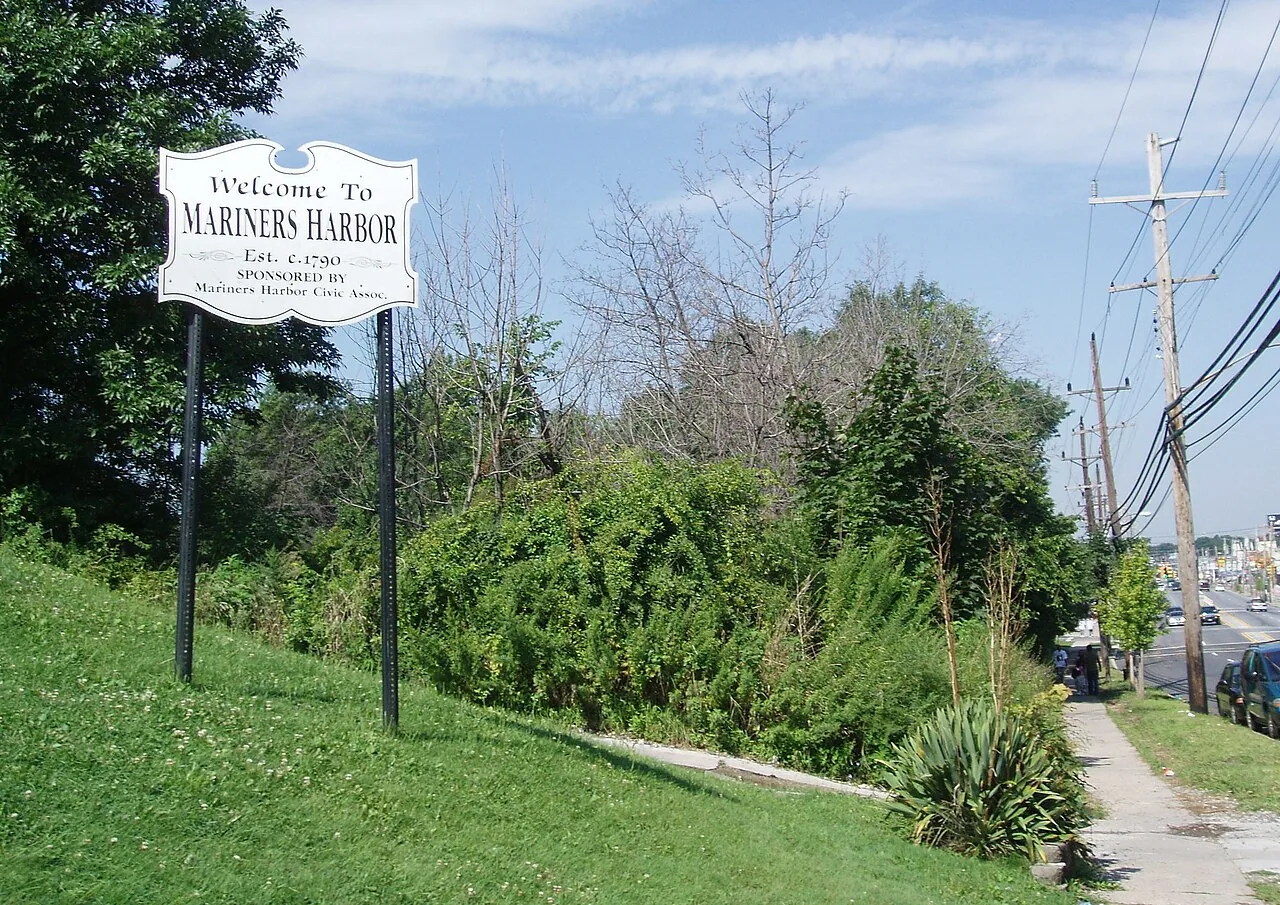
Marine and industrial districts are where an inspector goes looking for diesel residue, oil and chemical exposure. Tug, dredging and dry dock firms work the Kill Van Kull waterfront in Mariners Harbor alongside a cargo terminal, and Port Ivory's Procter & Gamble soap factory ran from 1907 until 1991. In Rossville, a marine scrapyard described as one of the largest on the East Coast has operated on Arthur Kill Road since 1964.
Different tenants in an industrial building put different things on the roof, and a roof that served a quiet use for years may now sit under a process nobody planned for. Whether KEE belongs in the estimate depends on what each stack and drain puts onto the sheet, not on the neighborhood.
What we check first
We start with the exposure, not the sheet. What does each stack emit? Where do wash-down and condensate go? What touches the membrane? What sits under it? A sample of the existing material, a look at the drain sumps and a conversation with the people who run the building give a clear picture before anyone names a product.
- Exhaust and wash-down zones, and what each puts on the roof.
- Drainage, since slow drains concentrate contaminants on the sheet.
- The substrate, because old asphalt or some foams can attack a new sheet.
- Traffic, where operators who service equipment daily need walk pads.
If the exposure is mild we say so and price PVC or TPO instead, since a sheet bought for a threat the roof does not face is wasted money.
A small cutout from the existing roof is tested for how it has aged, since swelling or stiffness shows what the exposure has been doing, and the photographs and measurements go into the inspection log with the date.
KEE against PVC and TPO
PVC resists most kitchen grease and light chemical exposure, and for a restaurant roof PVC roofing is usually enough. TPO handles a clean roof with no chemical load, and KEE earns its price when oils and fats are heavy and constant, as over rendering, large-scale commercial cooking or fuel handling, or when an earlier sheet failed young from exposure.
On a refrigerated building the extra question is vapor from a cold interior, so the insulation and vapor retarder matter as much as the sheet, and a poor vapor design will wet the insulation from below and the membrane will take the blame. A commercial roof replacement in KEE is the long answer, and a repair is the short one.
Prices follow the details. The number of stacks, curbs and drains sets the labor, and the substrate sets the separator and the insulation. A big simple roof over a clean tenant costs far less per square foot than a small roof crowded with exhaust, and we price the details one at a time. For the lighter end of the range, roof coating restoration can buy time on a sound sheet.
Working roofs in bad weather
Industrial roofs on the shore take weather without shelter. Sandy put a 9.56-foot surge at the northern tip in 2012 with gusts to 80 mph, and gusts like that lift edge metal on any big flat roof. We check perimeter attachment before anything else after a storm and clear the drains, because floodwater and wash-water both carry contaminants onto the sheet.
Meltwater carries road salt and oil into drains, and with New York City snow averaging about 29.8 inches a year, a roof that handles oils well in July still needs open strainers in February.
Drains deserve the repeated mention. Contaminated runoff concentrates at a slow drain, so strainers and sumps are cleaned on a calendar and the cleaning date goes in the log.
Working around live operations
Marine and industrial buildings do not close for roofing. We schedule hoisting and staging away from dock and yard activity, cover air intakes while seams are welded and keep roof traffic off any area over a handling zone. On a big roof, the work is divided into sections so only one is open at a time.
For a building around Mariners Harbor or Port Ivory, the roof plan and a list of what each stack puts out start the process, and a short commercial roof inspection returns with photographs and a recommendation on which sheet fits.
Safety follows the building's rules. Hot work stays out of any area near fuel or product, fall protection is set at every open edge, and crews wear clean boots on the finished sheet so grease is not tracked across it from the exhaust zone.
Related Roofing Work
More roofing work that comes up alongside KEE Roofing.
Commercial Roofing Questions
How do I know whether I need KEE rather than PVC?
Look at what lands on the sheet and how often. Occasional grease from a restaurant fan is a PVC job, and constant fats, oils or chemicals point to KEE. We walk the exhaust areas and tell you.
Does KEE cost much more than PVC?
More per square foot, since the polymer is a premium material. The comparison that matters is the price of replacing a failed sheet against the added price of the better one.
Can KEE go over an existing roof?
It can, provided the insulation under the old sheet is dry and a separator keeps old asphalt or incompatible foam from touching the new one. The moisture scan is the first step.
What happens when grease gets on KEE?
It resists the damage, though cleaning still helps. Routine washing of drain areas keeps buildup from clogging drains.
How are KEE seams repaired?
The same way as PVC, cleaned and welded with hot air. Contaminated sheet will not weld, so the area is washed and tested first.