Roofing for Real Estate Investors and REITs in Staten Island, NY
Roofing for real estate investors and REITs in Staten Island, NY: due diligence surveys, remaining-life ranges, reserve schedules and lender-ready roof logs.
A purchase contract with a ten-day inspection window, a lender's roof letter due before closing, a pro forma that carries one line for capital expenses across forty buildings: the inspector's first notes for an investor are about timing and numbers, and the roof is the largest single number in most industrial and retail underwriting. Commercial Roofing Staten Island works with owners, investors and REITs who hold or are considering commercial property on the island, and our reports are written to be dropped into an underwriting file.
An investor wants to know what the roof is worth, what it will cost and when. We answer those three questions with photographs and cores.
Roof diligence on a deal clock
Acquisition windows are short. We walk the roofs, scan for moisture, cut cores where scans suggest trouble and return a ranked report in days. Each roof gets a condition rating, an estimate of remaining service life, a list of immediate repairs and a replacement budget with a range. A summary page rolls up the portfolio so an investment committee can read it in a few minutes.
The same work supports a price conversation. If cores show wet insulation across a quarter of a roof, the report gives the repair cost and the investor can ask for a credit or a repair before closing. If the roof is sound, the report shows that too, and the capital line drops. Due diligence roof surveys are the format for both outcomes.
Asset types on the island
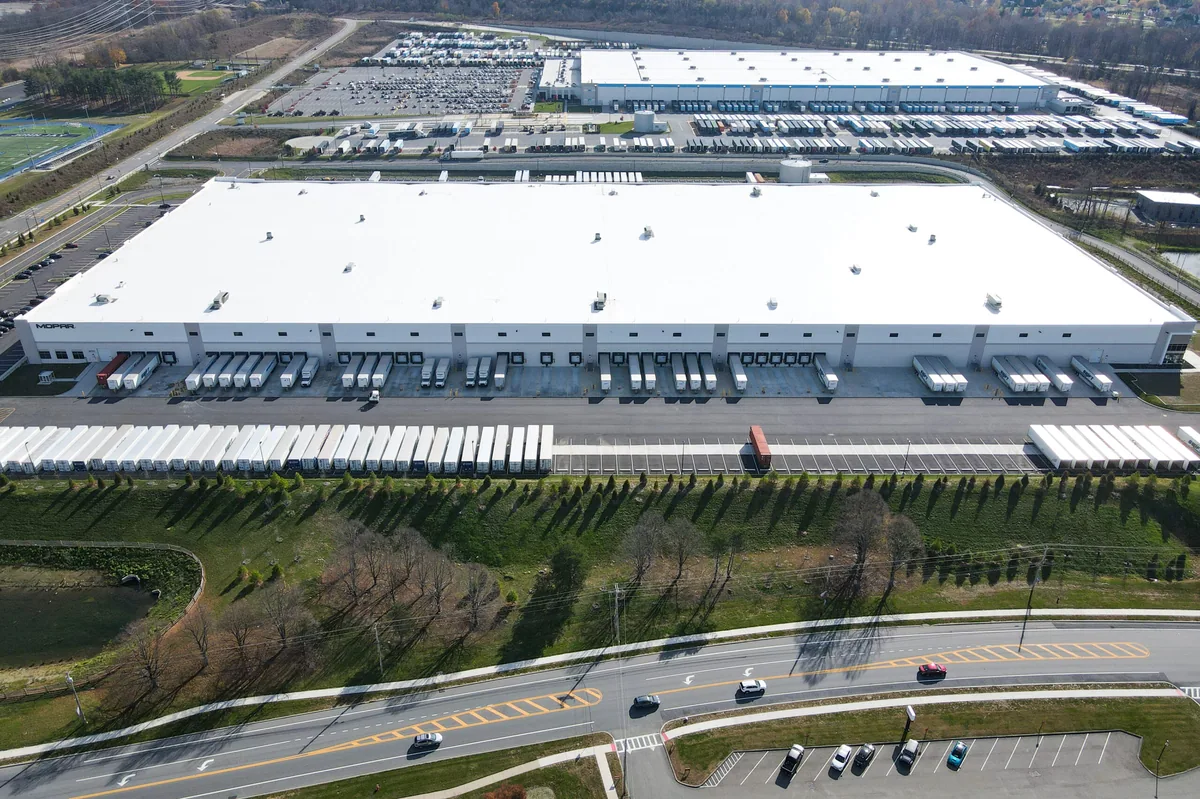
Investors on Staten Island hold a spread of property. One type is retail, strung along Hylan Boulevard, where the centers around New Dorp trace back to the 1960s, five of them with supermarket and department-store tenants. Another is industrial and logistics space on the West Shore, the part of the island that carries most of its industry. A third is newer residential and mixed-use development, such as the 900-apartment Urby complex that opened in Stapleton in 2016 on the old homeport site.
Each type has its own roof pattern. Retail decks carry many curbs and tenant penetrations. Industrial decks are wide with few drains. Mixed-use buildings combine residential terraces and retail roofs. The report reads each asset on its own terms, and the investor sees the pattern across the portfolio.
Remaining life, reserves and the capital line
A roof's age is a poor guide to its remaining life, and underwriters know it. A fifteen-year-old roof with dry insulation and sound seams may have a decade left, while an eight-year-old roof with a ponded seam and wet board may have none. Cores and scans give a better number than a date on a warranty.
We express remaining life as a range with reasons, and we convert it into a reserve schedule: how much to set aside each year per roof so replacement does not hit one quarter's cash flow. Roof capital planning lays the schedule across the hold period, with the sale year in view. A buyer will look at the same roofs, so the log that supports the reserve also supports the exit.
Value-add and tenant improvement work
Value-add plans often involve rooftop work. A new tenant's rooftop unit, a solar array, a cool roof for lower energy bills, a recover before a refinance: each touches the roof, and each should be sequenced with the roof's condition. Adding units to a roof with a short remaining life invites a tear-up later.
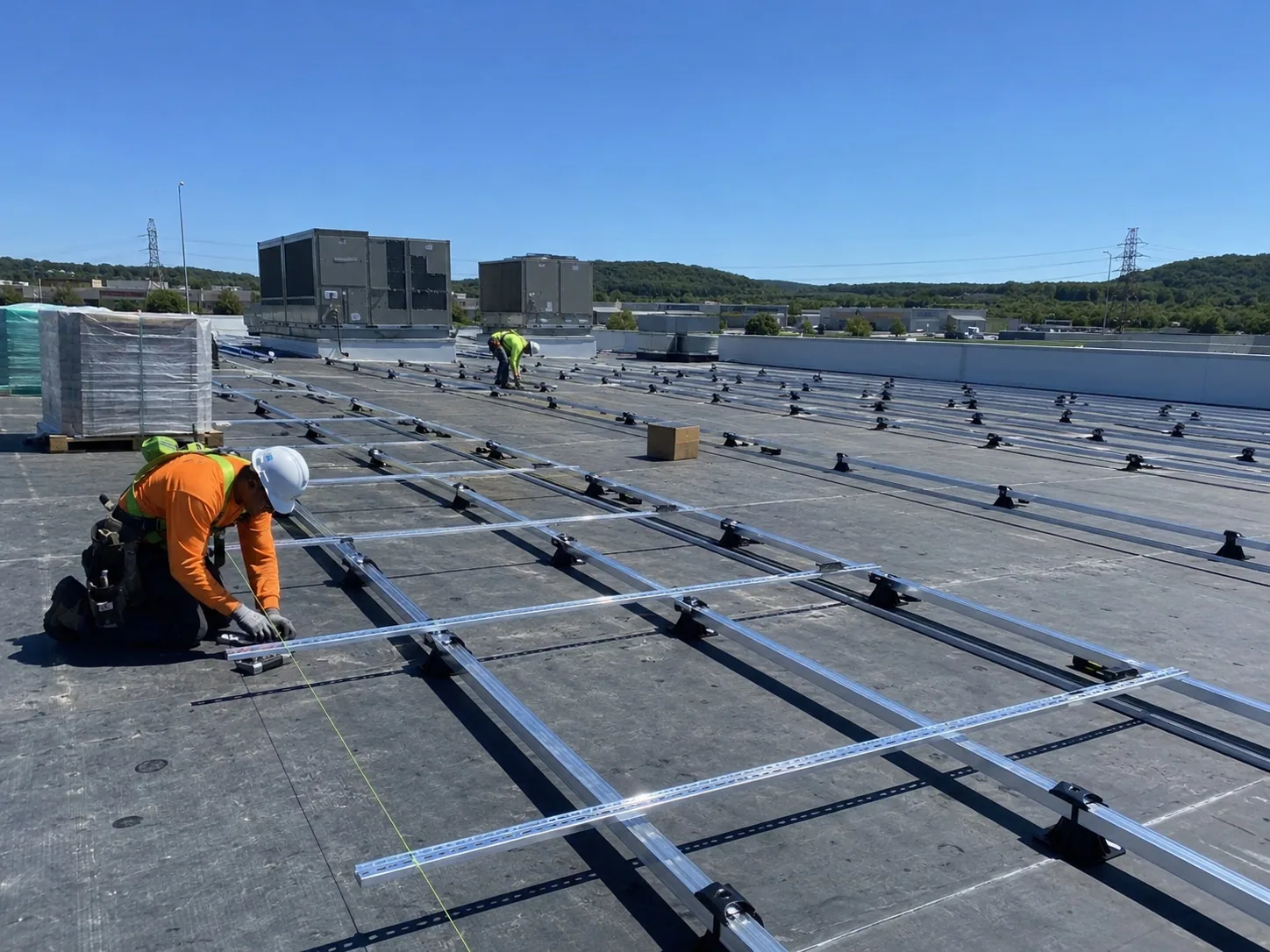
We review the capital plan with the investor and flag where a roof upgrade should come first. Solar-ready roofing and cool roof installation can be done with a recover so the work happens once. Tenant improvement budgets that include roof penetrations get a flashing detail and a walk-pad plan before the unit is set.
One standard across a portfolio
Investors who own many buildings gain from a common roof standard. Each building is rated on the same scale, repairs are written in the same format and prices are quoted per unit of work, so an asset manager can compare a retail roof in New Dorp with a distribution roof in Bloomfield without translating between reports.
A common standard also exposes outliers. A building whose roof costs twice as much to maintain as its siblings is either older, worse built or poorly drained, and the log shows which. Decisions about which roofs to repair, recoat or replace follow from the comparison. Where an investor owns a mix of single-ply, modified bitumen and metal roofs, the report notes each system's typical failure points so the asset manager knows what to expect from each. The goal is fewer surprises in the quarterly budget and a clean answer when a buyer asks for roof records.
Lenders, insurers and the roof letter
Lenders and insurers ask for roof information more often than they used to, especially on older assets and after wind events. A report with photographs, scan results, cores and a ranked repair list answers most of their questions. For loans with a roof reserve, the document supports the reserve amount and the release schedule.
After a storm, the same record supports claims. Claims follow storms, and a baseline log taken before one, whether another Sandy with its 80 mph gusts or another Ida-scale downpour, lets an owner show what changed instead of arguing about it.
Operating the roofs across a hold period
A roof program for an investor is a calendar. Spring and fall walks clear drains and check curbs, post-storm walks look for edge and flashing damage, and an annual summary updates the capital schedule. With 29.8 inches of snow in an average New York City year and 27.3 inches on January 23, 2016, winter checks matter for drains and ponding.
Each building is priced separately so asset managers can compare and approve quickly, and the drivers are named: roof area, wet insulation, curb count, access and the system chosen. A thin margin between a repair and a replacement is flagged, since a recover that costs nearly as much as a new roof should not be chosen on price alone. A named contact answers questions, and each visit ends with an updated entry. Property managers who run the buildings day to day receive the same log, so the asset manager and the property manager work from one record.
Related Roofing Work
More roofing work that comes up alongside Real Estate Investors and REITs.


Commercial Roofing Questions
How fast can you turn a due diligence report?
Days, not weeks, once access is arranged. A larger portfolio takes longer for the scans and cores, and we agree on a delivery date before we begin. Send the access contacts and the roof plans on day one, and tell us which buildings carry the most weight in the deal, so those are walked first and the committee has the numbers that matter early.
Can you give a remaining-life number?
We give a range with reasons based on cores, scans and the condition of seams and flashing. It is an estimate, and the report shows the evidence.
Should we replace a roof before a sale?
Sometimes a repair and a documented log costs less than a replacement and gives a buyer the same information. The report prices both so the owner can compare, with the cores and photographs that support each number.
What helps a lender with a roof reserve?
Photographs, scan results and a ranked list with prices. The reserve amount follows the capital schedule.
Do you work across several buildings at once?
Yes. One calendar, one report format and a summary page for the investment committee.