
Solar-Ready Roofing in Staten Island, NY
Prepare Staten Island flat roofs for solar arrays or repair the roof beneath panels already installed: moisture scans, mounts, drains and wind loads.
Ballast blocks shifted a foot from where the rack drawings put them, with a fresh scuff on the membrane beneath, is the entry an inspector makes on a roof that has carried panels through a winter and a nor'easter or two. The array looked fine from the lot, and the sheet underneath tells a different story, which is why a roof that is about to receive panels gets walked before the racking is ordered rather than after the first leak.
Commercial Roofing Staten Island prepares low-slope roofs for solar, flashes the mounts, and repairs or replaces roofs that already carry arrays, and the recommendation always begins with the age and moisture of what sits under the racking.
The roof under the array
Panels stay on a roof for as long as the lease or the loan runs, and the membrane has to outlast that term or the array comes off for a reroof, which means disconnecting, lifting, storing and resetting every row before a roofer can touch the sheet. A roof with only a few good years left should be replaced before racking goes on, and a newer roof with a clean moisture scan can take panels as it stands.
Wet insulation under a future array is the costliest hidden item in this trade, because it stays hidden until a stain shows in a ceiling and by then the panels sit on top of the leak. We scan, cut a few cores and map the wet zones before a single mount is placed.
Ballast, attachments and scuffing
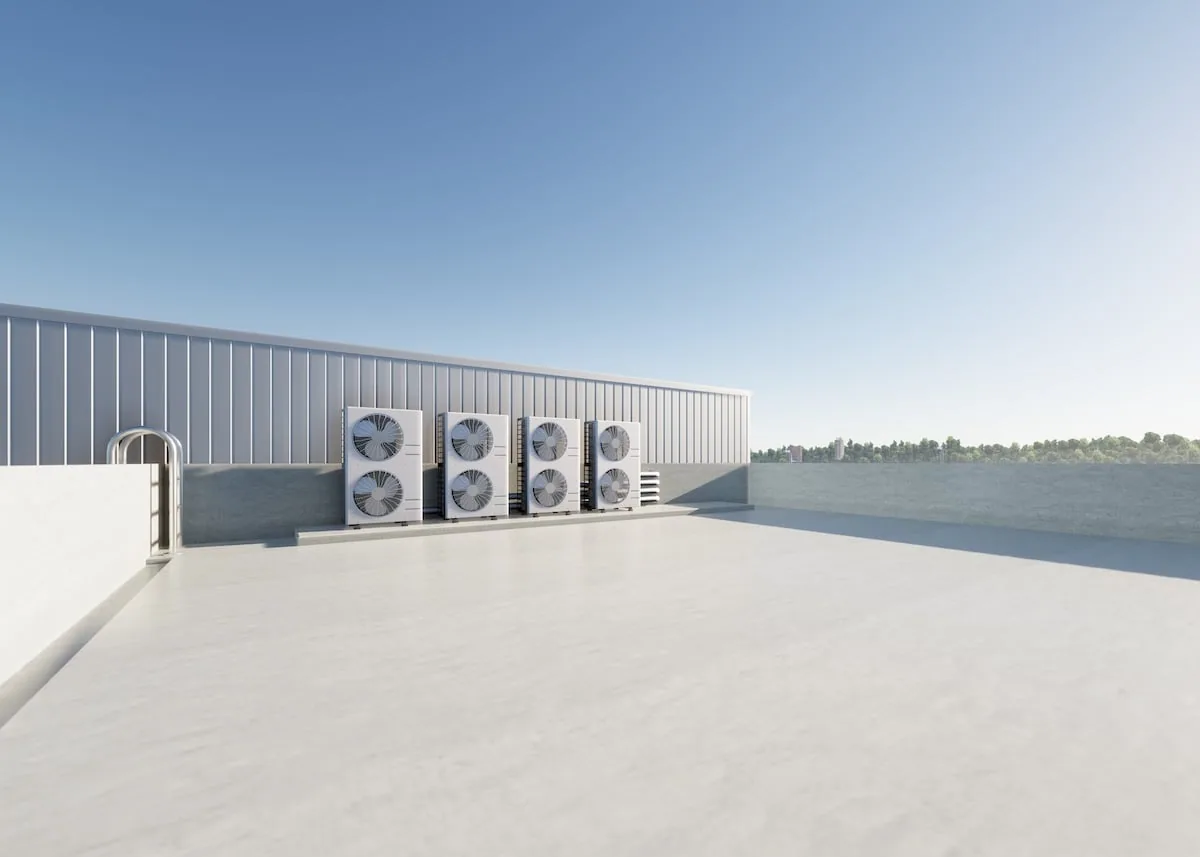
Racking is held down one of two ways. A ballasted array uses weight, usually concrete blocks, and avoids holes but adds load the structure has to carry. An attached array is fastened through the roof to the deck, and every attachment is a penetration that needs a flashing the roofer can stand behind.
The choice depends on the deck and the membrane, and a structural engineer sets the load. Our part is the surface: protection pads under the rack feet, walkway protection along the service lanes and conduit lifted on supports instead of lying on the sheet, because a rack foot with no pad grinds through a membrane as the array moves through the temperature range.
Where the roof is a single-ply sheet such as TPO, we flash each attachment with material that welds to the field, and the flashing detail is photographed before the rack goes on top of it, since nobody will see it again once the array is set.
Wind, snow and ponding
An array catches wind like a sail. Sandy's gusts reached 80 mph in October 2012, and racking has to be rated for an island that is exposed to open water on several sides. Ballast displacement at the array edge is what we look for first after any big blow, along with trim and edge metal that wind has lifted.
Snow adds weight and slides off panels into drifts, so the 27.3 inches recorded on January 23, 2016 is the figure to keep in mind when the rows are laid out. Water that cannot drain from behind a rack ponds, and a ponded seam under a rack is a leak that nobody sees until the winter is over.
Rows near the roof edge take the worst of it, and the first repair after a big blow is usually wind damage repair at the perimeter, where edge metal has lifted and a ballast block has walked toward the parapet. We re-set the blocks, replace the pads and check the sheet beneath before the array is energized again.
What goes in the inspection log
Before racking, the log records the age and type of the membrane, the thickness and condition of the insulation, the number and position of drains and the slope around them, the state of every wall flashing and the parapet returns. After racking, it records the position of every ballast block, the pad under every foot and the lanes left clear to reach each drain.
- Membrane age and the result of the moisture scan.
- Cover board or insulation that will take point loads from rack feet.
- Clear lanes to every drain and every penetration.
- Conduit supports with a pad under each leg.
A roof that cannot be inspected will leak without notice, so we ask the designer for lanes before the layout is final.
The log also holds the electrician's disconnect points and the date of each lift, so the next roofer starts from a map of the array instead of a guess about which rows can come off in an afternoon.
Replace first, repair under, or leave alone
If the membrane will not outlast the array, the sound answer is a commercial roof replacement before the panels, with a firm cover board beneath the rack feet to spread the load. If the roof is young and dry, we flash the mounts and leave the rest alone.
When a leak shows up under an array that is already on the roof, the repair is not a patch. Panels over the leak may need to be disconnected and lifted by a licensed electrician, the sheet repaired and the array reset, and we coordinate with the solar contractor so the electrical work and the roof work follow each other without a gap. The tidy way to do it is to plan removal and reinstall as a single schedule, and the owner should expect an energy gap for the days the panels are down.
Insulation under rack feet deserves its own line. Soft or compressed board lets the sheet stretch and split at the foot, and a firm board spreads the load, which is why the cover board belongs in the price before racking is ordered, not as a change order later.
Where the island makes sense
Large, flat, unshaded roofs with strong decks make the best candidates, and the West Shore, where most of the island's industry sits, is the likeliest place to find them: the warehouse belt in Bloomfield, where the Matrix Global Logistics Park opened in 2018, and the long industrial roofs in Travis near the Teleport. Shade from a parapet or a rooftop bulkhead can cut output, so layout matters as much as roof area.
Owners around the Bloomfield service area can hand us the roof plan and the proposed array footprint, and the membrane manufacturer's terms should be read before the racking is drawn, since penetrations and added load can change coverage. Roof access, lift dates and the electrician's schedule are settled together.
Warranty matters before racking is drawn. The membrane maker's terms for added load and penetrations are read first, and our roof warranty management work keeps those papers with the roof file. The Department of Buildings publishes the 2022 NYC Construction Codes, and the filings that apply to a rooftop array are confirmed with it before the layout is final.
Related Roofing Work
More roofing work that comes up alongside Solar-Ready Roofing.
Commercial Roofing Questions
Should the roof be replaced before panels go on?
If the membrane will not outlast the array, yes. Replacing it afterward means lifting every row, which costs far more than doing the roof first.
Will panels change the membrane warranty?
Possibly. Penetrations and added weight can alter coverage, and the membrane manufacturer sets the terms, so the paperwork gets read before anyone draws the layout.
Ballast or fasteners: which holds a rack down better?
The deck and the wind exposure decide. Weight keeps the membrane free of holes but loads the structure; fasteners lighten the load and each one needs a flashing. The engineer of record settles the numbers.
Can rows be lifted so the sheet under them can be repaired?
Yes, when the racking was built to come apart. An electrician and the solar contractor disconnect and lift the rows, the sheet is repaired and the array is reset.
What does solar-ready mean for a roof?
A dry, sound membrane, a firm deck, clear drains, flashings that are tight and lanes left open for inspection.