Roofing for Manufacturers in Staten Island, NY
Roofing for manufacturers in Staten Island, NY: production-first schedules, process exhaust and chemical exposure, structural load checks and plant safety.
A safety sign-in at the roof ladder, a lockout tag on the exhaust fan that a crew needs to move, a production supervisor who wants to know which lines sit under the open section: a plant manager's first questions about a roof job concern production, and the membrane comes after. Commercial Roofing Staten Island works with manufacturers on the island and the roofs over their plants, and our schedules, safety plans and reports are written for a plant manager, an EHS lead and a finance director who must all sign.
A leak in a plant is a production event. The plan treats it that way from the first walk.
Plants with long histories
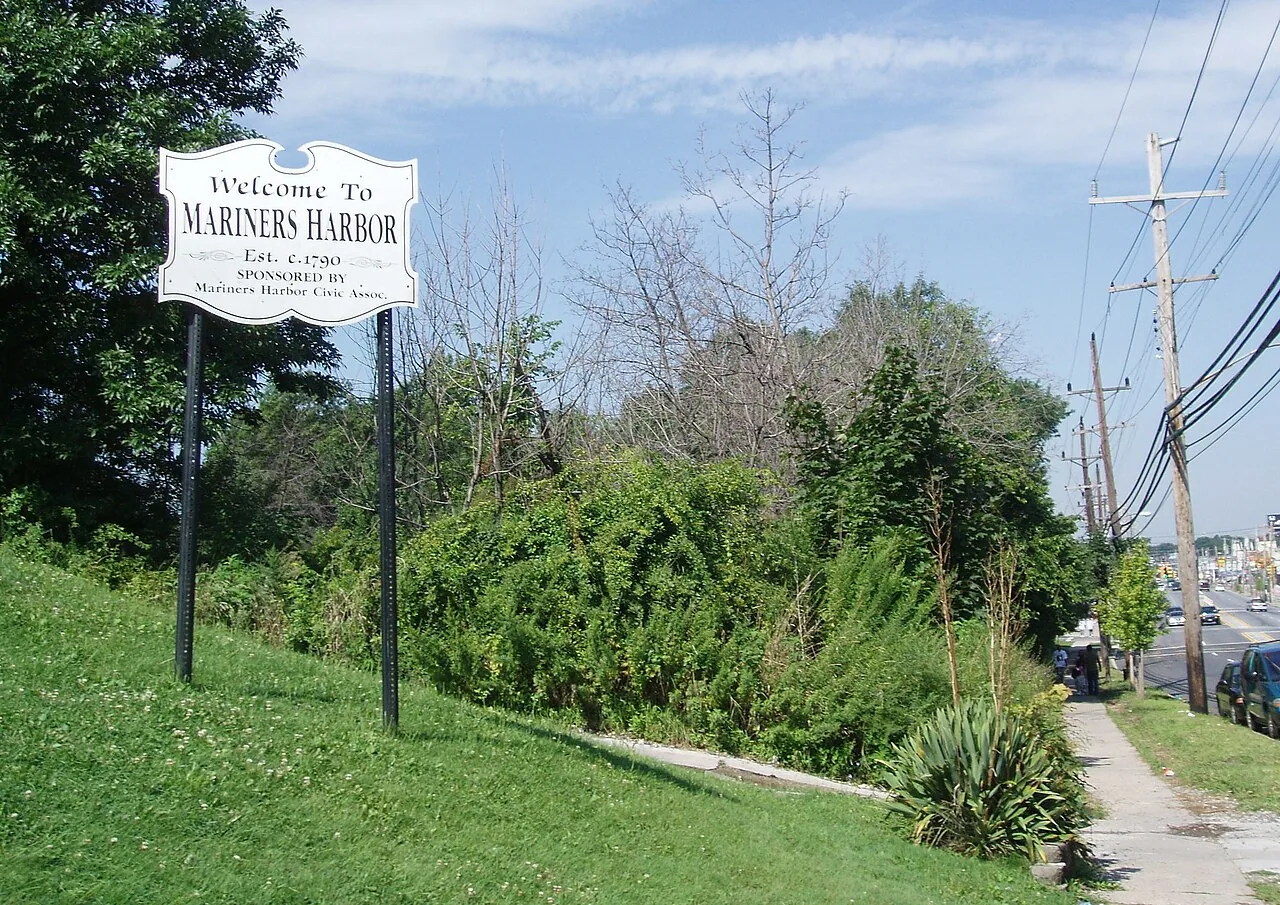
Staten Island's manufacturing past explains many of its roofs. At Mariners Harbor Bethlehem Steel held much of the land and built Navy destroyers during World War II, and in Port Ivory a Procter & Gamble soap plant operated for most of the twentieth century, from 1907 until 1991, with a Port Authority rail yard now planned on part of the site. In Prince's Bay the S.S. White Dental factory shut in 1972, and Charleston had the Kreischer Brick Manufactory as an early industrial site in 1854.
Industrial buildings that survive from earlier eras, and newer buildings that replaced them, often carry roofs layered over decades, the same pattern seen on a manufacturing plant roof anywhere on the island. We pull cores and scans on every plant roof to learn what is there before suggesting a repair, a recover or a replacement.
Process exhaust, chemicals and the membrane
A plant roof lives with whatever the plant makes. Exhaust stacks discharge heat, oil mist, acids or solvents, and the membrane downwind of a stack can soften, discolor or blister. Rooftop equipment such as scrubbers, fans and ductwork adds penetrations, and every one needs flashing that tolerates the exposure.
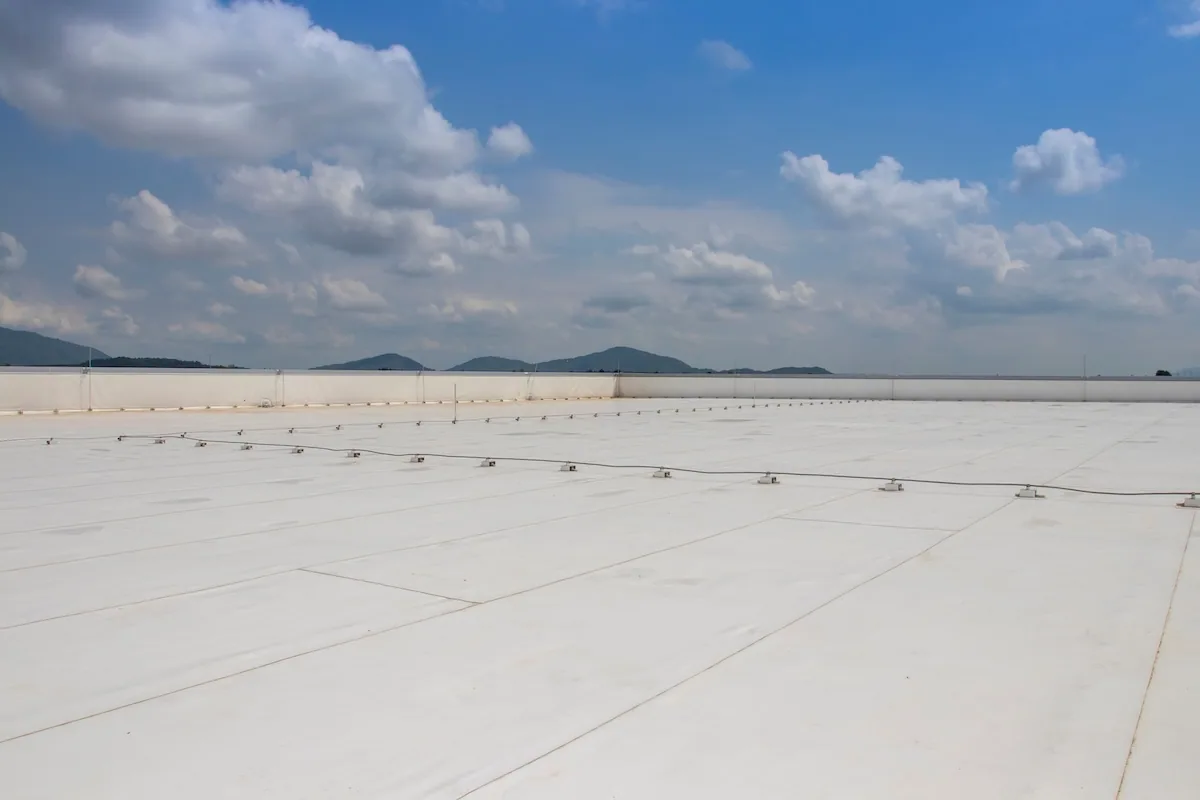
We ask the plant for the chemicals and temperatures at each stack and choose membranes and sealants to suit. PVC roofing and KEE roofing resist many oils and chemicals, while a standard sheet may not. The report notes where chemical exposure shortens roof life and recommends protective pads, splash guards or relocated discharge.
Production, safety and hot work
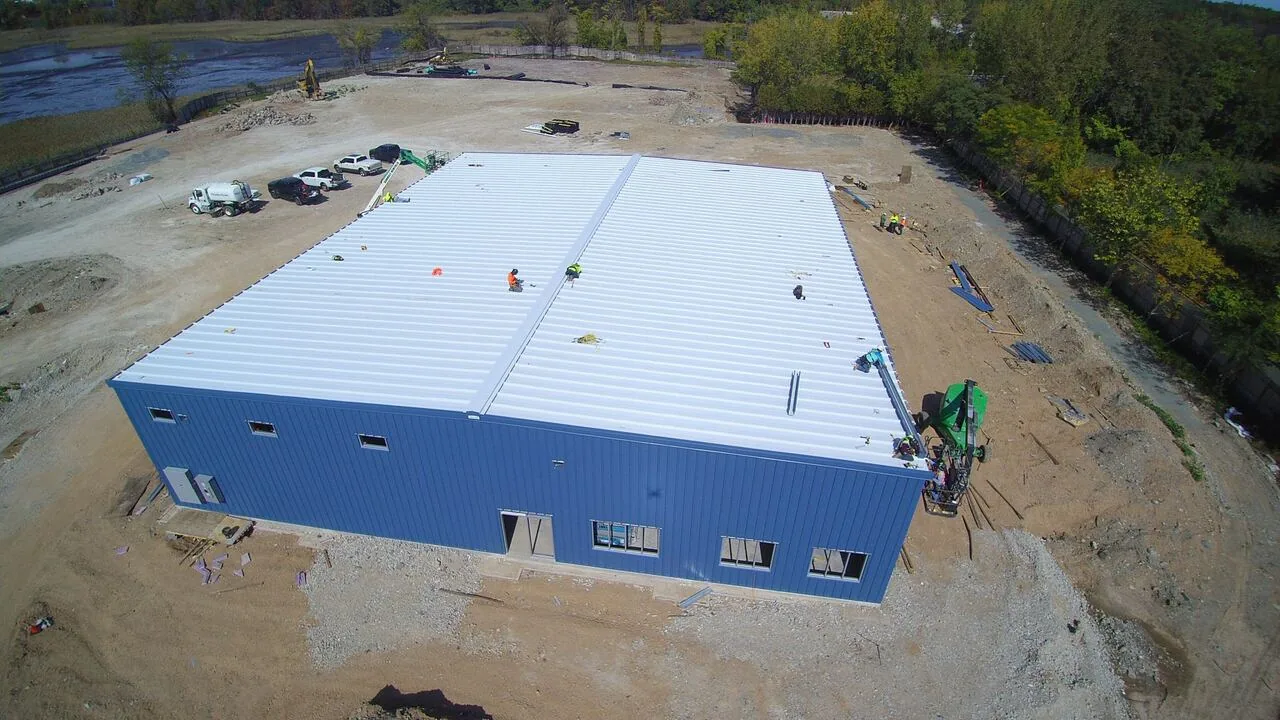
The roof schedule follows production. A plant with continuous lines cannot stop for a roof job, so we work with the plant manager to find which bays can be opened and when. Shutdown weeks, holiday periods and maintenance windows are used for larger sections, and sensitive lines get ceiling protection and a standby crew.
Each day ends with the roof dried in. Hoisting and staging stay away from truck docks and rail spurs, and fumes are kept away from intakes. A written daily plan lists the work area, the hazards and the contact for the shift. Occupied building reroofing habits apply, and the plan is reviewed with the plant's EHS lead before the first day.
Plants have their own safety programs: lockout and tagout, confined space, hot work permits, orientation and PPE rules. Our crews follow the plant's program in addition to our own, and we submit names and training records early. Hot work such as torch application or welding needs permits, fire watches and sometimes a shutdown of nearby processes.
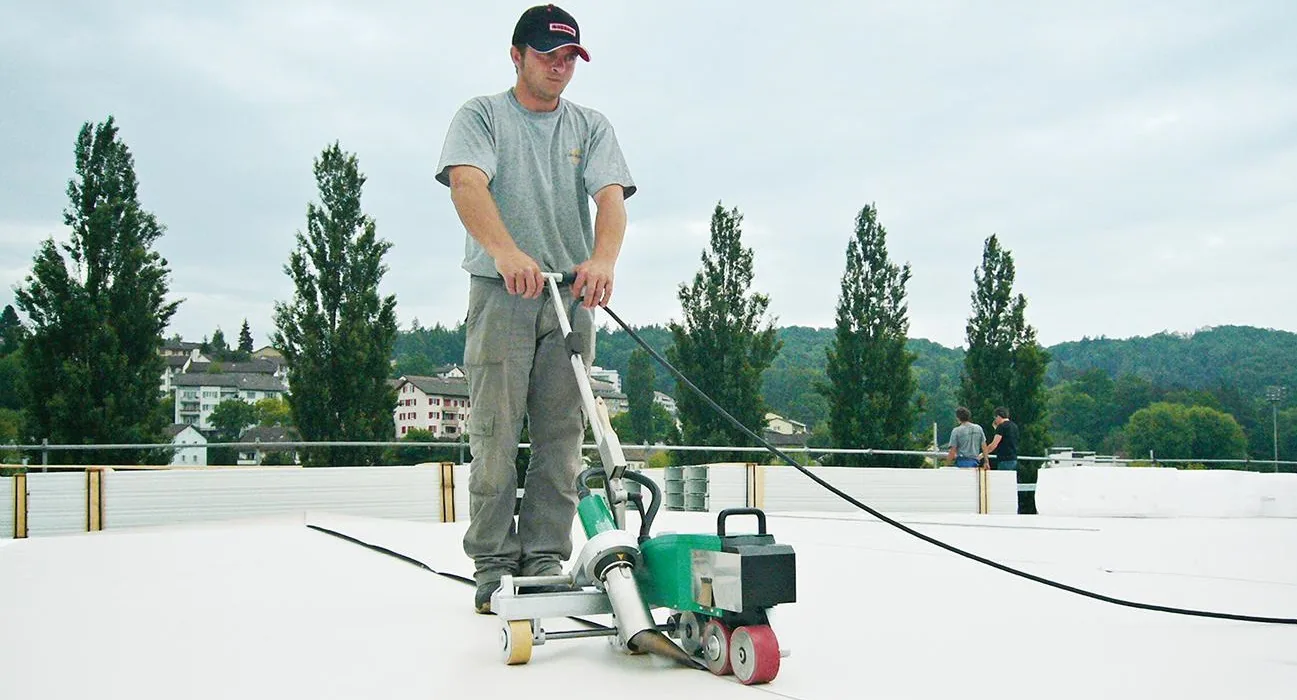
Where hot work is restricted, we use cold-applied, mechanically fastened and heat-welded systems. Edge protection and fall protection are in place before work begins, and roof hatches and ladders are inspected. The plant's EHS lead reviews the plan and the first day is walked together. Any incident is reported the same day.
Equipment loads and the structure
Plants add equipment over time, and the roof structure carries it. Heavy units, ductwork and piping on a roof deck can approach the structural limits, and ponded water adds weight. Before a recover or a heavy addition, the deck and structure are checked against load figures from the plant's engineer.
We map equipment loads, note sagging or deflection and flag any ponding that adds weight. Tapered insulation corrects slope and reduces ponding. If the structure is close to its limit, a lighter system or a partial tear-off may be the better choice, and the report puts numbers behind it.
Storms, snow and the West Shore
Most of Staten Island's industry sits on the West Shore. Wide roofs with few drains meet storms like Sandy, with gusts to 80 mph in October 2012, and downpours like the one that brought Ida's flash flood emergency in September 2021 head on. Snow in the city runs to 29.8 inches in an average year, and January 23, 2016 added 27.3 inches in a day. Drains, overflow scuppers and edge attachment are the first checks before storm season, and plants near the water, such as those in Mariners Harbor and Port Ivory, get a closer look at edges. Snow load on a long, flat roof needs clear drains and a plan if ponding grows.
Suppliers, logistics and the loading side
A plant is tied to its trucks and rail. Receiving and shipping docks have canopies, dock levelers and exhaust from idling vehicles, all of which sit at the roof edge. Dock canopies collect debris and leak onto the dock floor, and the edge metal above them takes wind and truck traffic. Plants that depend on logistics operators for inbound and outbound freight share those docks and their roofs with other tenants.
We inspect dock canopies and edges, check the flashing where the canopy meets the wall and look at the roof above the dock for ponds. Delivery routes for roofing material are set so trucks never block a receiving door. The loading side is also where the roof is easiest to reach, so work often starts there and moves inward as production allows. A plant with rail service adds a clearance check for cranes and lifts working near tracks.
Capital approval and multi-plant programs
A finance director approves roof spending, and a manufacturer with more than one plant compares them. We give each plant a condition rating, a remaining-life range and a cost range for repair, recover and replacement, then roll up the numbers into a multi-year plan. Multi-site roof programs use one format for all plants.
The plan separates maintenance from capital, which helps with budgeting and accounting, and it names the general contractor or the plant's own maintenance staff for each task where the plant wants to coordinate with general contractors on a larger project. Repairs that prevent production loss are flagged, and the cost of a leak over a line is estimated by the plant. That comparison often moves a roof up the list.
Production calendars rule the work. The crew asks when the line is down, when the plant shuts for maintenance and which areas must stay dry at all times, then builds the roof plan around those answers. A written sequence goes to the plant manager before anyone goes up, and the log records each zone as it is finished.
Related Roofing Work
More roofing work that comes up alongside Manufacturers.
Commercial Roofing Questions
How do you avoid stopping production?
By working in small sections, closing each one before the shift ends and using shutdown periods for larger work. The plant manager approves the sequence.
What membrane resists oils and chemicals?
Some PVC and KEE sheets do. We ask for the chemicals and temperatures at each stack and choose accordingly.
Can a plant roof be recovered without checking the structure?
No. The deck must carry the added weight, so the plant's engineer confirms the load figures first.
How does hot work get handled?
With permits, fire watches and the plant's rules. Where it is restricted, we use cold-applied or mechanically fastened systems.
What does the finance director receive?
A rating, a remaining-life range and cost ranges for repair, recover and replacement for each plant.