
Commercial Roofing in Port Ivory, Staten Island, NY
Commercial roofing in Port Ivory, Staten Island, NY for industrial and logistics buildings near the Arthur Kill, with edge, drain and membrane repair.
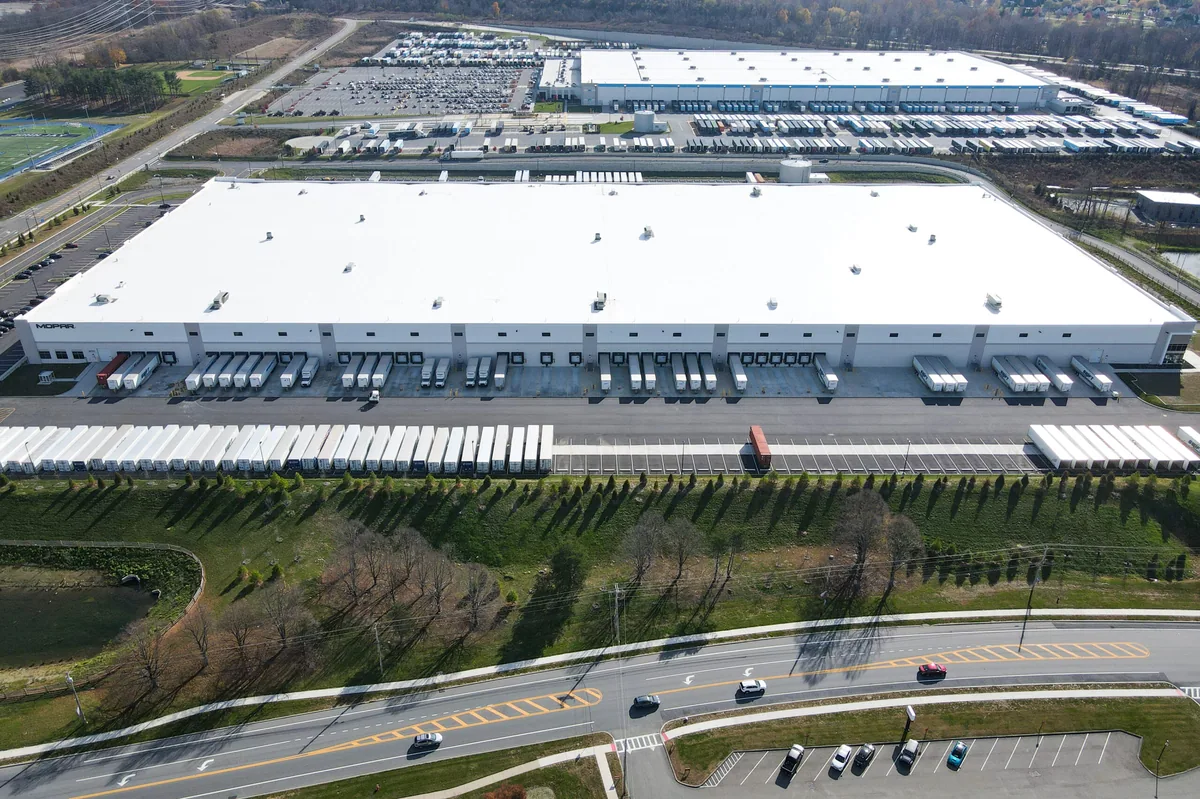
Wind-lifted edge metal on a long industrial roof facing the Arthur Kill, a drain strainer packed with grit blown off the rail yard, a parapet return that has pulled away at the corner: those are the first lines in an inspector's notebook on a Port Ivory roof. The buildings here sit between the water, the Goethals Bridge approaches and the freight network that feeds the Howland Hook Marine Terminal, and the roofs take weather from every open side.
On industrial and logistics buildings in Port Ivory, Staten Island, NY, Commercial Roofing Staten Island works on and replaces low-slope and metal roofs, and the question put to a facility director first is which side of the building faces the water.
A soap factory site becoming a freight yard
Port Ivory was home to a Procter & Gamble soap factory from 1907 until 1991, and the Port Authority is building an intermodal rail yard on part of the former factory site to connect ships with trains at the Howland Hook Marine Terminal. An area that changed from manufacturing to freight handling carries a mix of building ages: older industrial structures from the factory era and newer logistics space built to serve the port.
The walk records the roof system, the number of layers, the insulation and the condition of the flashing, and the report ranks buildings by risk. Older industrial roofs often carry several repairs on top of an original membrane. Newer roofs tend to show early problems at penetrations and edges instead. The log tells the director which kind of roof each building has.
Rail, trucks and the work around them
Howland Hook Marine Terminal covers 187 acres with a 3,012-foot wharf and a seven-track on-site intermodal rail facility, and the Staten Island Railway's North Shore branch crosses the Arthur Kill on its own lift bridge beside the Goethals Bridge. Roofing work near a rail corridor and a port follows their rhythm. Deliveries are timed around truck traffic, crane lifts avoid rail clearances and work stops when a train or a vessel operation needs the space.
We plan the job with the facility's dispatcher and the site safety lead. Material staging stays out of truck lanes, and the roof access point is chosen to avoid forklift routes. Logistics operators in the area work to tight windows, and a roof schedule that ignores them does not survive the first week.
Edges, wind and the open waterfront
A building at the edge of the Arthur Kill meets wind with nothing in front of it. Gusts lift edge metal first, then the membrane within a few feet of the corner. Open-water exposure is why waterfront roofs get their perimeters checked before anything else, with the 80 mph gusts and 9.56-foot surge of Sandy in October 2012 as the standard.
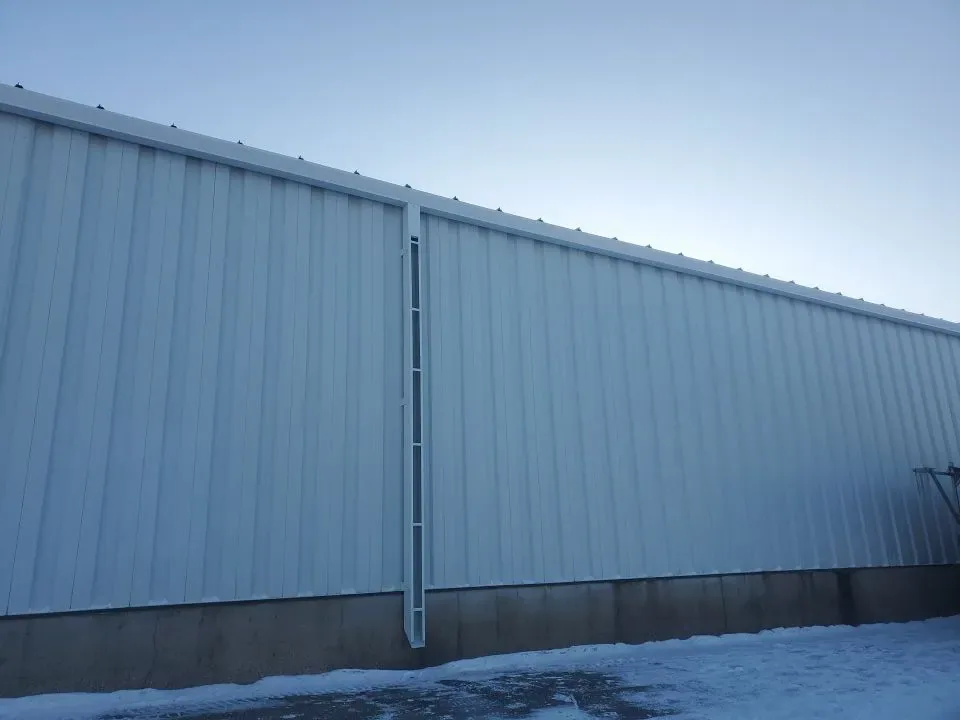
We test each run of coping and drip edge by hand, look for rust at fasteners, probe sealant at laps and check how the membrane is terminated. Edge metal, coping and gutters are repaired with heavier gauge metal and closer fastener spacing where the wind load requires it. Corner zones get the most attention, and the log records the spacing.
Wide decks, few drains and ponding
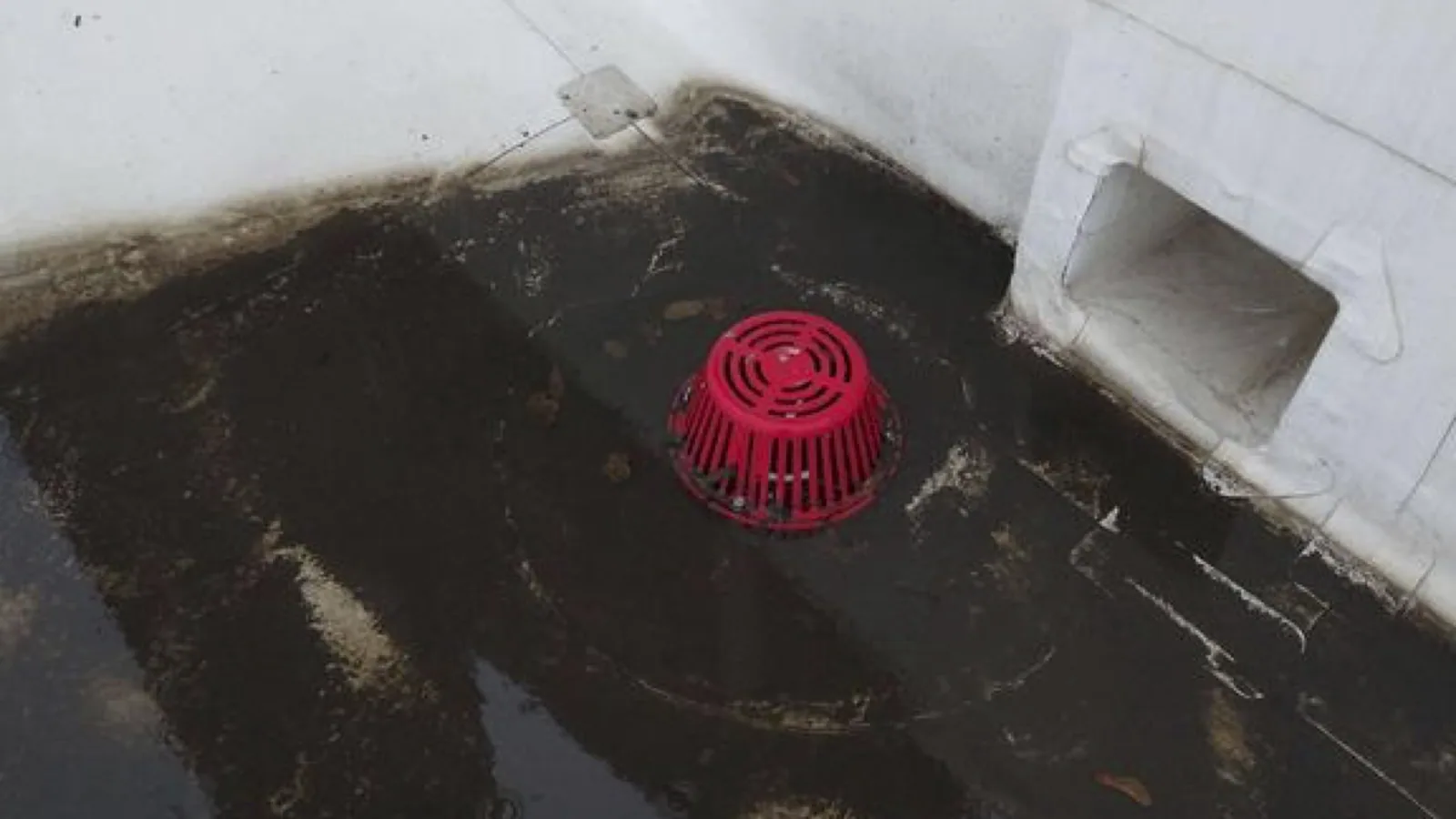
Industrial and logistics roofs are wide, with few drains, so water has a long way to travel and a single blocked outlet shows up fast. Grit from rail and truck traffic settles into strainers, and ice at a drain bowl in winter can lift flashing. Roofs close to freight routes get a third strainer visit in summer, because the debris load is higher than on a roof away from the yards. Water still standing two days after ordinary rain traces back to a drain, a leader or a deck that has settled. Every strainer is cleared and photographed, leaders flushed, slope measured, and a drain or scupper upgrade is usually where the repair starts. For larger problems, tapered insulation installed with a recover corrects slope across the deck. Overflow scuppers at the parapet protect the building when drains clog in a cloudburst like the one behind Ida's flash flood emergency of September 2021.
Repair, coat, recover or replace
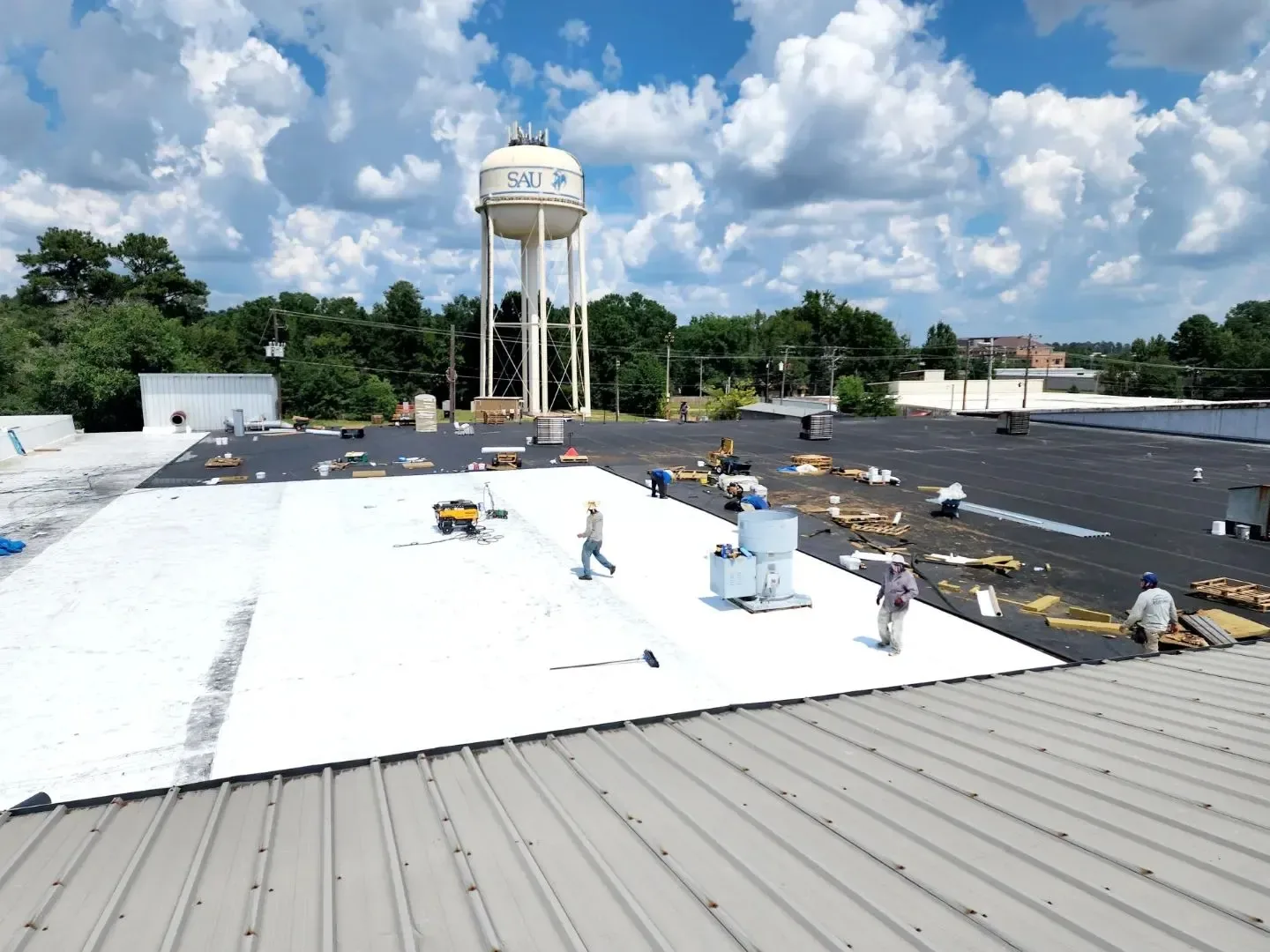
The decision comes from the evidence. A moisture scan after sunset maps wet insulation, and cores show what is under the membrane. If the insulation is dry and the membrane is sound, a coating or a fully adhered recover extends the roof. If moisture is widespread, replacement is the answer, phased in sections so the building keeps operating.
Single-ply systems such as TPO are common on industrial decks because they reflect heat and weld at the seams, and metal retrofits suit buildings with failing corrugated panels. A cover board over the insulation resists foot traffic from service crews. Every option is priced for the same roof beside the difference in expected service life stated beside it.
Winter loads and the shutdown window
Snow in the city averages 29.8 inches in a year, and on January 23, 2016 a single day brought 27.3 inches. Snow load on a long, flat deck and ice at drains are winter findings, and a roof with a known ponded seam is walked after the thaw. Fall visits clear drains and check edges, and spring visits catch what winter did.
Large replacements belong in late spring through early fall. Shutdown weeks and holiday periods, when freight volume dips, are the best windows for big sections. The calendar comes first, and the schedule is built backward from it. Temporary protection stays ready for any section that must be opened outside the window. A crew on call can tarp and seal an open area in hours, and the entry is photographed so the permanent repair knows what lies beneath it. Insurers and lenders asking for proof of care get the same dated record.
What goes in the log
The report for a Port Ivory building covers each roof section: system, age, photographs, scan results, core cuts and a ranked repair list with prices. A summary page lists the buildings in order of risk, so a facility director can fund the first repairs and plan the rest. Neighboring sites in Travis and Bloomfield use the same format, and an owner with buildings in all three gets one calendar.
Every visit adds an entry with dated photographs, so the next decision is made from facts. The log supports insurance reviews, lender requests and capital plans, and it travels with the building through a sale.
New tenants arrive with equipment plans that cut the roof, and the log keeps track of each cut. A dated photograph before and after every penetration shows what was added and how it was sealed. The note stays with the building when the tenant moves out.
Related Roofing Work
More roofing work that comes up alongside Port Ivory.
Commercial Roofing Questions
Which side of the roof takes the most wind at a waterfront building?
The side facing open water, and the corners above it. We check edge metal and fastener spacing there first and log the movement.
Can roof work happen near active rail and truck lanes?
Yes, with a plan. Staging stays out of lanes, lifts avoid rail clearances and the schedule yields to operations.
Our deck ponds after every rain. Is it the drain or the roof?
Time the water. If it clears in a day, the drain is working. If it stays two days, the drain, leader or deck needs work. We clear, flush and measure slope.
What should a facility director send first?
The roof plan, the age of each section and the recent leak history. A walk and a ranked list follow.
Can a building stay in operation during a replacement?
Usually. The roof is worked in sections, each dried in daily, with loud and dusty steps timed to the operation.