
Edge Metal, Coping and Gutters in Staten Island, NY
Edge metal, coping, gutter and downspout repair in Staten Island, NY: wind-lifted edges, open joints and parapet returns on commercial roofs.
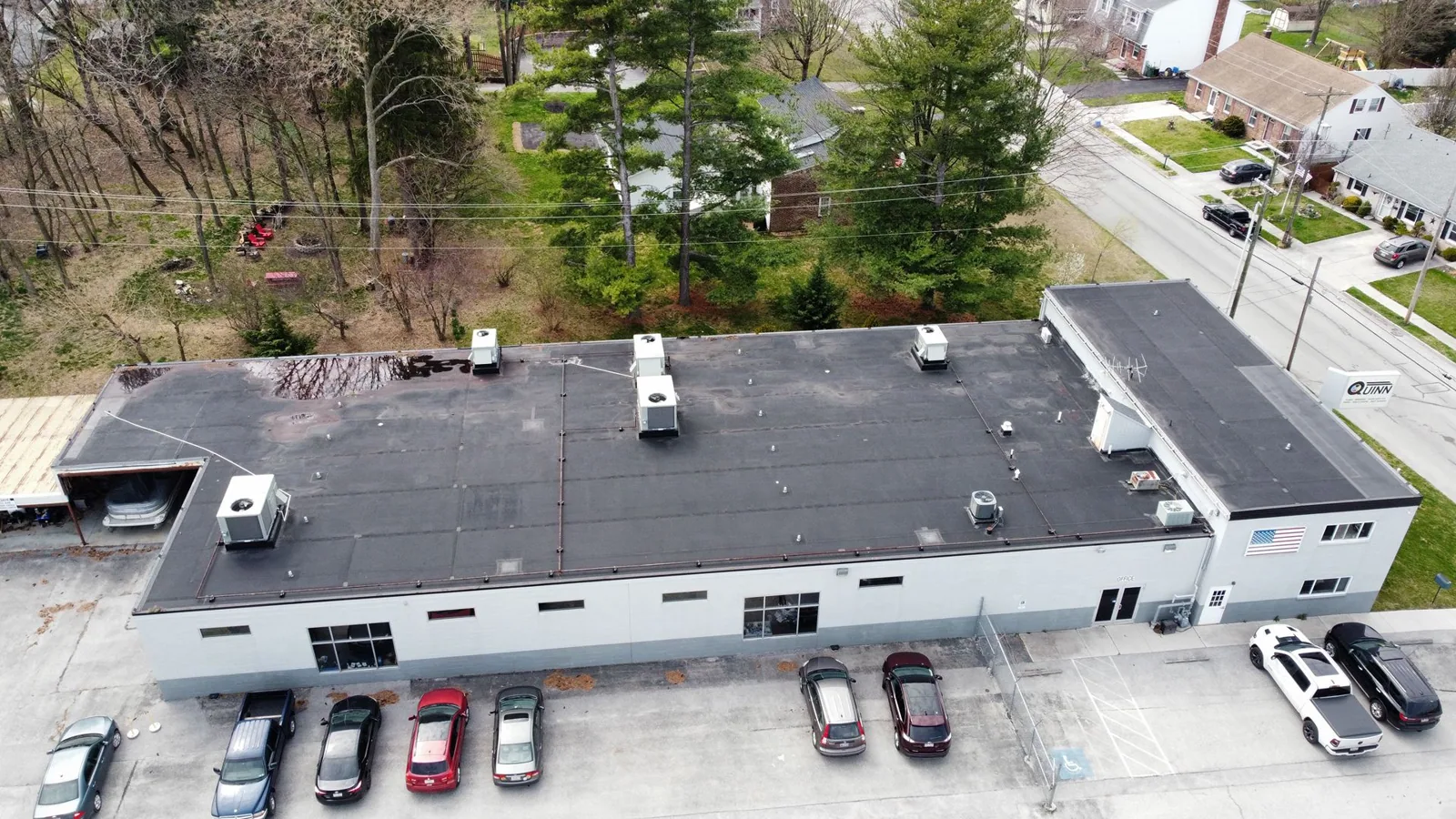
A parapet return with a gap where the coping meets the wall, a drip edge lifted a half inch along the ferry side, a downspout strap hanging by one screw: the edge of a roof is where an inspector on Staten Island finds the first signs of wind damage and the last signs of neglect. Commercial Roofing Staten Island repairs and replaces edge metal, coping, gutters and downspouts on commercial buildings across the island, and we treat the edge as the part of the roof that takes the storm first.
A membrane can be new and sound and still fail if the metal that holds its edge lets go.
Why the edge fails first
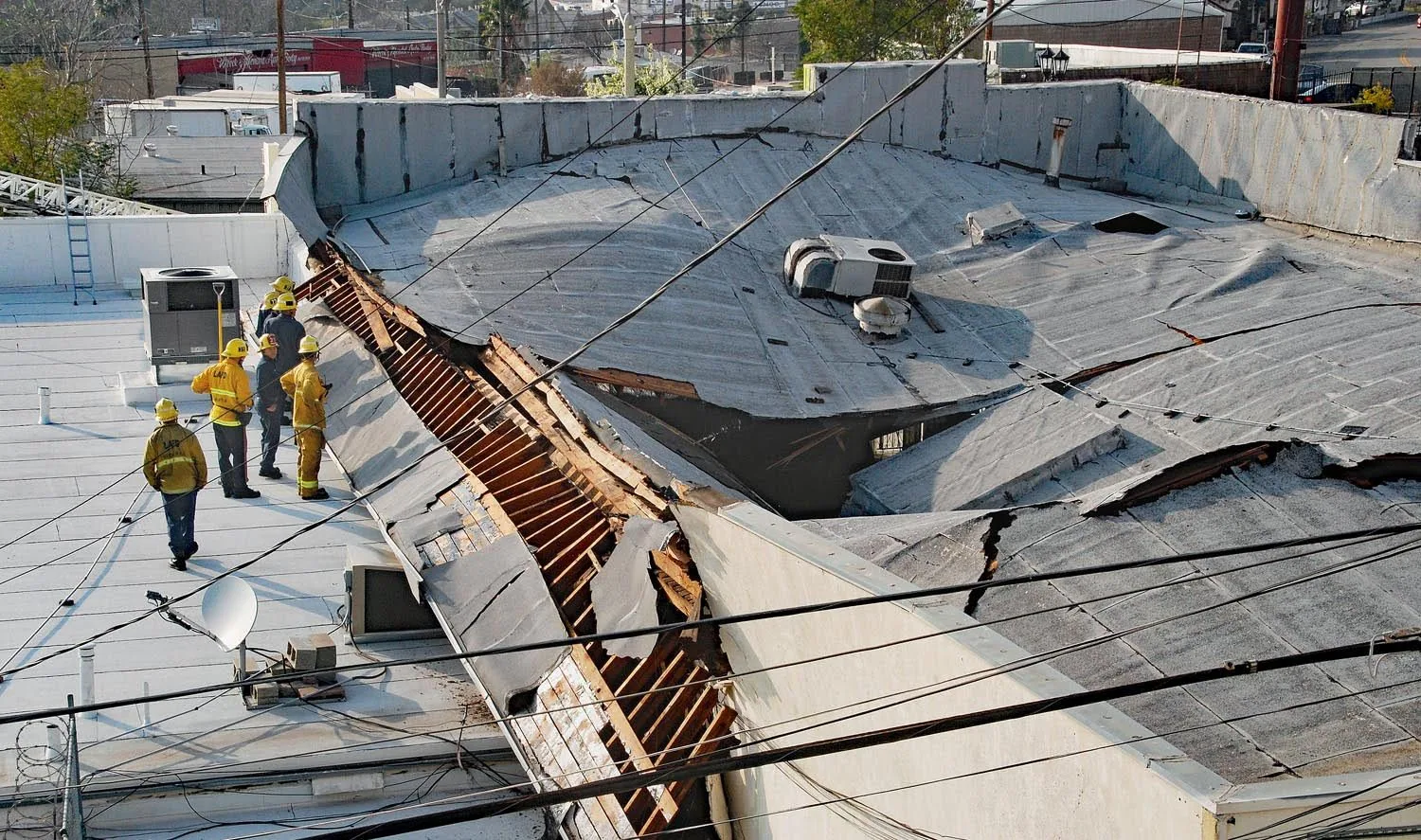
Wind lifts a roof from its perimeter. The air that strikes a building turns up and over the roofline, and the suction is strongest at the corners and edges. If the edge metal moves, the membrane under it is exposed, and once the membrane lifts at the edge, the field begins to peel. Edge metal is where a gust like Sandy's 80 mph in October 2012 does its work.
Edge metal also lives with temperature swings, rain and freeze and thaw. Fasteners loosen as metal expands and contracts, sealant dries out and cracks, and joints between sections open. The failure is slow and invisible from the ground until a gust finishes what the seasons began.
Coping, drip edge and fascia
The names depend on the building. On a flat roof with a parapet, coping caps the wall, sheds water to the roof side and covers the top of the wall flashing. On a roof without a parapet, a drip edge or fascia metal finishes the membrane at the edge and directs water into a gutter or off the roof. Each has its own failure points.
Coping fails at its joints, its fastening cleats and its end caps. Drip edge fails at its flange, where the membrane is stripped in, and at its fasteners. We walk the whole run, test each section by hand for movement, look for open joints and check how the membrane is terminated beneath. The repair ranges from resealing and re-fastening to replacing sections with metal in a heavier gauge and a locking joint.
Gutters, downspouts and where the water goes
Gutters and downspouts move water from the roof edge to the ground or the storm line, and they are easy to ignore until they overflow. A clogged gutter spills at the wall and soaks the cladding. A downspout that discharges against a foundation damages the building from the other end. Straps and brackets loosen with age and wind.
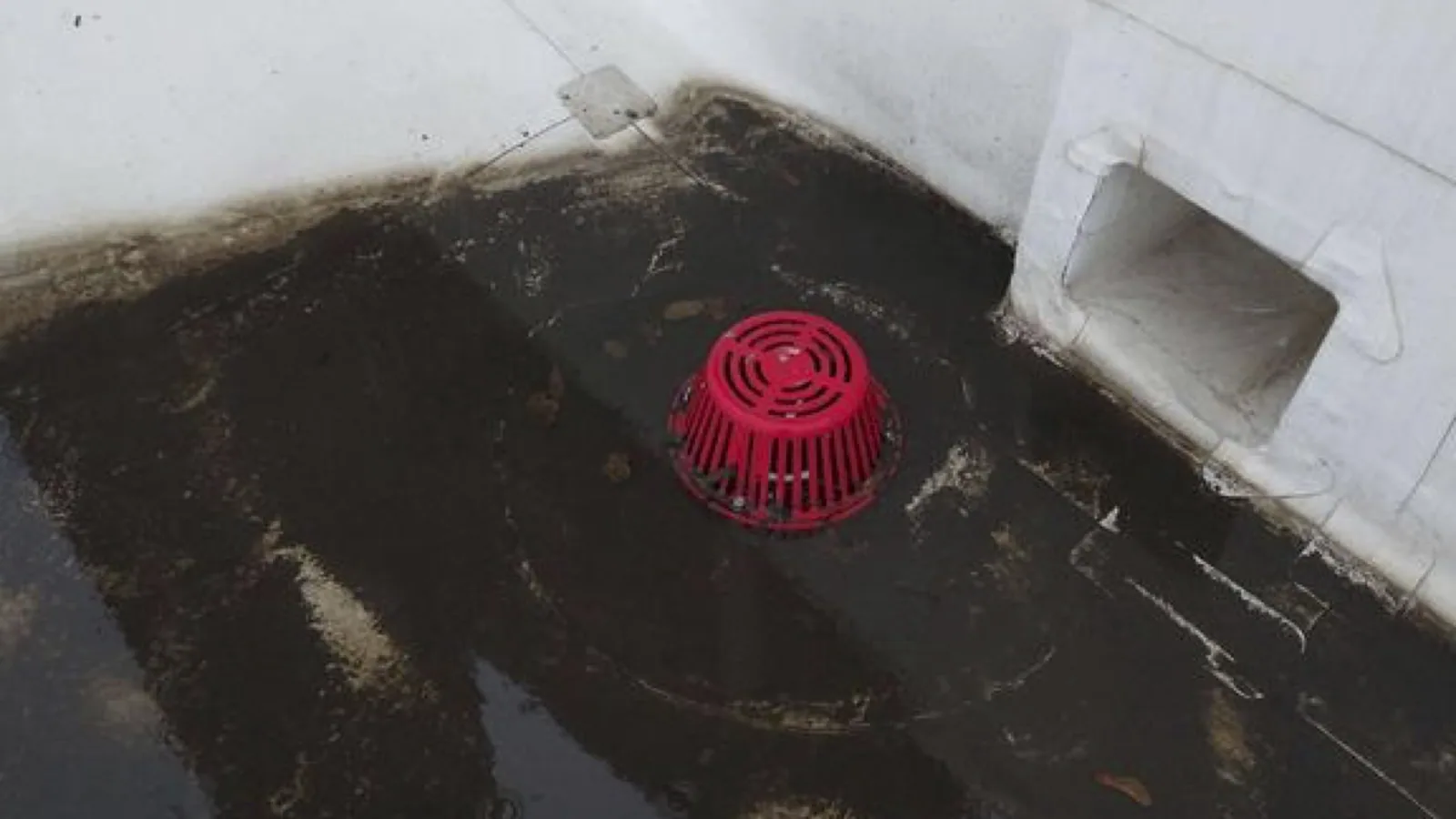
We clean, reset and replace gutters, repair or replace downspouts and add leader heads and overflow outlets where the roof area calls for them. In winter, ice in a gutter adds weight and forces water back under the roof edge, so gutters on north-facing walls and shaded runs get a closer look. Work on gutters often goes together with drain and scupper repair, since the two systems share the same storm water.
Parapet returns and wall flashing
The parapet return is the short wall at the end of a parapet where it turns away from the roof, and it is a common spot for a leak. Mortar joints open, the cap lifts, and counterflashing pulls out of its reglet. Water then enters the wall and travels down it.
Repairs include repointing, resetting loose stone or block, replacing counterflashing and sealing the cap. On older brick buildings, the coping stone or terra cotta cap may need to be reset on fresh mortar. Flashing failure repair at the parapet and return keeps wall water out of the building. Where a client owns brick, the parapet walk starts with the tall brick buildings of Tompkinsville and the early-1900s civic buildings around St. George.
Metal choices for the island
Edge metal is available in steel, aluminum and stainless steel, finished in a coating suited to the exposure. Steel is common and strong but depends on its finish. Aluminum does not rust but dents more easily. Stainless resists corrosion best and costs more. The choice depends on the building, the budget and the exposure, and a shoreline building may justify a heavier gauge and a more durable finish than a building inland.
Joints matter as much as metal. Locking splice plates, continuous cleats and sealant joints sized for thermal movement keep a run tight, and a commercial roof inspection records the movement run by run so the next visit can compare. We choose fasteners that match the metal, because mismatched metals corrode where they touch. Attachment is specified for the wind load at the building, and the report records the choice.
Storm checks and winter checks
After a wind event we walk every edge run, looking for lifted sections, missing fasteners and bent metal. On September 1 and 2, 2021, Ida showed how fast rain can overwhelm gutters and scuppers, and edge runs with open joints let water behind the metal. The city's snow averages 29.8 inches a year and set a 27.3-inch single-day record on January 23, 2016, so winter adds weight and ice to gutters and edges.
The South Shore flood line, where Sandy's water reached 7.9 feet above ground in Oakwood, and the shoreline buildings in Midland Beach and New Dorp get their edges checked first after any storm. Roofs near the water see the strongest wind.
Scheduling and cost
Edge work is usually quick, and it can often be done without disturbing the interior. A lift or scaffold may be needed on tall buildings, and access is a separate line in the price. Tenants rarely notice the work, except for noise, and sidewalk protection under the work zone is set before the first piece comes off. Material is stored on the roof or in a truck, not on the sidewalk.
Cost depends on the length of the run, the profile, the gauge and the access. Small repairs, such as re-fastening and resealing, cost little. Full replacement of coping or fascia is a larger item but is often bundled with a recover or a replacement, when the edge is open anyway. The ranked list shows each run with a condition note and a price, so a director can see which runs to fix now. Our storm damage repair crew handles emergency re-securing after a blow.
Related Roofing Work
More roofing work that comes up alongside Edge Metal, Coping and Gutters.

Commercial Roofing Questions
How can I tell if the edge metal is loose?
Stand at the corner and push on the metal with a hand. Movement, gaps or a rattle in wind mean the fasteners or cleats have lost their hold. We test every run and log the movement.
Is coping a roofing item or a masonry item?
Both. The coping sheds water onto the roof and caps the wall, so the roofer and the mason share the joint. We repair the roof side and coordinate with a mason when stone needs resetting.
What gauge of edge metal should we use?
The gauge follows the wind load and the span. We specify the gauge and the attachment for the building and note it in the report.
Do gutters need heat cable?
Only where ice repeatedly backs up. We flag those runs and suggest a cable or a larger outlet.
Can edge metal be replaced without a full reroof?
Yes. We lift the edge, install new metal and tie the membrane into it. The membrane near the edge is checked first.