
Roof Systems in Staten Island, NY
The same wet ceiling tile can sit under two roofs that need two completely different repairs, because a welded thermoplastic lap and a taped rubber splice give way in different ways, and an inspector on a Staten Island, NY roof has to know which one is under his boot before he writes a word. Commercial Roofing Staten Island installs, repairs and replaces the systems below, and each is described by how it fails and what keeps it working.
Single-ply sheets
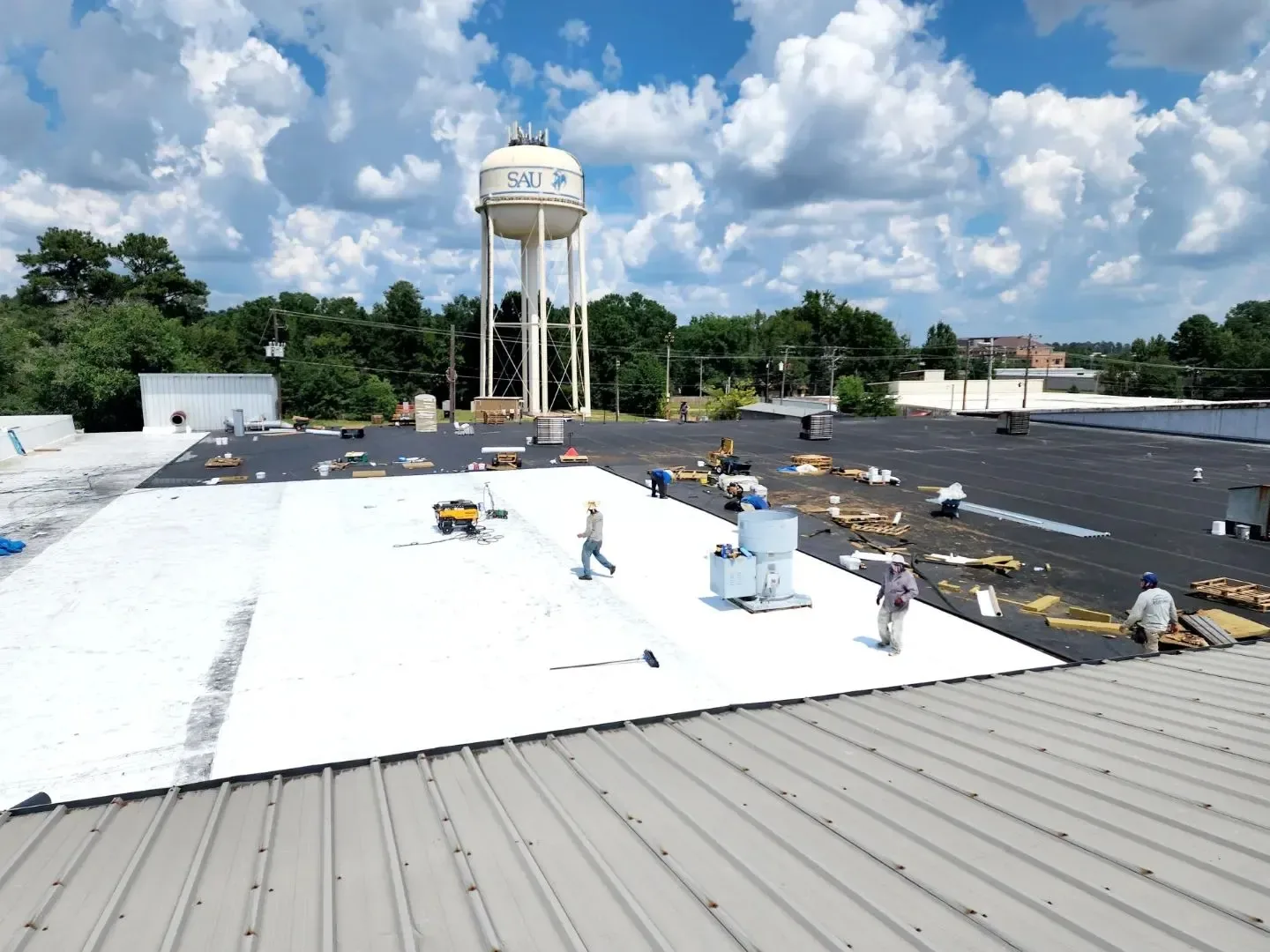
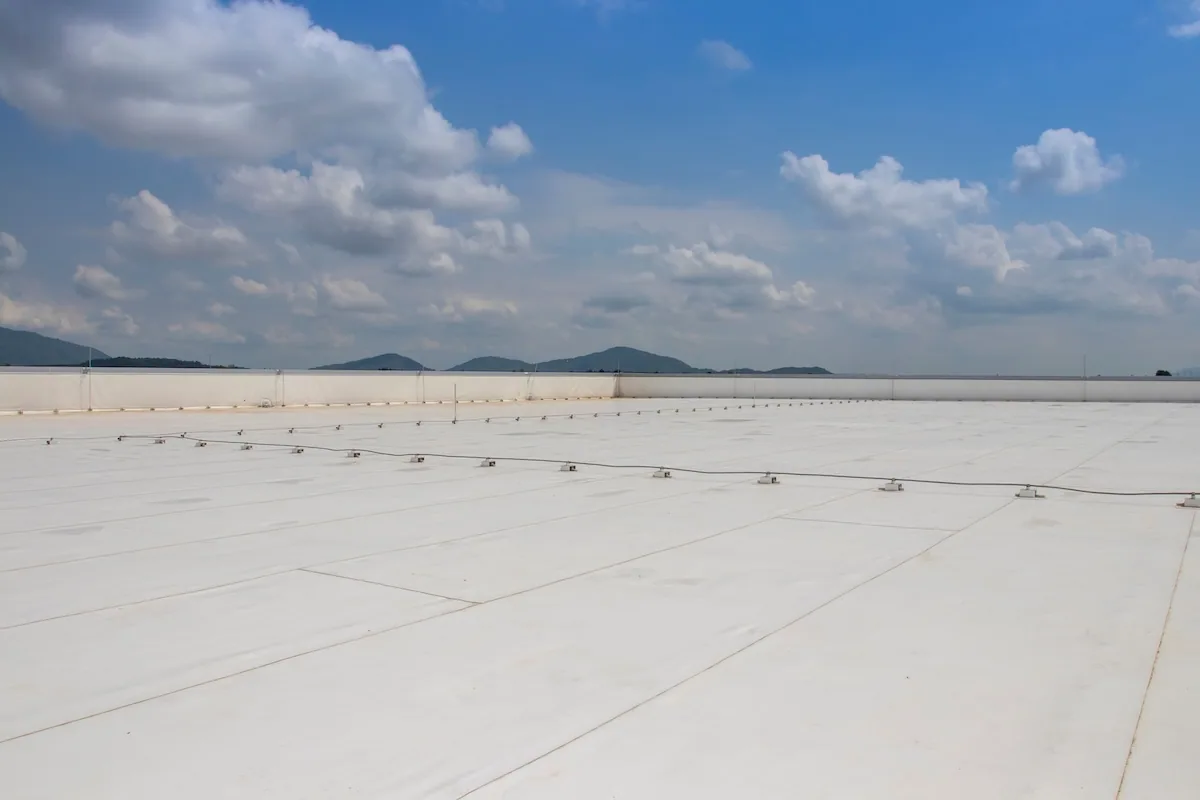
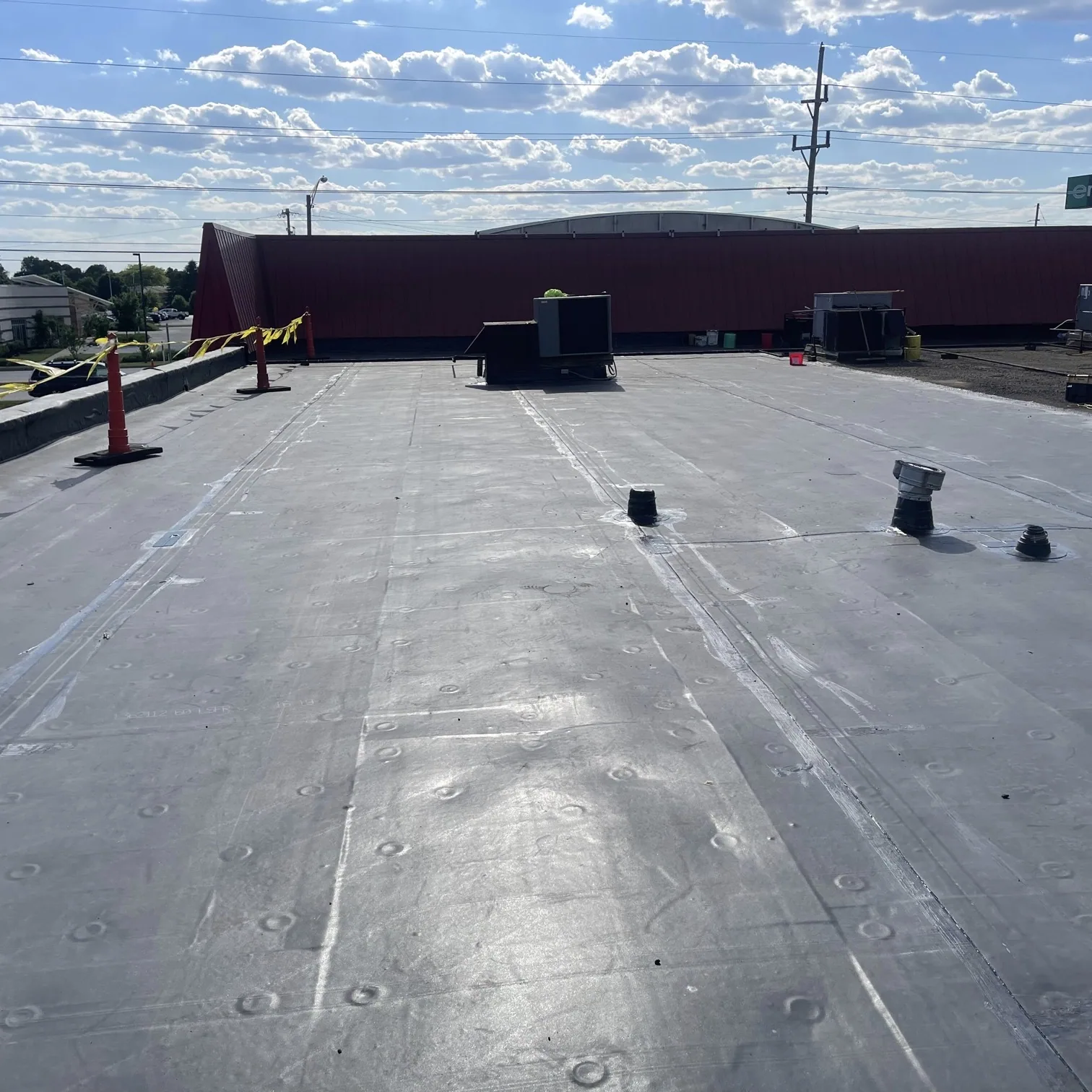
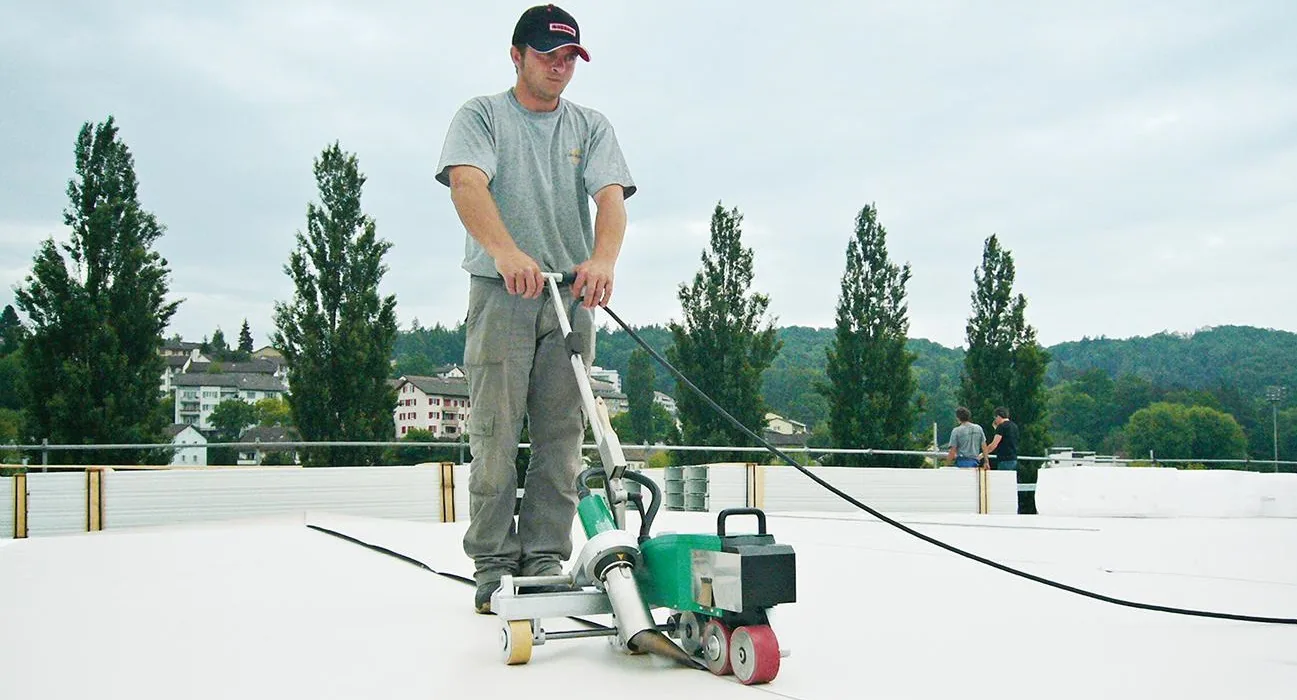
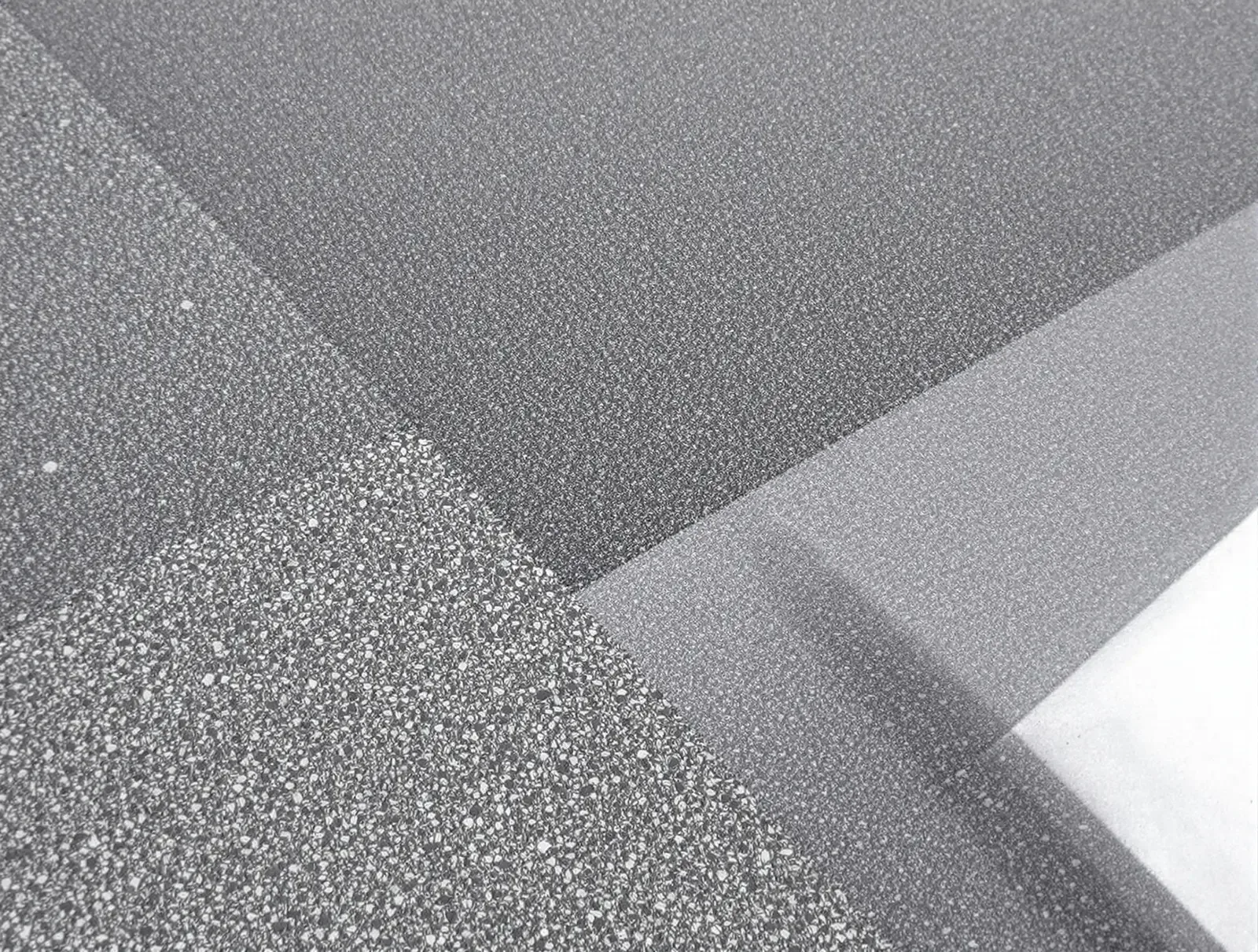
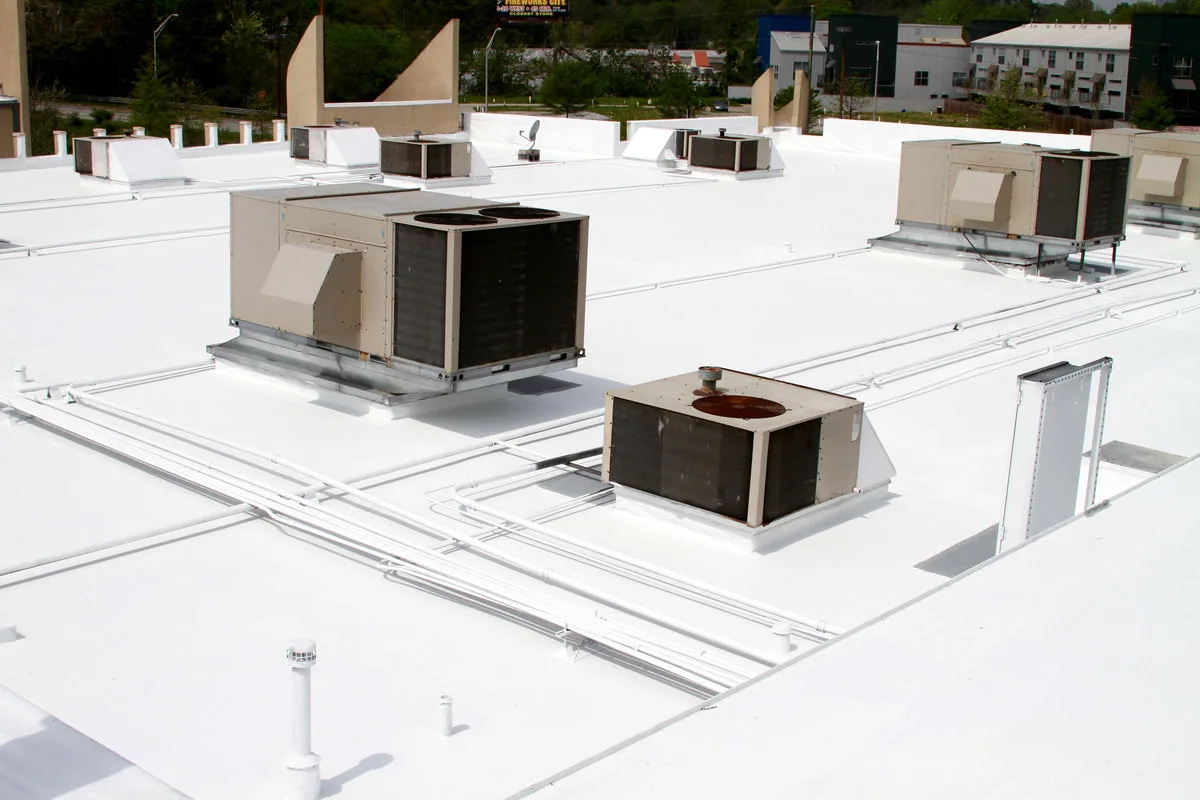
White, gray and black membranes are the common single-ply choices on low-slope roofs. TPO roofing and PVC roofing are heat-welded, and the welds are what we probe. EPDM roofing is cured rubber joined with tape or adhesive and common on small, cut-up roofs. KEE roofing adds a ketone ethylene ester to a PVC sheet for roofs that see grease and chemical exhaust.
Layered bitumen roofs
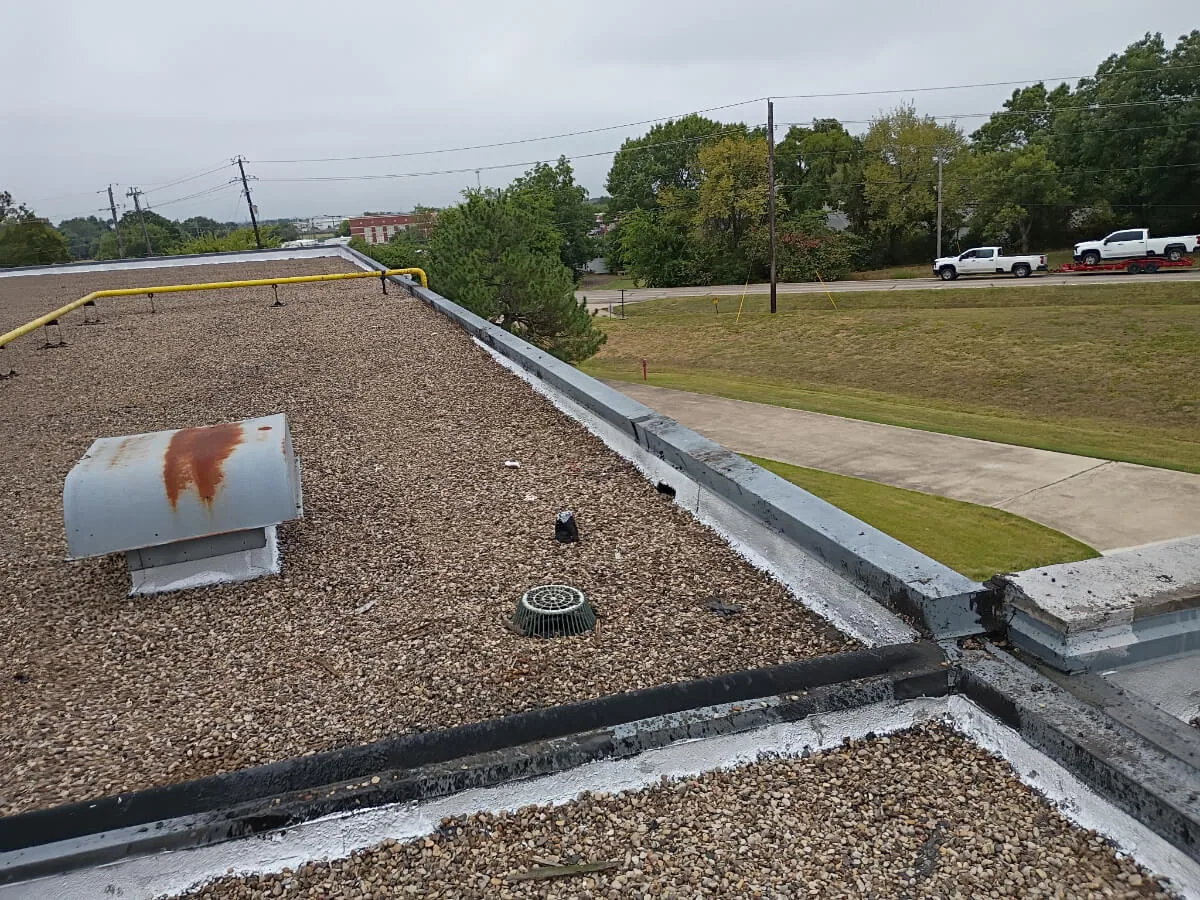
Where a building is old, as on Bay Street or Port Richmond Avenue, a roof with several layers is possible, and the mark of one is a surface of gravel or a granulated cap. Modified bitumen roofing and built-up roofing tolerate foot traffic well and repair in place, and both are read by core cut, since the layers under the surface hold the history.
Metal and foam
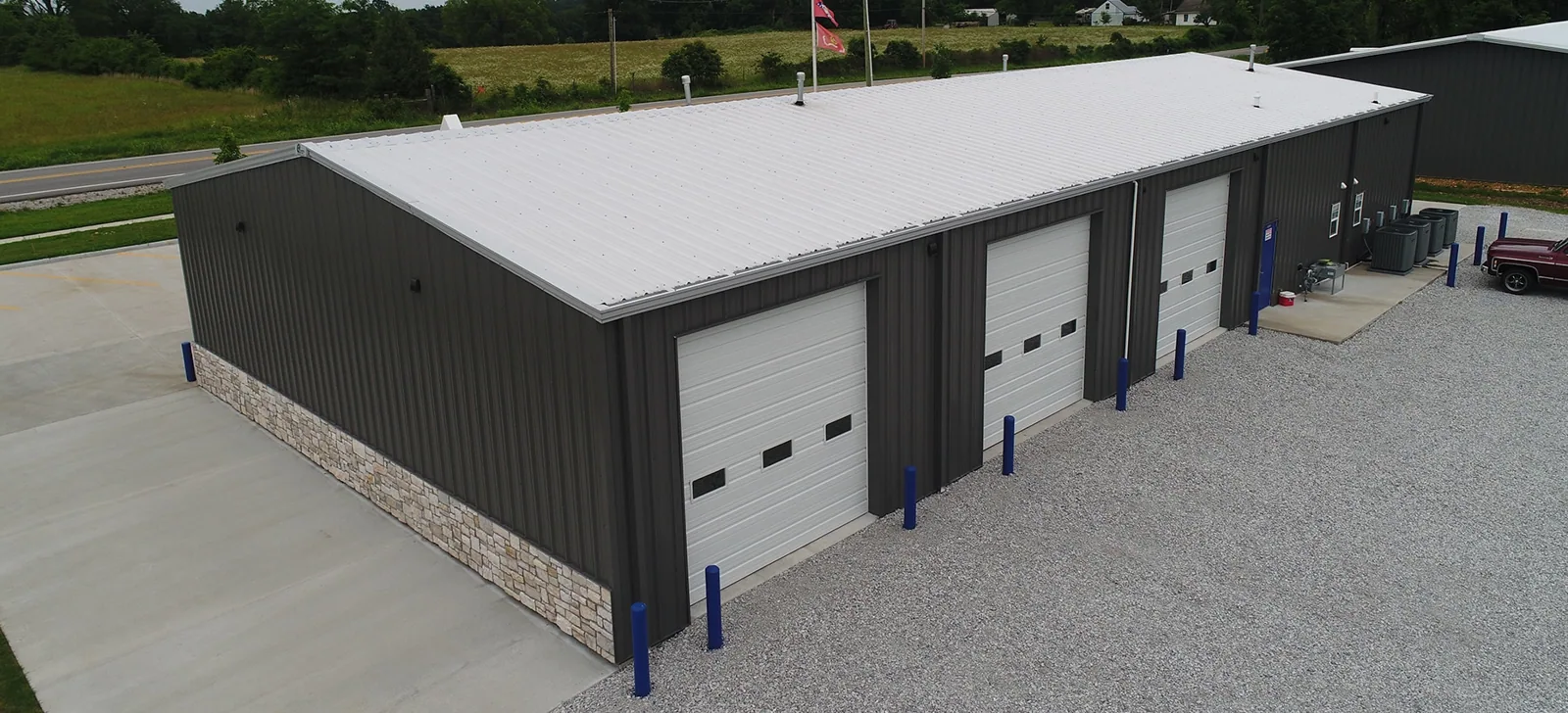
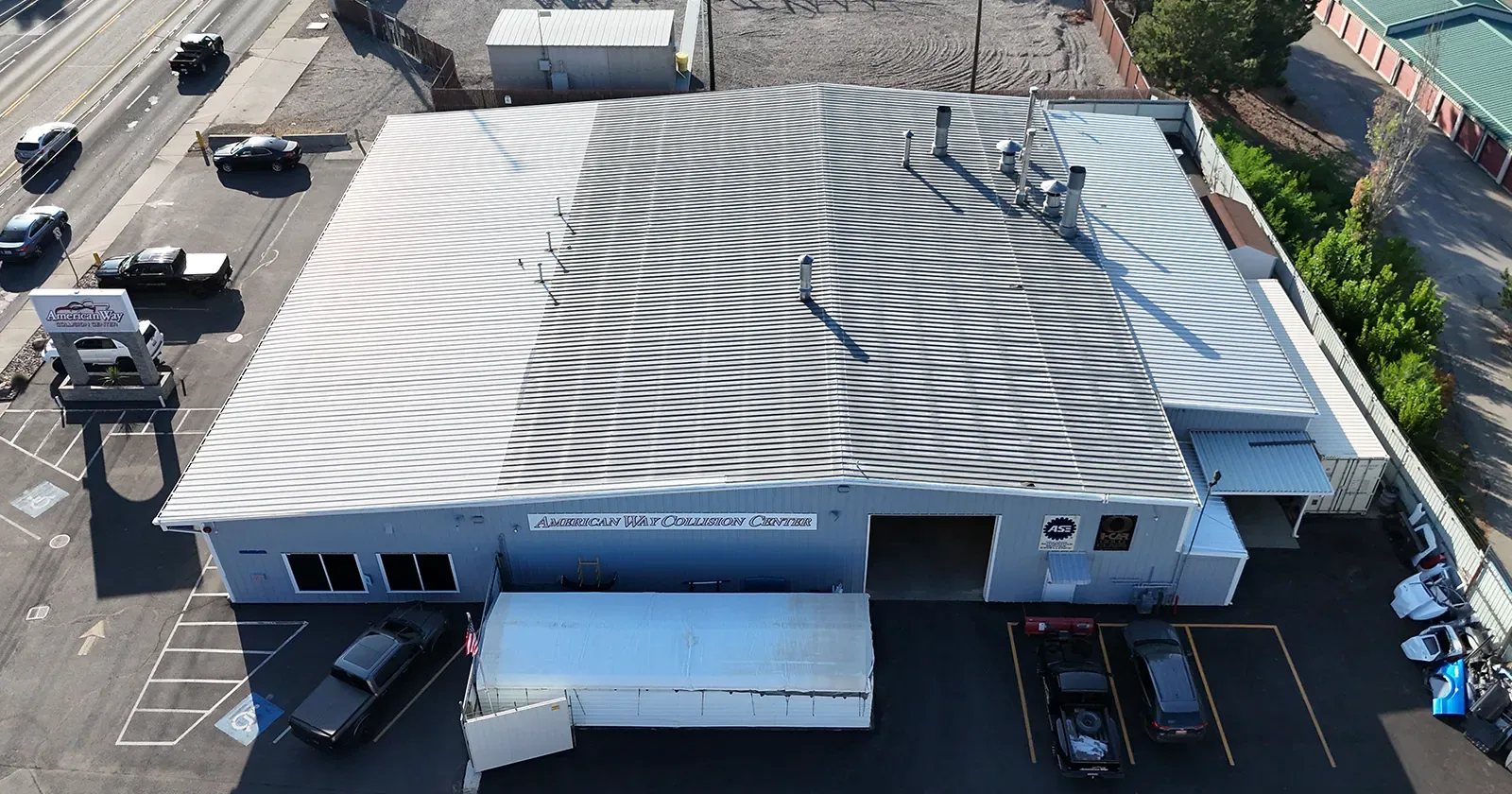
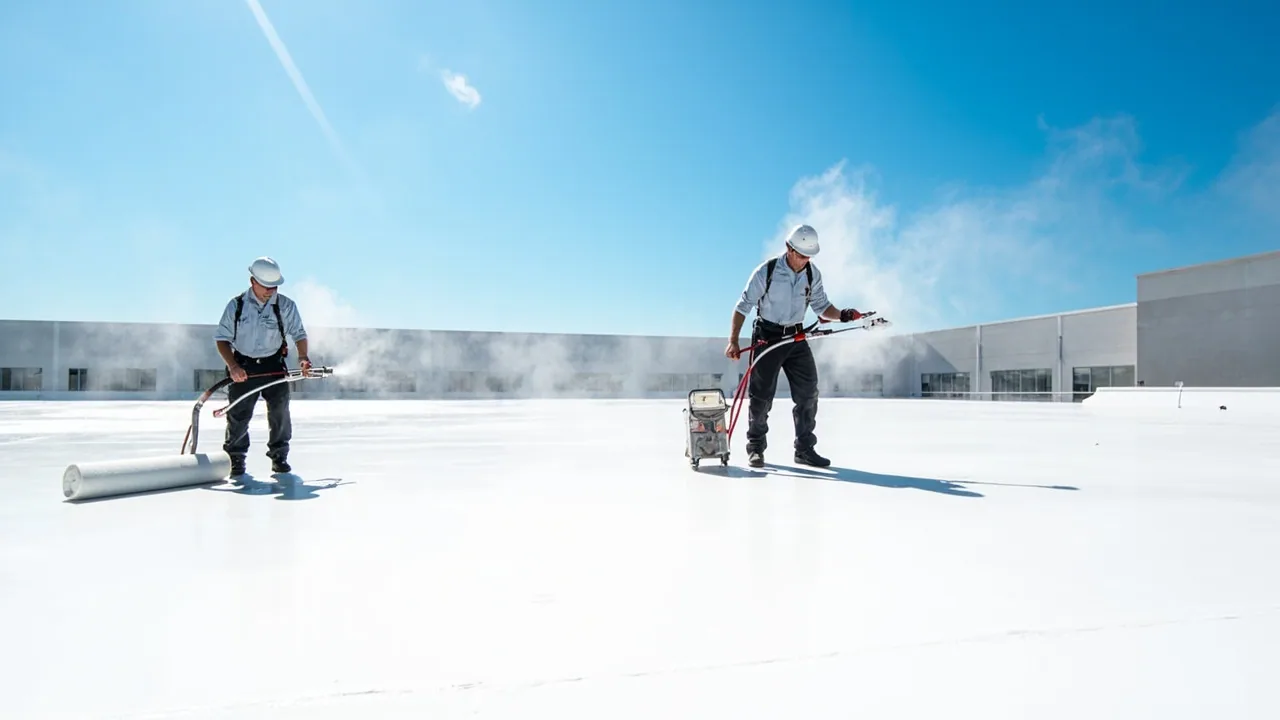
Where a shop or storage building carries a metal roof, as can happen in the West Shore belt where most of the island's industry sits, the choice is usually between two metal families. Standing seam metal roofing hides its fasteners under the seams, while metal roof retrofit fixes exposed-fastener roofs by restoring them in place or covering them. Spray polyurethane foam roofing goes on as a liquid and cures into a continuous, insulating layer, with a protective coat over it.
Coatings that extend a roof
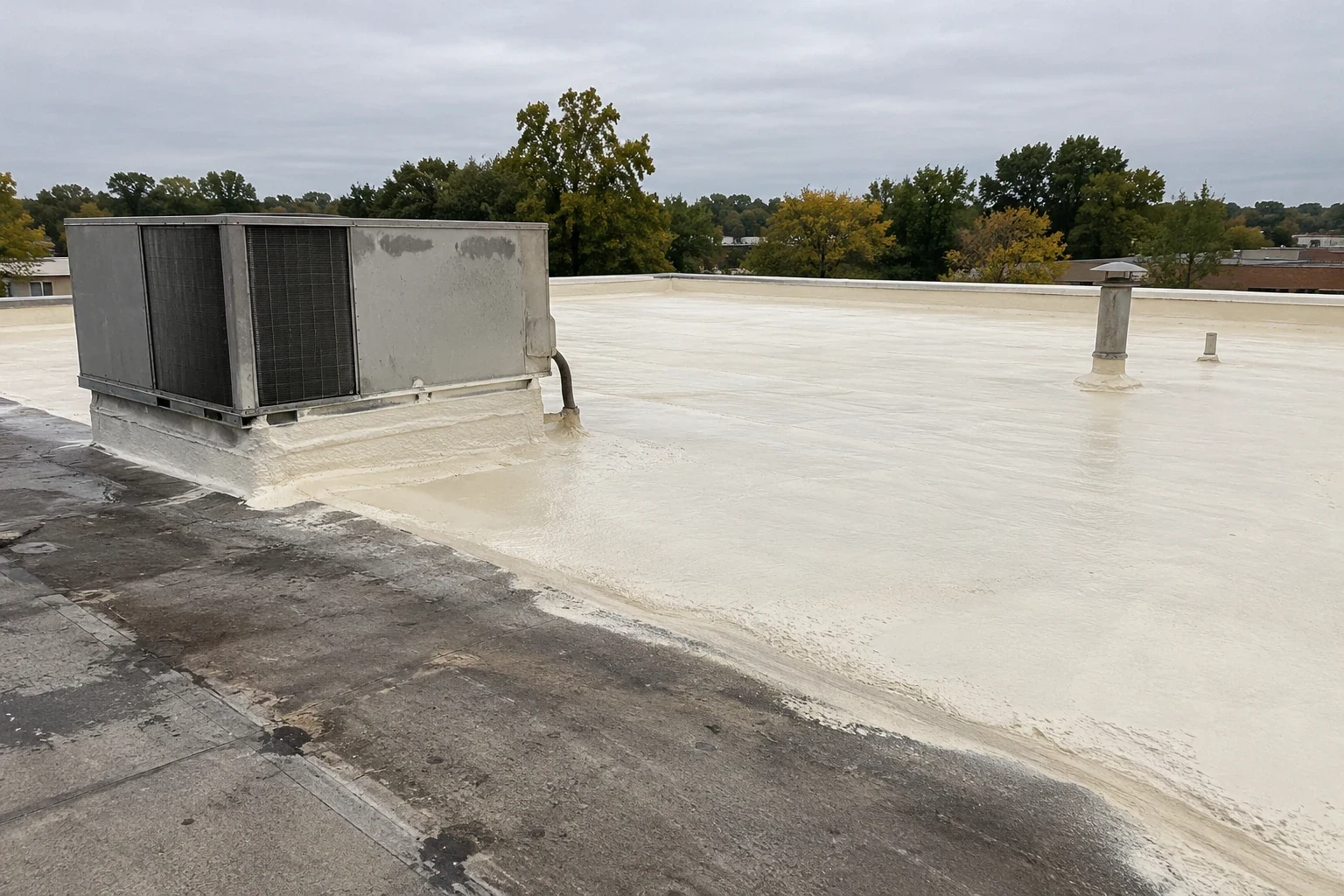
A coating is a way to defer a tear-off, not to avoid one. Silicone roof coatings shed standing water well, and acrylic roof coatings suit dry, sloped surfaces. Either one needs a clean substrate and dry insulation below, and a moisture scan is the test.
Edges and drains decide how long any of these systems lasts on the island. Gusts of 80 mph in the Sandy storm and the flash flood emergency Ida set off in September 2021 explain why perimeters and outlets are the first lines in the log for every system above.
The choice among the systems follows the core cut and the scan, never the habit of the last crew on the roof.
Commercial Roofing Questions
How do you know which system a roof already has?
By a core cut and a look at the seams. The layers, the fastener pattern and the seam profile identify the system, and the paperwork is secondary.
Can two systems share one roof?
They often do after years of partial replacement. The junction between them gets its own flashing detail, because the two materials do not bond to each other.
Which system handles ponding best?
Welded and fluid-applied systems tolerate standing water better than taped seams, but no system replaces a working drain. The slope gets fixed first.
How does Staten Island winter affect the choice?
New York City averages about 29.8 inches of snow a year and had 27.3 inches in one day in January 2016, so seam strength at drains and the stiffness of the sheet in the cold both count.