Due Diligence Roof Surveys in Staten Island, NY
Roof surveys for Staten Island acquisitions and refinancing: core cuts, moisture scans, remaining-life estimates and repair costs on a closing timeline.
Wet cores at three of five cuts, written down two days before closing, is the kind of line that reprices a deal, and it is the kind of line a property condition report built from a walk-through never produces. A buyer or lender looking at a commercial building on Staten Island is looking at a roof they have not seen, with a history nobody wrote down, on a timeline that does not leave room for surprises.
Commercial Roofing Staten Island runs roof surveys for acquisitions and refinancing on the island, sized to the closing clock, so the buyer or the lender gets a condition, a remaining life and a cost before the money moves.
What a survey adds
A general property report rates a roof from the ground and the hatch. A due diligence survey goes onto the roof with tools. We walk every section, probe seams and flashings, clear and test drains, scan for moisture and cut cores to count layers and test insulation. We read the papers: warranty, repair invoices, prior reports and permits. And we compare what the papers say with what the roof shows.
The output is a report with a rating for each roof section, a remaining-life estimate, a list of immediate repairs with prices, a replacement forecast with a range and a statement of what we could not see. Those five items are what a model needs. A buyer can put a number on the roof, and a lender can size a reserve.
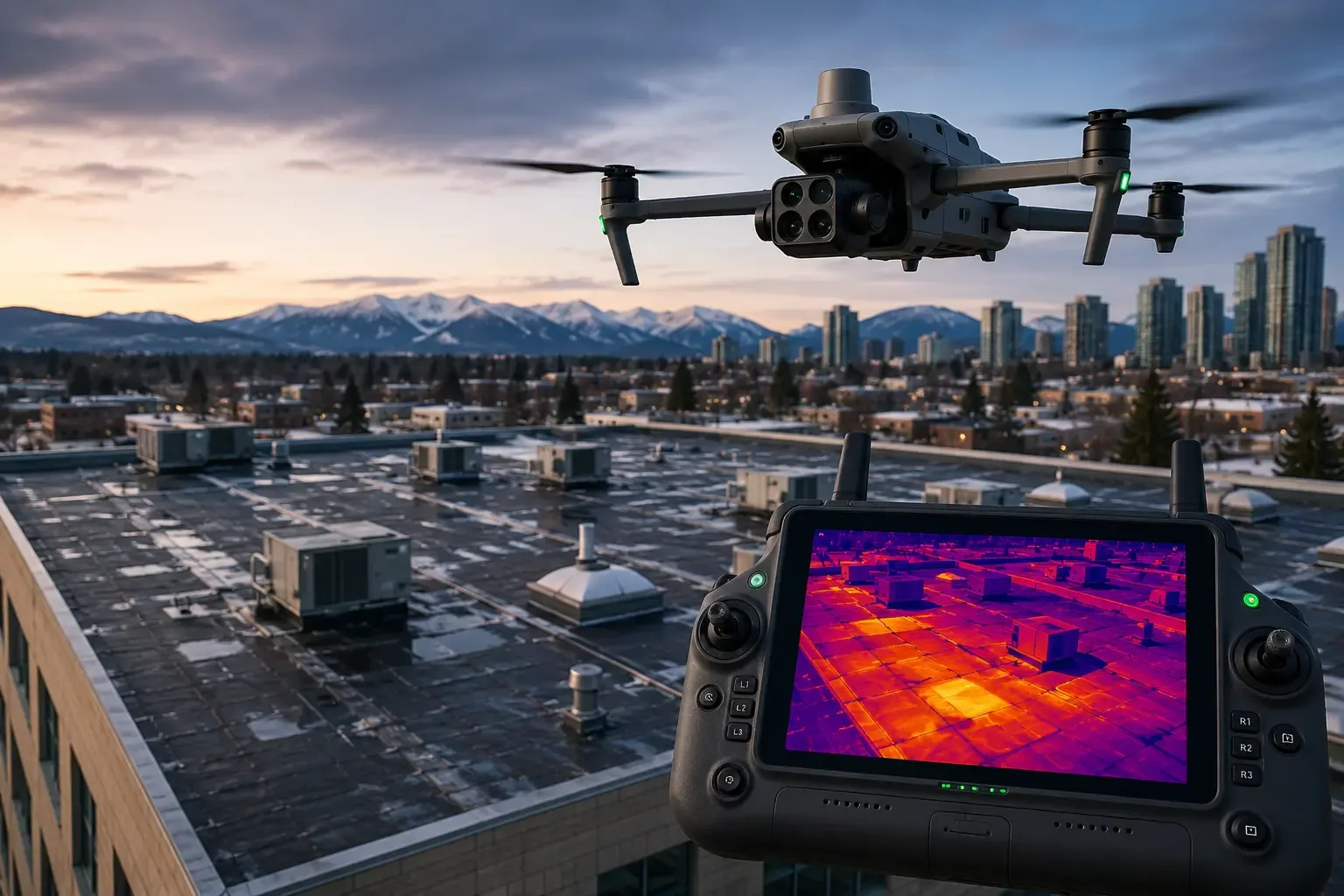
The moisture work follows a standard sequence. An infrared moisture survey at dusk maps warm patches where insulation holds water, and cores confirm the map at the spots that matter most. The scan covers the whole roof and the cores cover a handful of points, which is how a survey stays fast and still reaches a defensible number.
Where the surprises hide
Surprises hide in four places. Wet insulation under a dry-looking membrane. Multiple layers that limit what can go back on. Warranties that do not transfer or were voided by additions. And deferred repairs that never reached a work order. Each can change a price by more than the survey costs, and each is invisible from the ground.
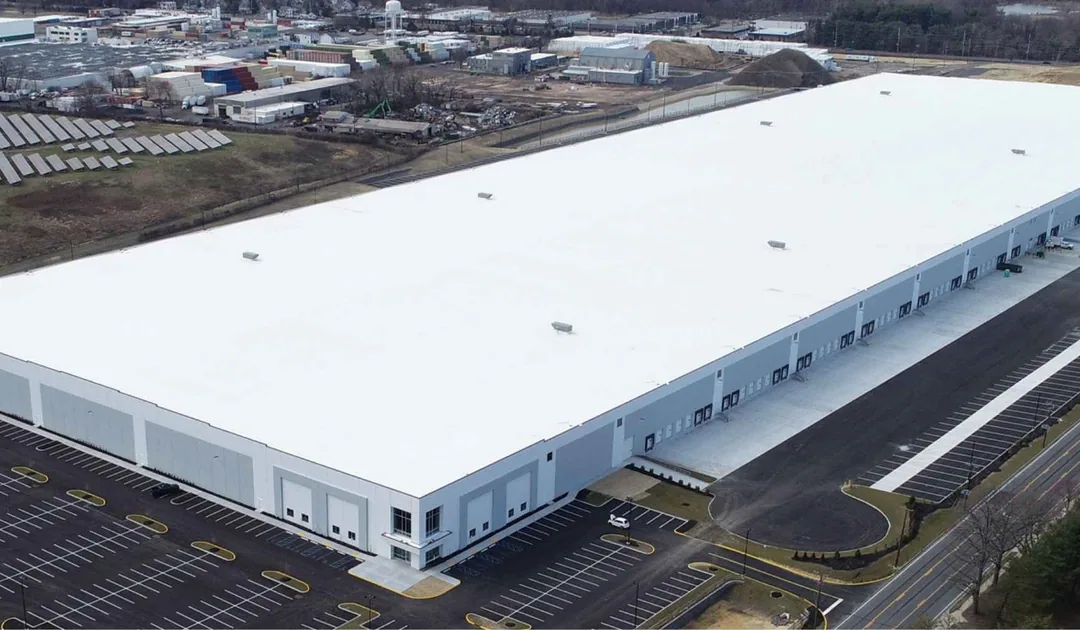
The island offers a wide range of assets: the retail center in New Springville, the Matrix Global Logistics Park distribution center that opened in Bloomfield in 2018, the container berths and rail yard of Howland Hook Marine Terminal, and the parkland rising on the old Fresh Kills landfill. The range shows why a buyer needs to see the roof on the specific building.
Investors weigh these findings differently from owner-occupiers. A real estate investor with a hold period of a few years wants to know what the roof will cost before the sale, while an owner-occupier wants to know how long it will last. The report carries both views, with the forecast broken out by year.
How the survey runs on a deal clock
Deals do not wait. We ask for the roof plan, the age, the warranty and the repair records on day one, schedule the walk within days and give the buyer a verbal summary within a day of finishing. The written report follows quickly. If the closing date is fixed, we prioritize the roofs most likely to drive cost and say what remains unmeasured.
- Roof plan, warranty papers and repair history, requested up front.
- Walk, probes, moisture scan and core cuts.
- Verbal summary first, written report second.
- A statement of limits, including areas we could not reach.
Cuts are patched the same day with matching material and photographed, so the seller sees the roof returned as it was.
Access is arranged with the seller's property manager. We ask for roof hatch keys, a contact on site, notice to tenants and a clear time window, and we bring fall protection, a moisture meter, a core cutter and patch material. A simple walk for a small building can finish in an hour, and a large complex takes a day or two.
Turning findings into a price
The report gives the buyer three numbers. First, what must be spent in the first year: repairs that stop leaks and protect the warranty. Second, what will be spent in the hold period: the replacement forecast with a range. Third, what could go wrong: the contingency for unknowns such as wet insulation. A buyer can use the first as a closing credit request, the second as a capital line and the third as a reason to ask for a price adjustment.
For a lender, the report supports a reserve sized to the roof. We connect the findings to roof capital planning so the forecast is ready for the model, and to roof condition reports for the supporting evidence. After closing, the survey becomes the first entry in a roof asset management register.
Cost drivers for the survey are the number of roofs, their area, access and whether scans and cores are included. We quote by building, price scans and cores as options and give a fixed fee where the scope is clear, so the buyer knows the cost before the clock starts. A follow-up commercial roof inspection after closing starts the register.
Weather and the island's record
A survey looks at how a roof has handled the island's weather. Two storms frame the question. Sandy's gusts reached 80 mph in October 2012, and the September 2021 rain of Ida brought a flash flood emergency to the whole city. The survey asks whether a roof has been through those, what repairs followed and whether a claim was made, since a storm history with no repair history is a warning. Winter loads matter as well. With the city's snow averaging about 29.8 inches a year and 27.3 inches on its record day, drains, drift zones and deck deflection are checked on any roof that has them. A shoreline roof is checked for wind-lifted edges first, and a roof in low coastal ground for ponding.
Insurance history deserves a question. A roof that has had storm claims should show the repairs that followed, and a roof with claims but no repairs is a roof that has been paid for and not fixed. We ask for the loss runs when the buyer has them.
What goes in the log
The survey file holds the roof plan, photographs, probe and scan results, core logs, the papers we reviewed, the ratings, the forecast and the limits. It is written to be handed to a lender, an insurer or a partner. Any code questions the survey raises go to the Department of Buildings, which publishes the 2022 NYC Construction Codes. For a buyer looking in Bloomfield or elsewhere on the West Shore, the roof plan and the closing date are where the work begins. For transfers, the survey also reads the warranty terms that roof warranty management would track after closing.
After closing, we can refresh the survey for the new owner, update the ratings with the repairs made and hand over a register that begins with a known condition.
Related Roofing Work
More roofing work that comes up alongside Due Diligence Roof Surveys.
Commercial Roofing Questions
How quickly can a survey be done?
Often within days, depending on access. We schedule the walk fast and give a verbal summary within a day of finishing.
Will the seller allow core cuts?
Usually, with notice, since each cut is patched and photographed the same day. We ask for access early.
What if the roof cannot be fully inspected?
The report lists what we could not see and the assumptions behind our numbers, so the buyer knows the limits.
Does a survey cover warranty transfer?
It reads the warranty terms and notes whether transfer is possible and what it requires.
Can the report be used by a lender?
Yes. It is written with ratings, costs and photographs that a lender can use to size a reserve.