Roof Coating Restoration in Staten Island, NY
Roof coating restoration in Staten Island, NY: moisture scan first, then silicone or acrylic coatings that extend sound commercial roofs.
Chalking on a gloved finger, hairline cracks across a seam, granules gone from a cap sheet along a sunny parapet return: when an inspector on a Staten Island roof writes these down, the question that follows is whether the roof underneath is sound enough to coat. A coating is a way to extend a roof that still has life in it, and for a facility director with a limited budget it can push a replacement out while the capital budget catches up.
Commercial Roofing Staten Island applies silicone and acrylic coatings to low-slope roofs on the island, and we say so plainly when a roof has gone past the point where a coating helps.
The test that decides it
Coating works only over a dry roof, so the first step is a moisture scan followed by core cuts at the suspect areas. A scan after sunset shows wet insulation as a warm pattern, and a core confirms what the scan suggests. If more than a small share of the roof is wet, the coating question is closed and we say so in the report, with photographs of the cores.
The same walk records the surface: the membrane type, the seams, the blisters and splits, and the places where earlier patches have failed. An adhesion test with a sample of the proposed coating tells us whether it will bond to the existing surface, and a ponding survey shows whether standing water will test the coating's limits. Everything goes in the inspection log before a price is written.
Preparation is most of the job
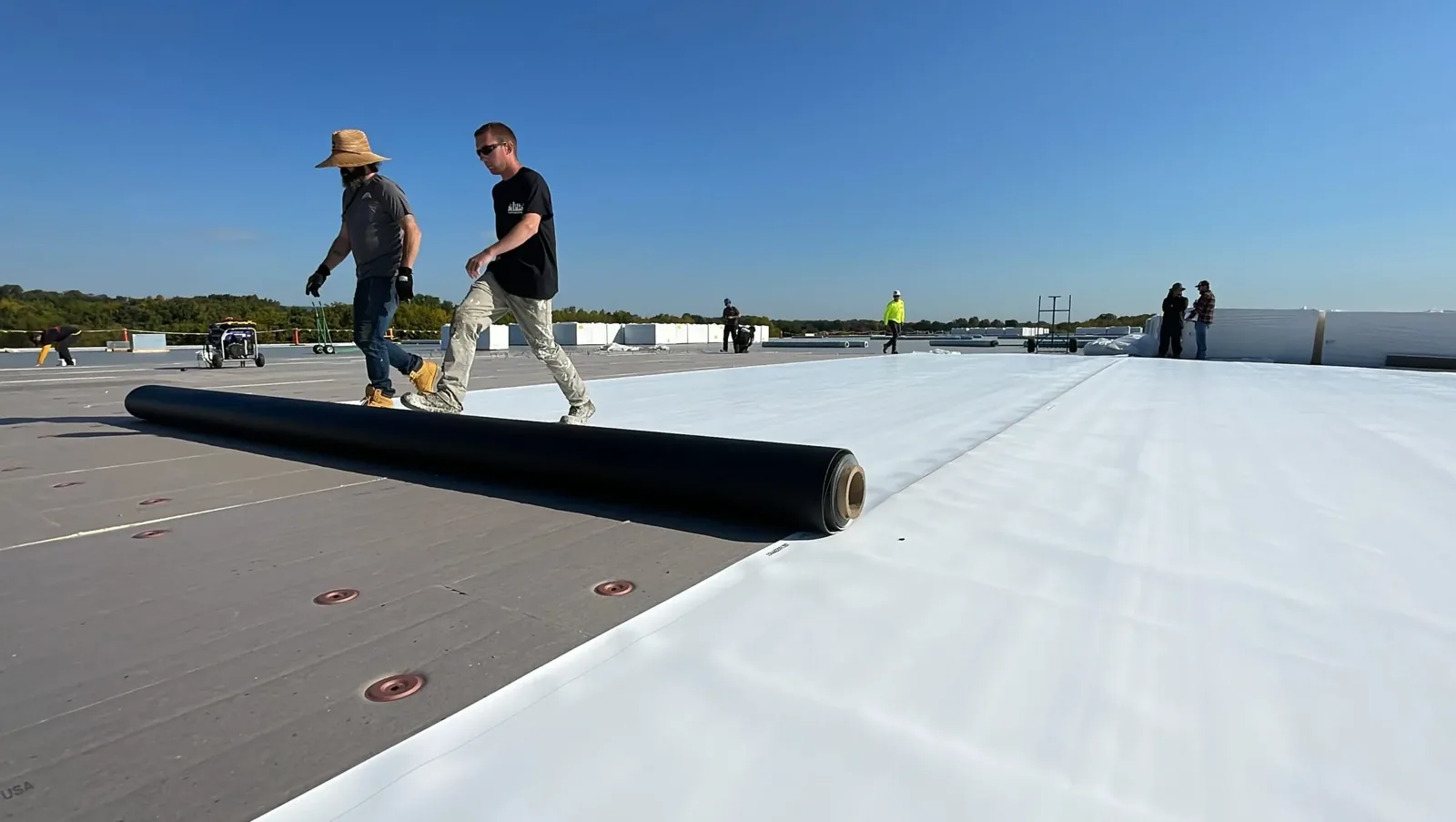
A coating is only as good as the surface under it. The roof is power washed, loose material is removed, seams are reinforced with fabric and sealant, and punctures and splits are repaired with compatible patches. Flashings, curbs and penetrations are treated one at a time, since those are the places where a coating most often fails.
Primers are used where the existing surface requires them, and drains are cleared and protected so overspray and debris stay out. Penetration flashing is reworked before any coating goes on, because coating over a failed boot only hides the failure for a season. This stage is where the schedule is most often won or lost, and where the bulk of the labor sits.
On a metal roof, the prep list changes: fasteners are backed out and reset or replaced, panel laps are sealed and rust is wire brushed and primed before the first coat. On a single-ply roof, the surface is cleaned with a product that suits the membrane, and seams are probed for open edges. Each step is photographed and added to the log, so the owner can see what lies under the finished surface.
Silicone, acrylic and where each fits
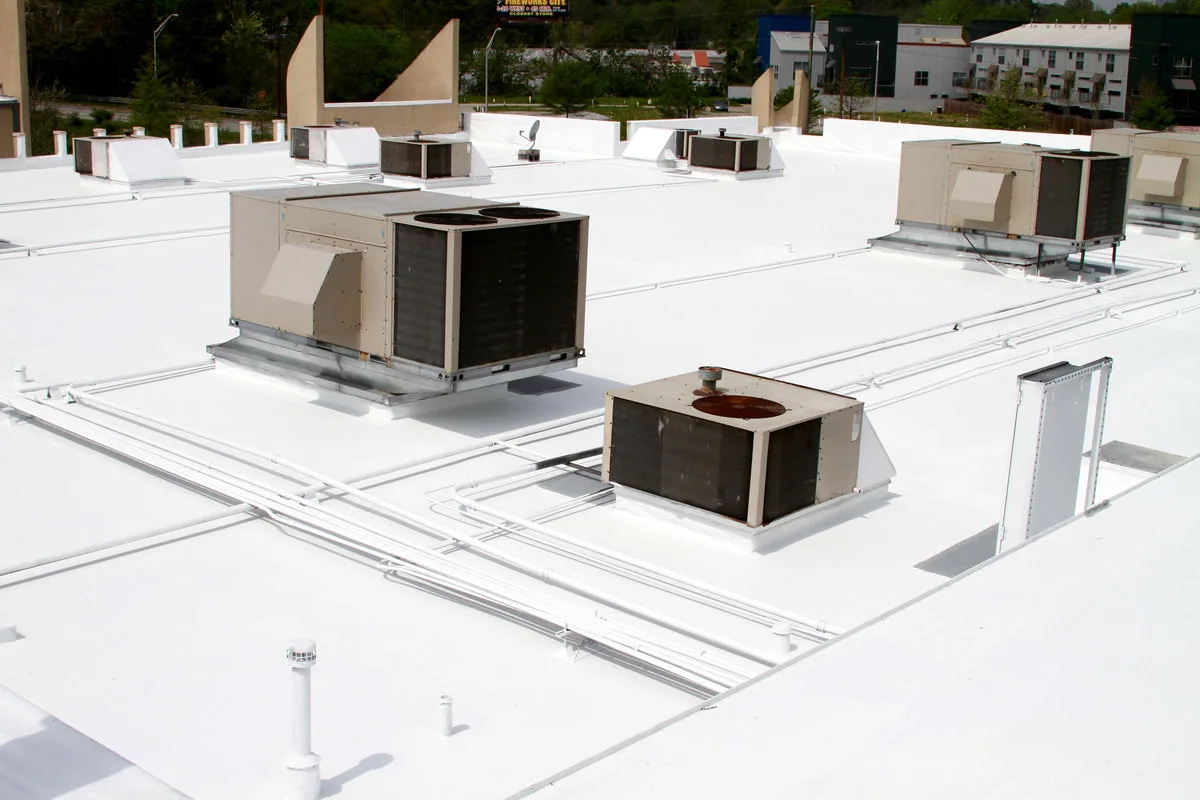
Silicone coatings tolerate standing water well, which makes them a common choice on roofs with minor ponding. Silicone roof coatings bond well to many existing surfaces but are slippery when wet and attract dirt, which affects service crews. Acrylic coatings cure quickly, resist UV and cost less per coat, but they do not like prolonged ponding.
The choice follows the roof. A ponded seam near a drain argues for silicone, and a sloped roof with no ponding can take acrylic roof coatings at a lower cost. Other options, such as polyurethane or spray foam with a top coat, suit specific conditions, and we describe them in the report when they apply.
Where a coating is the wrong call
Some roofs should not be coated. A membrane with widespread splits, saturated insulation, structural movement or deep ponding that will not drain has passed the point where a coating restores it. Coating a wet roof traps moisture and often leads to blisters within a season.
The roofs that deserve the closest look are older built-up and modified bitumen roofs with years of patches, and ballasted roofs where gravel has shifted and exposed the membrane, whether that is a low commercial building in Mariners Harbor near the Kill Van Kull yards or a retail roof in New Springville, home of the island's largest retail center. Retail roofs tend to carry many curbs and drains, and each one needs to be sound before a coating goes over it. We tell the director what we found, show the cores and recommend a recover or replacement. A coating that is declined at the report stage saves the owner more than one that fails in the second year.
Weather windows and island conditions
Coatings need dry surfaces, moderate temperatures and enough time to cure before rain. July's mean daily high of 84.9 F in New York City suits application, and 100 F days are very rare; the better windows are spring and fall, when dry days and mild temperatures line up, though spring is also the wettest season. We watch the forecast, apply in sections and protect each section until it cures.
Wind off the water along the North Shore and the South Shore complicates spraying, and overspray control is part of the plan. With 80 mph gusts on record from Sandy in October 2012, shoreline roofs get a wind cutoff written into the coating schedule, and spraying stops when gusts would carry overspray onto neighboring cars or a dock.
Occupied buildings and scheduling
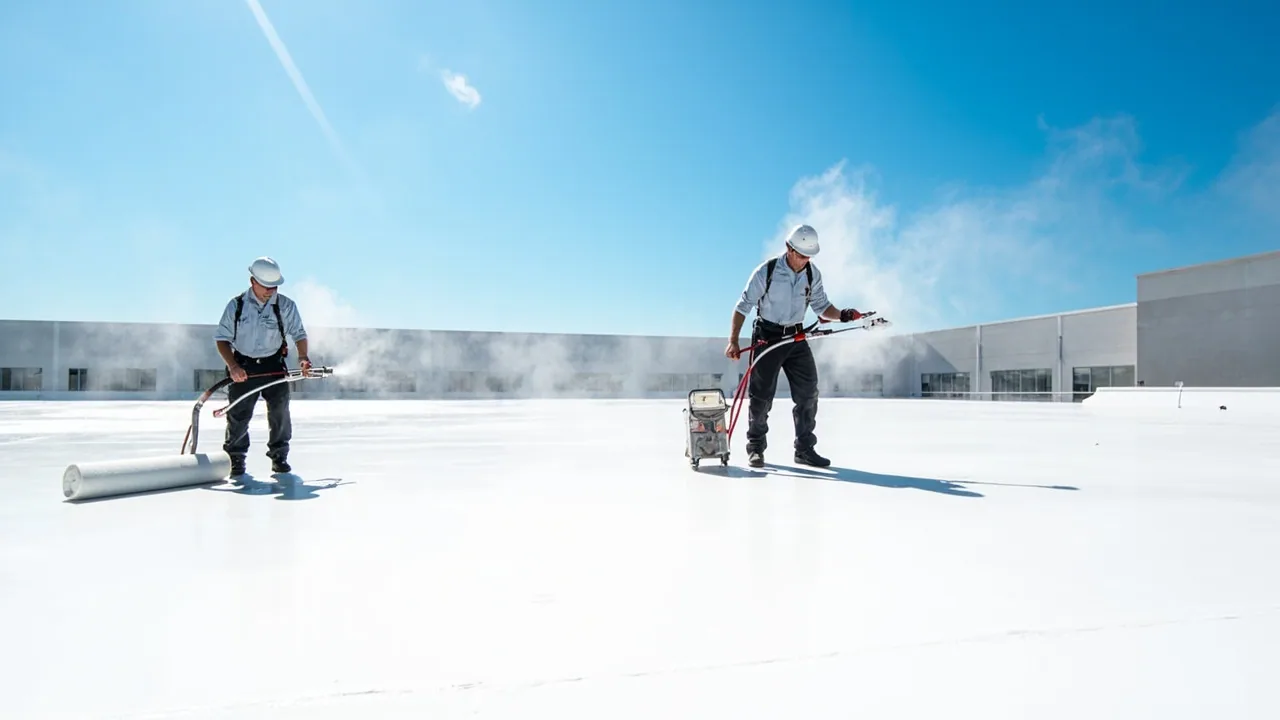
Coating is quieter and cleaner than tear-off, and it is easier to run around a working building. Odors from some products are a concern near air intakes, so we choose products and times that keep fumes out of occupied space, and tell tenants the schedule in writing. The roof is worked in sections, and walk paths are protected for mechanical crews.
Warehouses in Bloomfield and retail along Richmond Avenue can schedule coating around receiving hours and weekends. Occupied building reroofing practices apply here too: notice, controlled access and a close-out walk with photographs.
What drives the cost
Coating costs are driven by roof area, the amount of preparation, the number of penetrations and the system chosen. A clean, simple roof is cheaper than one with many curbs, and a roof with extensive repairs costs more than one that needs only seam treatment. Coat thickness matters, since a thin coat saves money on paper and wears out early.
Compared with replacement, coating avoids tear-off labor, disposal and a weather-exposed deck. The decision is financial as much as technical, and the report gives the director both options with a clear difference in expected service life, so the capital plan can be set with real numbers.
Related Roofing Work
More roofing work that comes up alongside Roof Coating Restoration.
Commercial Roofing Questions
How long does a roof coating last?
It depends on the system, the thickness and the roof's condition, and a manufacturer's data sheet for the chosen product gives the working range. We record the roof's starting condition so a later inspection can compare.
Can we coat over a roof that has leaked?
Only after the leak is traced and the wet insulation is found. We repair the entry, cut out wet sections and then coat. A coating over trapped water blisters.
Does coating fix ponding?
No. A coating tolerates minor ponding if it is a silicone, but a real pond needs slope correction or a new drain. We say which applies.
Will tenants notice the work?
Less than with a tear-off. We schedule around intakes, protect walk paths and give a written schedule. Odor from some products is managed by product choice.
Is a coating a replacement?
No. It extends a roof that is still sound. If the cores show saturated insulation, the report recommends a recover or replacement.