
Fitness Center Roofing in Staten Island, NY
Fitness center and gym roofing in Staten Island, NY: rooftop unit curbs, humidity versus leak diagnosis and quiet work around member hours.
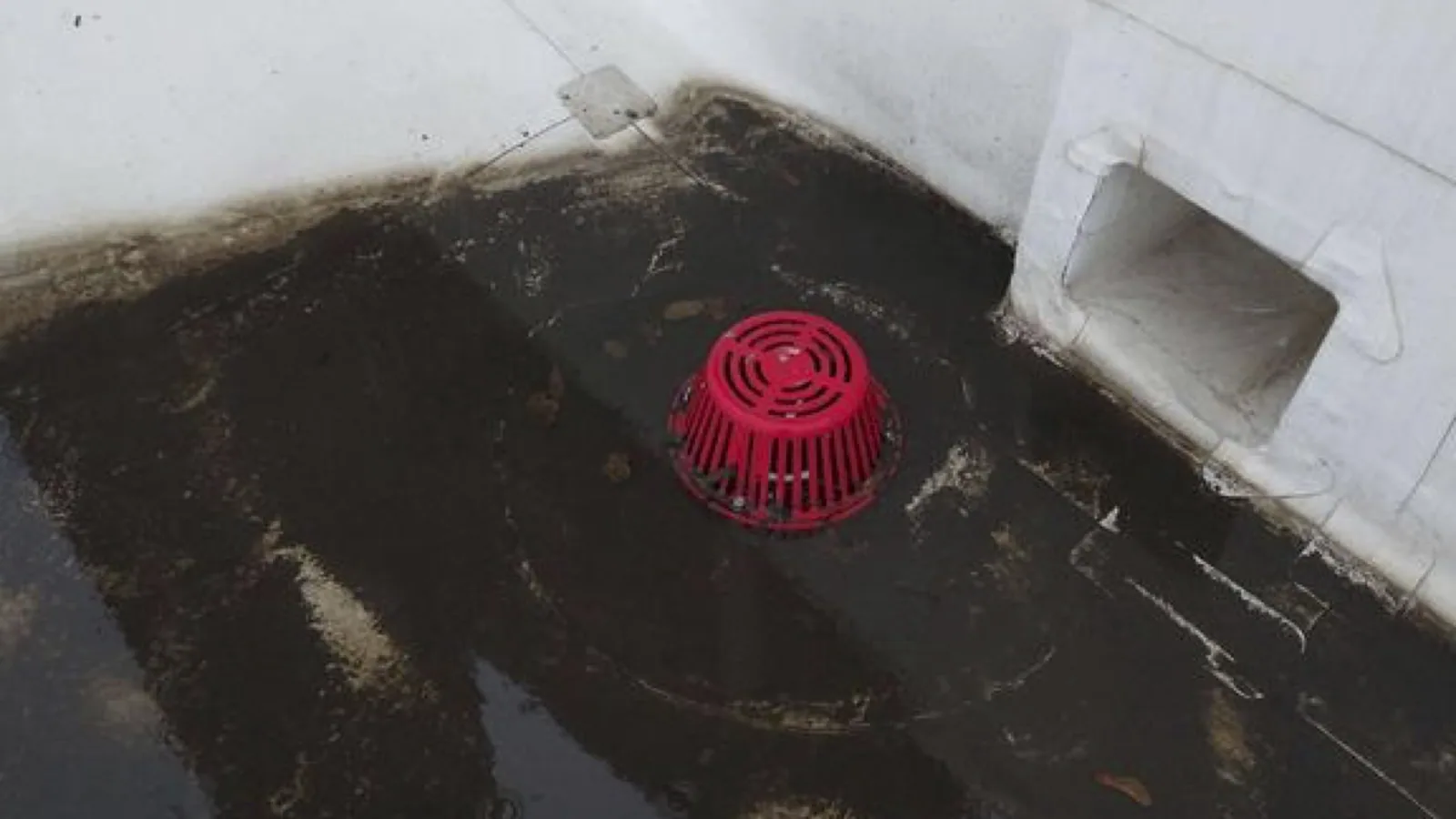
A rooftop unit whose condensate line empties straight onto the membrane, next to a drain strainer packed with grit above a spin room, is the first thing an inspector writes on a gym roof, because the notebook has to record water in two directions, the water that comes in from outside and the moisture that builds up inside. Commercial Roofing Staten Island repairs and replaces roofs on gyms, recreation centers, studios and fitness clubs across the island, and the report separates a roof leak from a humidity problem so the right party fixes the right thing.
A fitness building is a large, loud, humid room under a roof that carries heavy equipment, and the roof plan reflects all three.
Interior humidity and what it does to a roof
People exercising release a lot of moisture, and pools, saunas and steam rooms release more. Warm, humid interior air rises to the roof deck, where it meets a cooler surface and condenses. In a poorly vented or poorly sealed assembly, that condensation soaks insulation from below and looks exactly like a roof leak.
We separate the two causes with a moisture scan, core cuts and a look at the vapor control layer. A leak shows wet insulation near an opening, while condensation shows a broad pattern across the cool parts of the deck. If condensation is the problem, the fix is in the air handling or the vapor retarder, and no amount of patching will help. The log says which it is, with photographs of the cores.
Rooftop units, exhaust and condensate
Gyms run large rooftop air handlers, exhaust fans and make-up air units, and these heavy machines sit on curbs that need good flashing. Vibration from running equipment loosens fasteners and cracks sealant, and condensate lines drip on the membrane. A unit that has been replaced with a larger one may sit on a curb that no longer fits.
We inspect every curb, check the flashing, reseal where needed and add walk pads along service routes. Equipment curbs and supports in a gym are a recurring item, and the log tracks them by unit number. Condensate lines are extended to drains or splash blocks so they stop wearing the same patch of membrane.
Large rooms and long spans
Basketball courts, group fitness rooms and pool halls need open space, which means long structural spans with a lightweight deck. The roof is wide and the drains few. A clogged drain loads the deck with water, and a ponded area on a long span can be heavier than it looks.
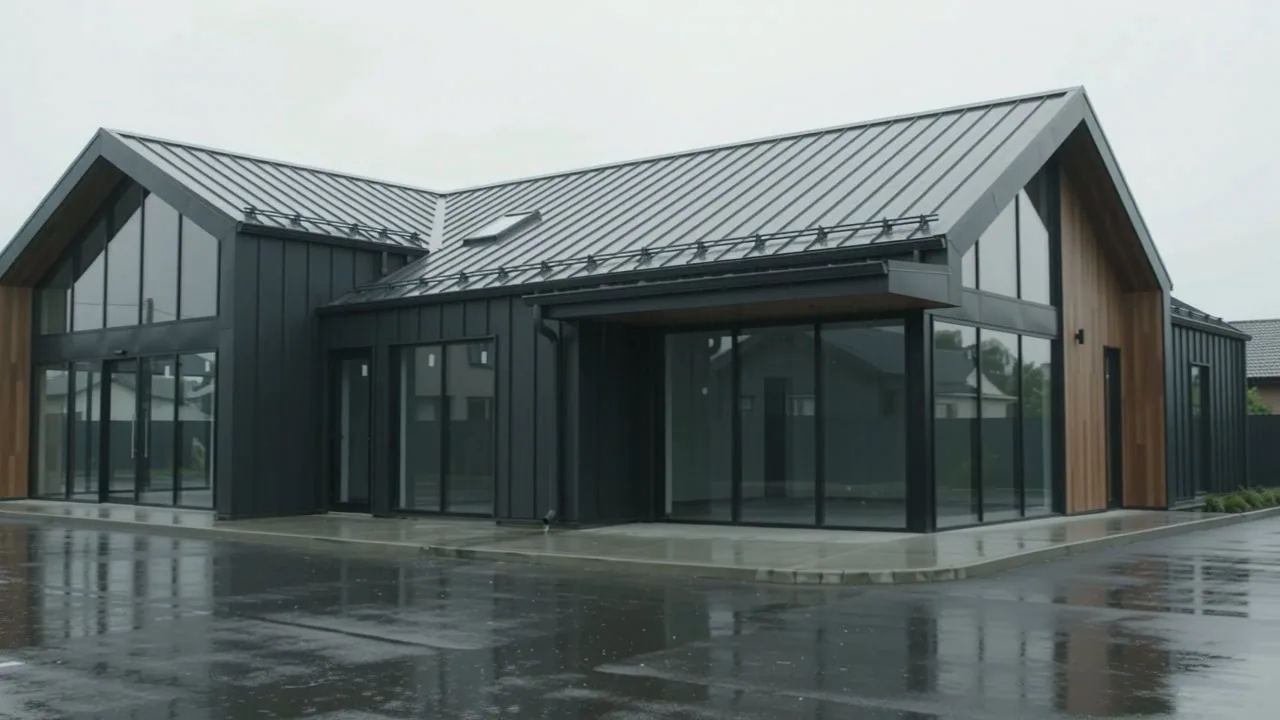
We check the drains and overflow first, then measure ponding. A drain or scupper upgrade is often the best first step, and a tapered insulation system corrects broader slope problems during a recover. On metal roofs over fitness rooms, the fasteners, laps and sealant are checked run by run, and coatings extend sound panels.
Pool halls, saunas and the vapor layer
A pool hall is the hardest room for a roof. The air is warm and saturated, chlorine and other chemicals reach metal and sealants, and the deck above is exposed to condensation every day. The roof assembly needs a continuous vapor retarder on the warm side of the insulation, tight seams at every penetration and ventilation that keeps the air moving.
When we open a pool-hall roof, we look at the underside of the deck for rust, at fasteners for corrosion and at insulation for saturation. Repairs include sealing penetrations from below, replacing corroded fasteners and rebuilding the vapor layer when the roof is replaced. Material choices favor corrosion-resistant metals and sealants. The building's mechanical engineer should confirm the ventilation, because no roofing repair will keep a roof dry if the air handling does not control the humidity below it.
Noise, odor and member hours
A gym has peak hours, early mornings and evenings, and quiet midday periods. Roof work is scheduled for the quiet ones. Tear-off noise inside a yoga studio or a child care room is a complaint risk, so we favor quieter methods and warn staff before the loudest steps. Odor from adhesives is kept away from intakes and open doors.
The roof is worked in sections with a daily dry-in, and interior protection goes over any area where a ceiling is below an opening. Occupied building reroofing practices apply, with an extra step: we meet the club manager to agree a notice sign for members. A short written plan goes up at the front desk, and staff get a phone number for questions during each shift.
Strip centers, standalone clubs and school gyms
Fitness tenants often occupy space in larger shopping centers, where the roof is shared with other tenants. Along Hylan Boulevard, retail development extending from New Dorp Lane produced five shopping centers with supermarket and department-store tenants, and the roofs of centers like these are usually the landlord's responsibility, as they are on any shopping center roof. In New Dorp and Eltingville, a gym tenant may share a roof with a grocery or a restaurant, and the log tracks each tenant's equipment.
Standalone clubs and community recreation buildings own their roofs outright and plan capital cycles. School and campus gyms, which share their needs with school roofs, follow a calendar tied to the academic year. Each type calls for a different schedule, and the report is written for the person who pays.
Wind, rain and snow on gym roofs
Wide gym roofs with large units catch wind like Sandy's 80 mph gusts of October 2012, so edge metal and unit tie-downs are checked before storm season. A roof with few drains over a pool hall or a court is exposed to the kind of downpour that set off Ida's flash flood emergency in September 2021. Snow load on a long span matters, with the city averaging 29.8 inches in a year, with January 23, 2016 dropping 27.3 inches in one day, and meltwater needs clear drains. A fall walk and a post-storm walk are the standard schedule. Wide gym roofs often carry a single large drain group, and one blocked leader can pond an entire court-sized area, so the fall walk includes flushing leaders and photographing what comes out. Heavy rooftop units also load the structure, which matters when ponded water or snow adds weight beside them.
Related Roofing Work
More roofing work that comes up alongside Fitness Center Roofing.




Commercial Roofing Questions
How can we tell condensation from a roof leak?
A scan and a core. Wet insulation near an opening points to a leak. A broad wet pattern across cool deck points to condensation. The cause decides who fixes it.
Can the roof be replaced while members use the club?
Yes. We work in sections, finish each one dry and schedule loud steps for quiet hours. A sign at the desk tells members what to expect.
Why does our rooftop unit keep leaking at the curb?
Vibration and age loosen fasteners and crack sealant. We reflash the curb, reseal the base and add a pad where technicians step.
Does a pool room need a different roof?
The humidity is higher, so the vapor control layer and ventilation matter more. We check the assembly and recommend changes with the building's engineer.
What should a club send first?
The roof plan, the age of the units and recent leak history. We walk the roof and report in plain terms. Add the date of the last unit replacement and any complaints about odor or damp air inside, since those point to ventilation as well as roofing. A photo of the worst ceiling stain and a note on which rooms it sits above help us start in the right place.