
School Roofing in Staten Island, NY
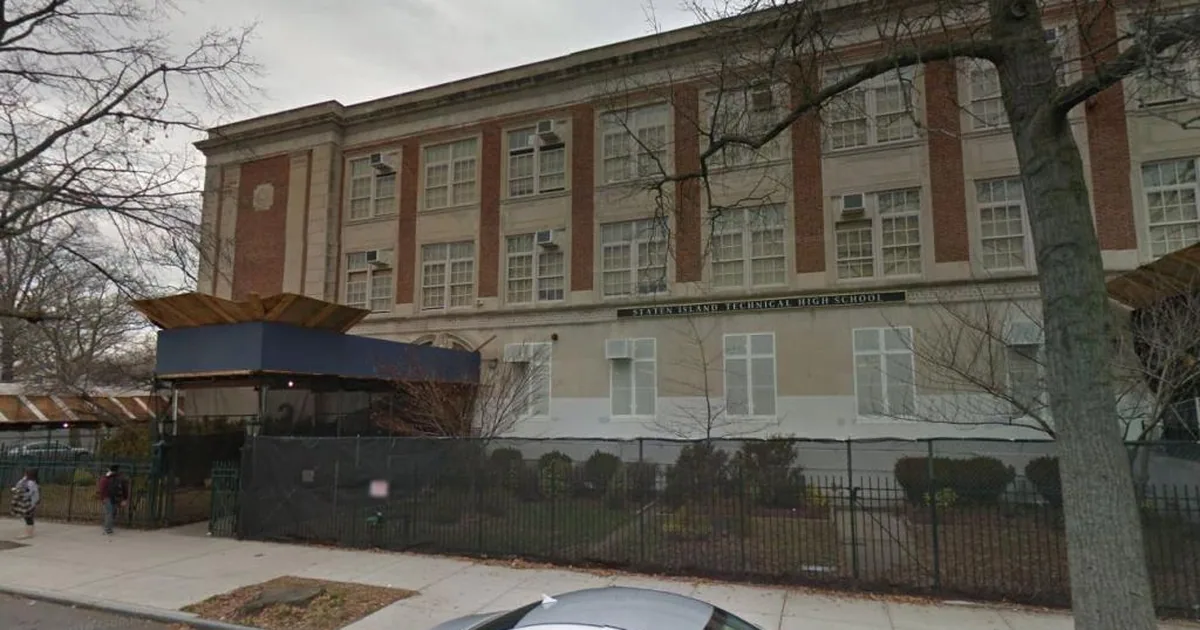
School roofing in Staten Island, NY for K-12 buildings: summer-window replacements, drain and gym-roof checks and phased repairs that keep classrooms dry.
A drift of wet leaves packed into the roof drain beside a gymnasium parapet is what an inspector writes down on a school roof in October, because the roof will carry that blockage through every storm until the next cleaning, and the gym floor is the most expensive floor in the building to ruin. The timing matters this season because a school roof has a calendar, and the calendar leaves only one long window for serious work.
The roof is read by wing. A school grows by additions, and each addition has its own roof, its own age and its own drains. A single campus can carry five roofs that were never meant to be one project.
Wings, additions and gym roofs
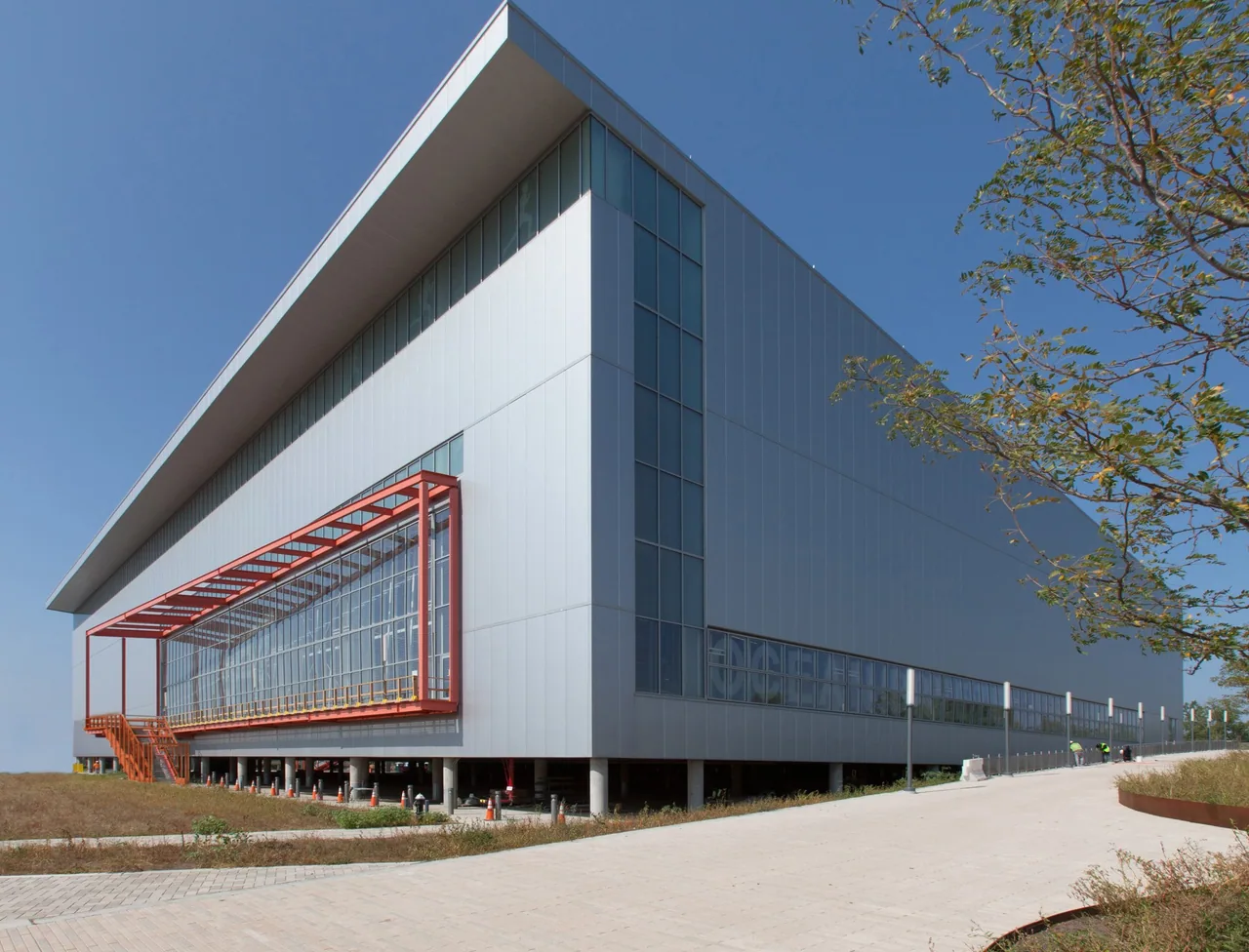
A typical school building has a main classroom block, a gymnasium or auditorium with a higher roof, a cafeteria wing and one or more additions. The gym roof is a wide span with few drains. The classroom block is a long, narrower roof with a parapet. Connectors between the two are low roofs that catch runoff from the higher ones.
Until the roof is opened nobody knows what any one school has on it, so every school survey starts with the same list: how many roof levels, what is on each, where each drains and where the valleys sit. Valleys where a high roof empties onto a low one wear out first, and that is where an inspector looks for ponded seams.
Gym and auditorium roofs share a trait with a fitness center roof: a tall volume, a wide span and heavy rooftop air handling. A leak there damages a floor and a ceiling at the same time, and the volume below is hard to dry. We check these roofs first and most often.
The summer window
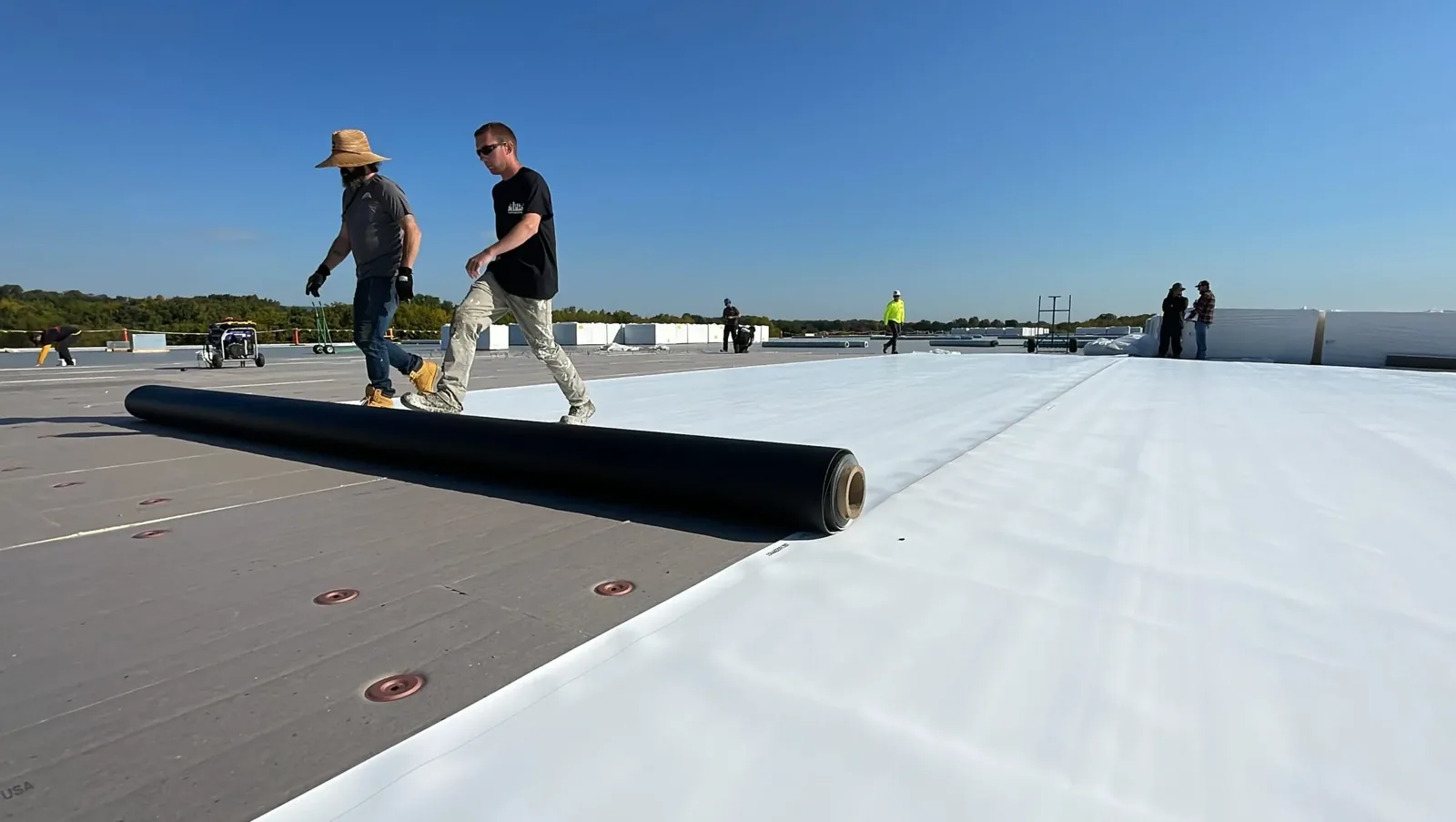
A school replacement is done between the last day of class and the first day of the next term, so the window is the summer break, and it fills early. Contractors book hoists, cranes and crews months ahead, and a roof that waits until spring to be scoped can miss the season. We plan school work in winter: survey in January, scope and bid in the spring, materials ordered before the end of the school year.
If a replacement cannot finish before term starts, the plan stages it. Sections are closed in order, the worst first, and any section left open is protected for the term and finished at the next break. A replacement on a school is one of the few jobs where the calendar is as important as the specification.
Weather in June and July can still interrupt the work. A summer thunderstorm can arrive with little warning, and a half-open roof must be closed in minutes. Crews watch the radar, keep tarps and sealed edges ready and stop adhesive work when the sky darkens. With July's mean daily high in New York City at 84.9 F, material handling accounts for heat too, and adhesives and membranes wait in shade.
Storm and winter checks
Sandy's floodwater took out entire blocks of houses in Midland Beach, New Dorp and Oakwood Beach in October 2012, and its gusts hit 80 mph, so a school in low-lying ground gets its wind-lifted edges and drain backups checked first. After any big storm, an inspector walks the roof before the building reopens.
Ida's flash flood emergency of September 2021 showed how a drain clogged with autumn leaves turns an ordinary storm into an interior leak. Snow adds its share: the city's yearly average is 29.8 inches, and 27.3 inches fell on January 23, 2016. We clear drains in October and again after the leaves are down.
Working around students and staff
Even in summer, a school is rarely empty. Summer programs, custodial crews and building staff use the site. We agree work zones, keep students and staff away from the lift area and protect play yards and entrances. During the school year, repairs are limited to quiet hours, with a flagger at the access point.
Safety rules for contractors on school property apply: background checks where required, sign-in, defined routes and no contact with students. Material staging is fenced and locked, and deliveries are scheduled away from arrival and dismissal.
Fire alarms, intercoms and security systems sometimes run through roof penetrations. We map them before the work starts, avoid cutting any line and coordinate with the building's maintenance lead. If a line must be moved, it is done in writing with the right trade.
What the scan shows
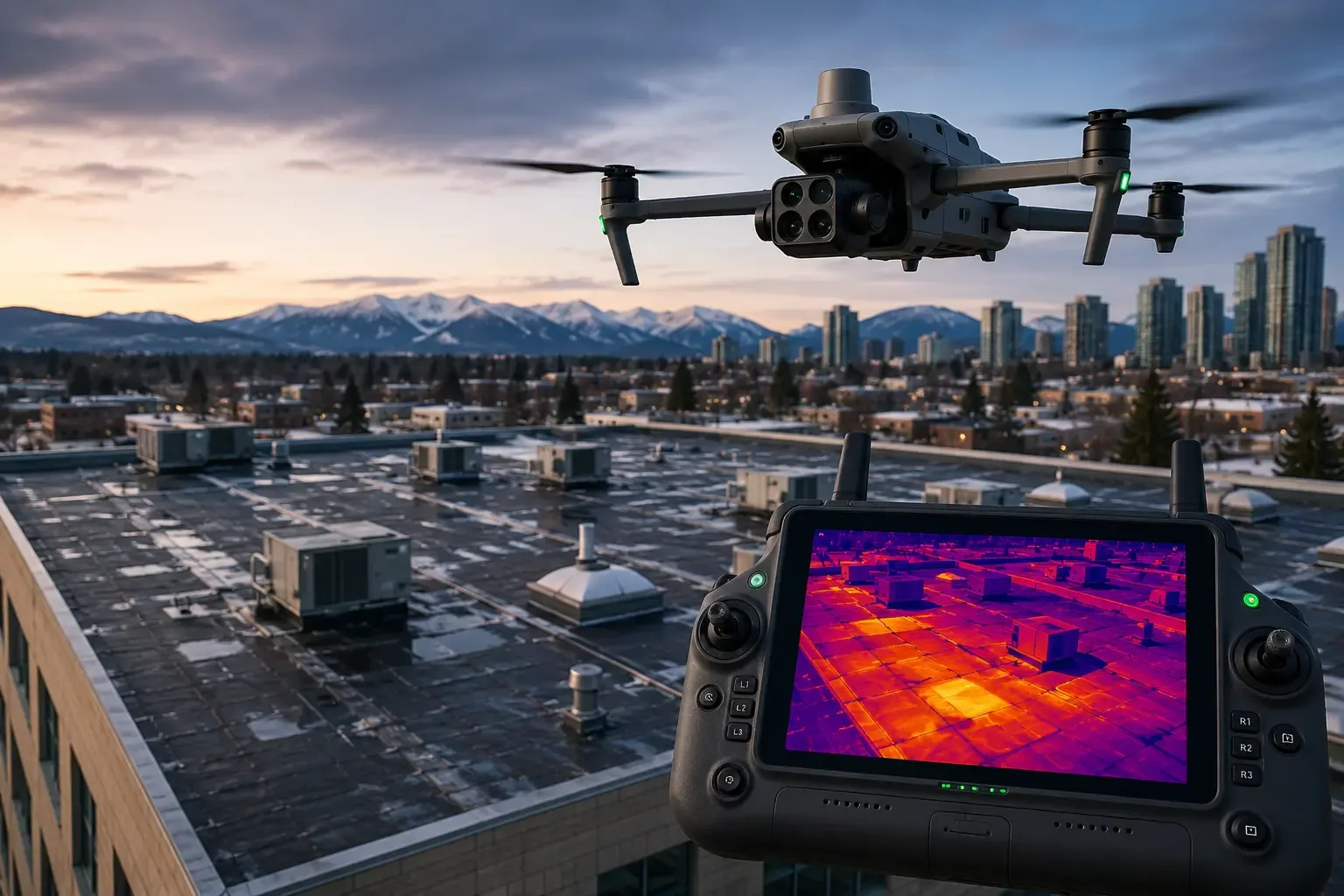
An infrared scan after sunset shows warm, wet insulation, and core cuts confirm the readings and show the layers. A moisture survey before the summer window lets the district decide how much roof to replace and how much to repair. A wing with dry insulation may take a coating. A wing with wet insulation needs the boards out.
Skylights and clerestories, common over gyms and corridors, are checked for glazing seals and curb flashing. Roof hatches and ladders are checked for safe access, since custodial staff use them to clear drains.
Parapets on older school buildings are brick or stone, and their coping and counterflashing carry the same wear as any masonry edge. We repoint where the mortar has failed, reset loose coping and flash the wall base before the membrane is laid.
Budgets, records and planning
A school district budgets across many buildings and many years. A capital plan that ranks every roof by condition lets the district spend on the worst first and defer the rest with evidence. Records matter: roof age, system, warranty and past repairs go into a file for each building.
Warranty paper is worth finding. A roof still under coverage needs repairs done in the way the warranty requires, and our log shows what was done and when. Facility directors working with a school district can use the same format across all buildings.
Procurement rules shape the paperwork. Public schools buy by specification and bid, so we write scopes in a form that supports competitive bids: quantities, unit prices, product categories and performance requirements. We do not name a single product where a category will do.
Parents and teachers ask the same question every time a ceiling tile stains: how long has this been going on. A dated photograph from each seasonal walk answers it, and the trustees see in one page which roofs held, which leaked and which are scheduled for summer work.
What goes in the log
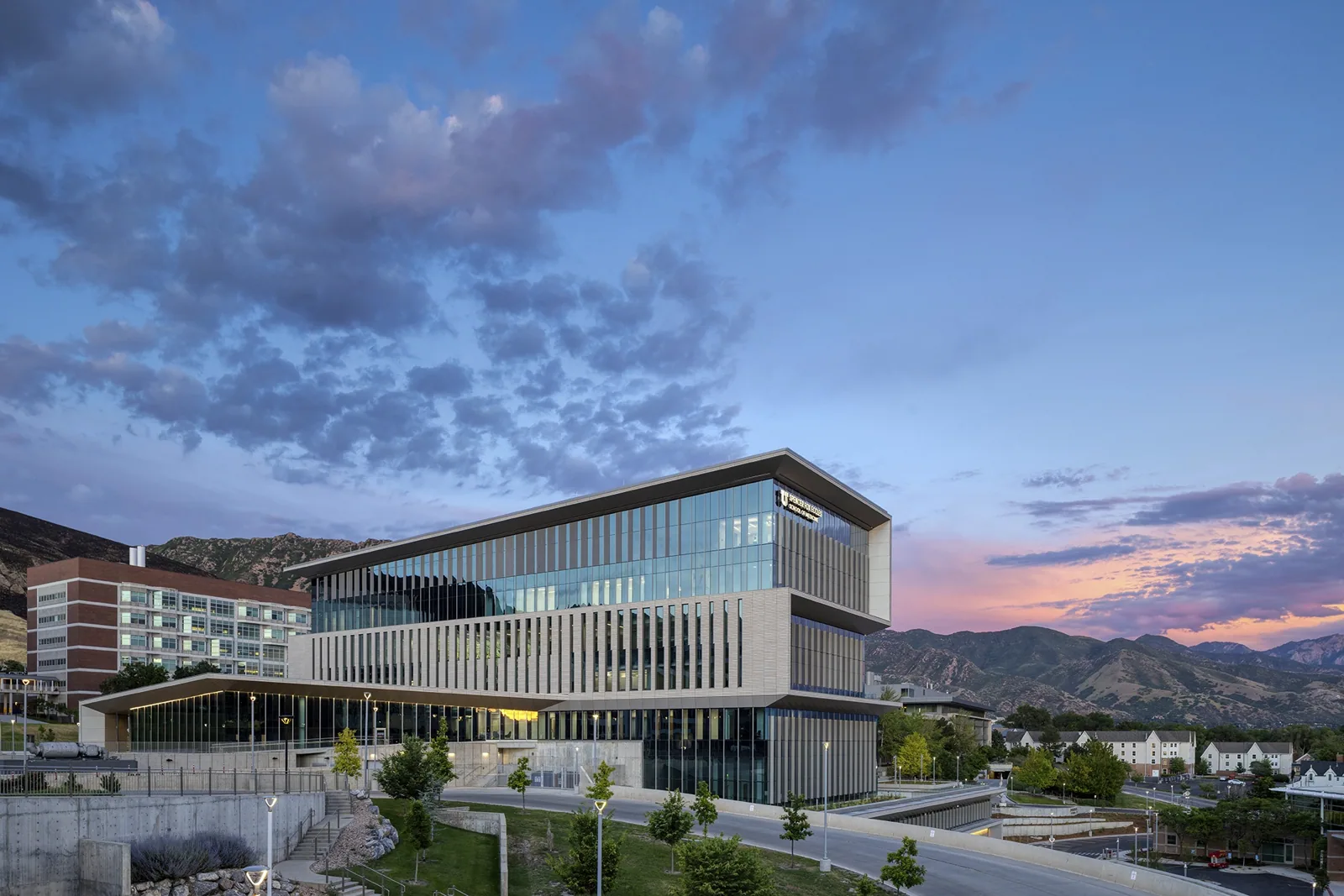
The log lists each roof level and its age, each valley and ponded seam, each drain with its strainer condition, each skylight and hatch, and the moisture map, and every line carries a photograph and a decision about timing. Directors near New Dorp and Great Kills get the same walk, and a campus with a college presence follows a similar calendar, as on a college and university roof.
Related Roofing Work
More roofing work that comes up alongside School Roofing.
Commercial Roofing Questions
When should a school start planning a roof replacement?
In winter, for a summer start. Survey, scope, bid and order materials before the school year ends.
Can roof repairs happen during the school year?
Small ones, yes, in quiet hours with a flagger. Larger work waits for the break.
Why do gym roofs leak more than classroom roofs?
They are wide spans with few drains, so water sits longer. Valleys where the gym roof meets lower roofs also collect runoff.
Do school roofs need special safety steps?
Yes: fenced staging, controlled access, sign-in and deliveries away from arrival and dismissal.
What if the replacement cannot finish before term?
We stage it. The worst sections are done first and any open area is protected until the next break.