
Holcim Elevate Roofing in Staten Island, NY
Repair and replacement of Holcim Elevate (formerly Firestone Building Products) EPDM, TPO and PVC roofs near the South Shore of Staten Island, NY.
A bubble the size of a dinner plate in a fully adhered sheet is the kind of finding an inspector circles in chalk, and on a Holcim Elevate roof in Staten Island, NY it raises the same question each time: is the pocket trapped air, or is it water sitting on top of the insulation. The maker, formerly Firestone Building Products, supplies commercial EPDM, TPO and PVC single-ply membranes, polyiso insulation and metal roofing components.
Commercial Roofing Staten Island repairs and replaces these roofs on the island, and with the island ringed by water, the work leans on the checks that wind and flooding make necessary.
One family, two names
A roof installed under the older company name is still the same family of product, so repair methods carry over without change. The sheet, the seam tape or weld, the board beneath and the flashing details are what we work with, and the name stamped near a hatch tells us less than the condition of the splice next to it. What the name change does affect is paperwork: owners who go looking for original drawings or warranty records should search under both names.
What we write is a plain report of what the roof is and what it needs, with each finding tied to a photograph and a spot on the roof plan.
Wind at the shoreline
Sandy's gusts reached 80 mph in October 2012, a surge of 9.56 feet stood at the north tip, and the water line in Oakwood rose to 7.9 feet above ground. Blocks of houses were swept off their lots by floodwater in Midland Beach, New Dorp and Oakwood Beach. Roofs near the South Shore flood line live with that history, and a membrane there is checked first for wind-lifted edges and then for drain backups.
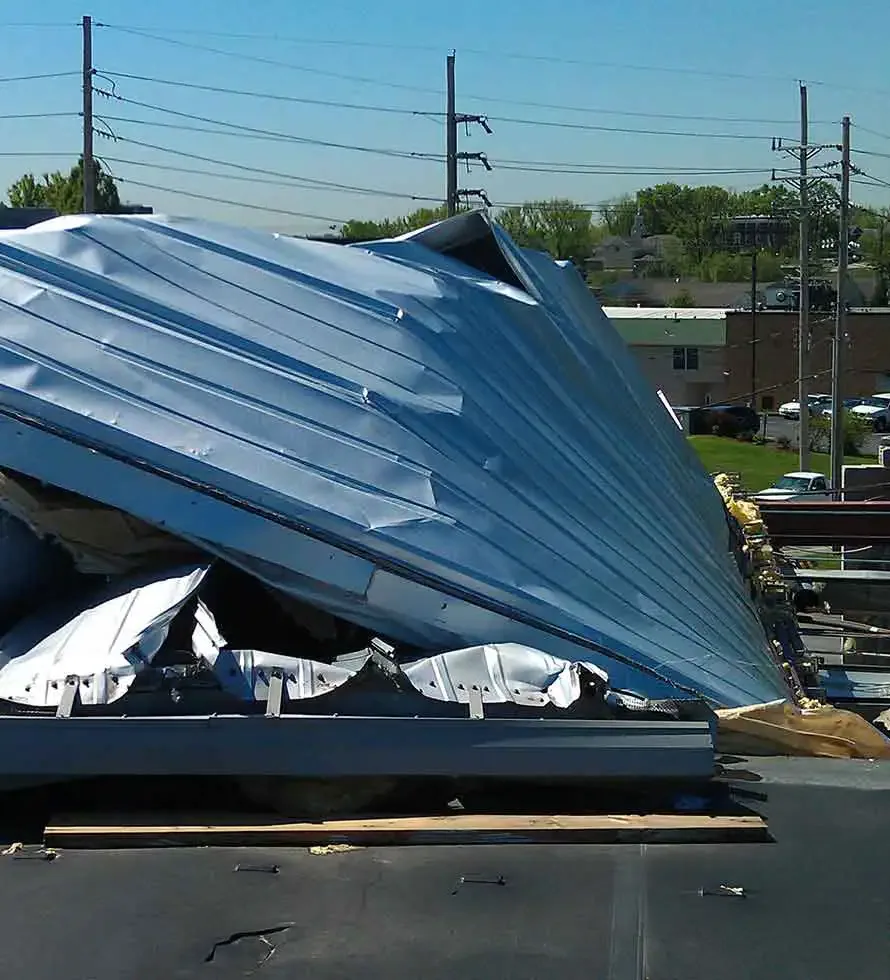
Great Kills Harbor, with its private marinas, and the Tottenville shoreline along the Arthur Kill are the kind of exposed edges where perimeter attachment matters most. What we look for on any exposed edge is a coping cap with loose fasteners, edge metal that has begun to lift, a termination bar that has lost its grip. The wind damage repair sequence starts at the edge and works inward.
Rain is the other half. In September 2021 Ida's rain set off the city's first flash flood emergency of its kind, and a roof whose scuppers and strainers were packed with leaves had nowhere to send that water. Flat roofs near the shore also lose drainage to blown debris after any big wind, so strainers are cleared and logged after storms as well as in spring and fall.
Details that leak first
On single-ply roofs in this family the sheet is rarely the first thing to go. The pipe boot that has cracked in the sun, the skylight curb whose flashing has pulled away at one corner, the seam that opened where two rolls meet at a drain: these are the findings that fill an inspection log. A fully adhered EPDM sheet can also shrink slightly with age and pull away from a wall, so the first foot of flashing at the parapet is examined by hand.
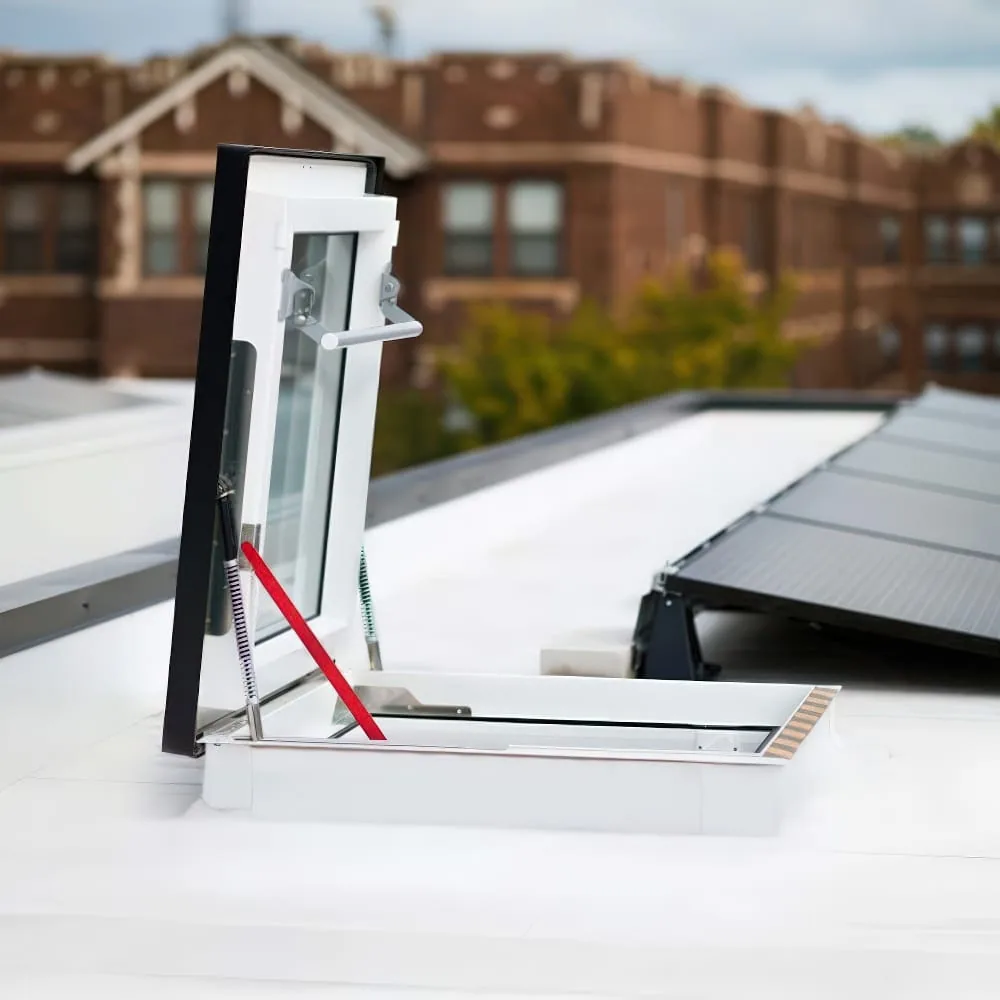
Our skylight and penetration flashing work replaces the failed detail with a formed flashing set into a clean substrate, not a wad of sealant. Sealant is a stopgap, and we note in the log when that is all a section got.
Buildings near the water
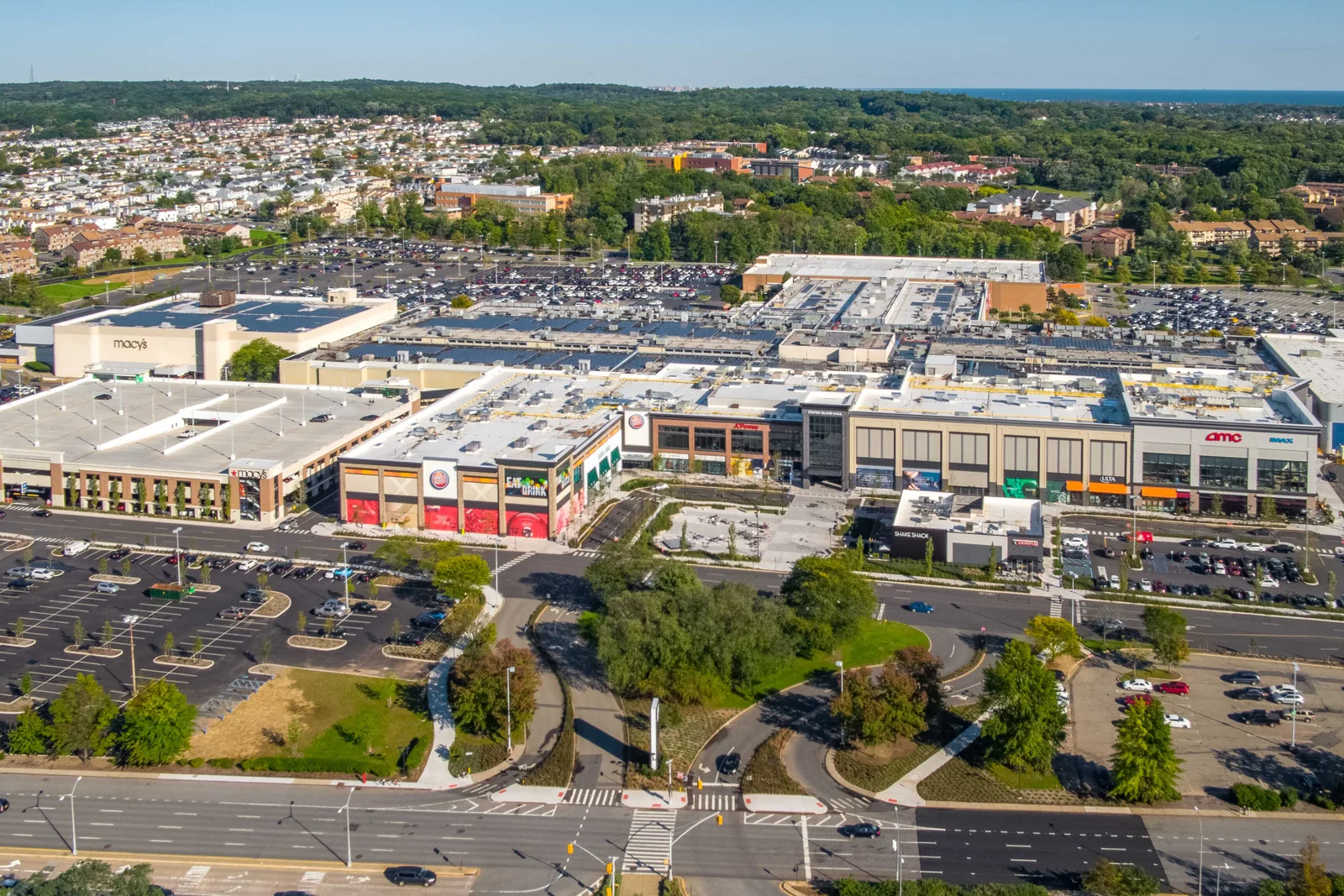
Retail runs along Hylan Boulevard, New York City's longest commercial roadway at about 14 miles, and the fact that it stretches from Rosebank to Tottenville means one boulevard crosses both the tidal South Shore and the interior. In New Dorp, the biggest of the boulevard's five supermarket and department-store centers is Hylan Plaza, which dates to 1966. A strip of that kind has a long run of rooftop units and a handful of drains, which makes it a good test of any single-ply system.
Closer to the Kill Van Kull, tug, dredging and dry dock firms work the waterfront in Mariners Harbor, and a roof there is worth a close look at its drains and edges. A shopping center roof in New Dorp gets the same walk as any other: edges, curbs, drains, then field.
Heat and the insulation under the sheet
July brings a mean daily maximum of 84.9 F in New York City, and 100 F days are rare, so heat is a modest stress compared with wind and water. A black EPDM sheet runs warmer than a white one, and it matters mainly to roofs with rooftop equipment that is already working hard. Polyiso board under the sheet can lose its edge if it has been wet, so moisture is the larger concern. We scan for it and cut cores at the doubtful spots, then size repairs by what the board has become.
The fix in order
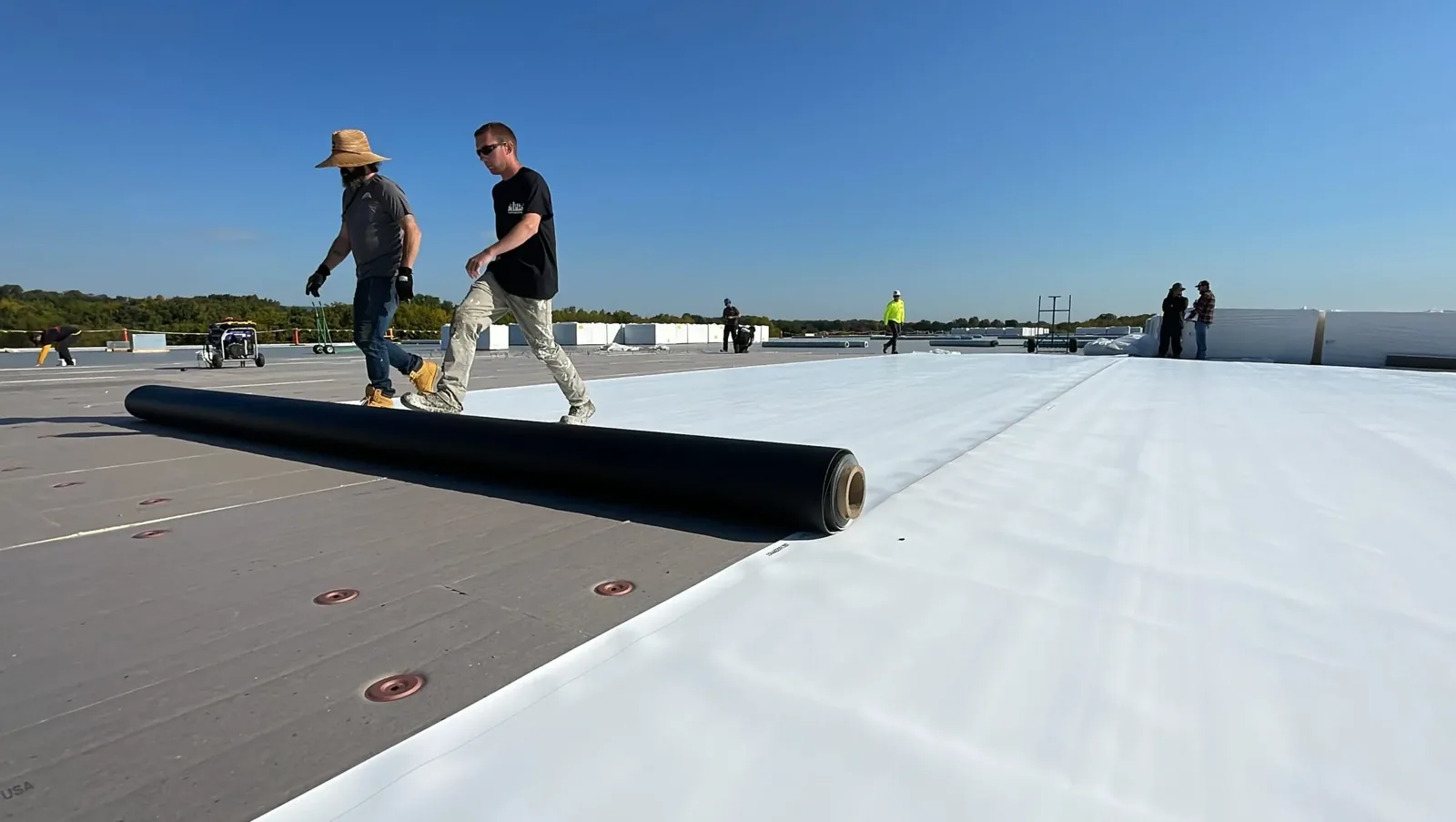
First comes the walk and the log. Then we clear drains, reset termination bars and recoat or replace failed sealant at the edges. Next come the membrane repairs, which means welding patches on TPO and PVC and taping on EPDM. When the roof has more wet board than dry, the choice moves up to a recover or a full replacement, and we put both prices side by side. A Johns Manville roof or a Versico roof goes through the same sequence.
Closeout walk
The last step is a walk with the facility director, probing the new seams and photographing every repaired edge. The photographs and the roof plan go into the log, and the first thaw or the first named storm gets a short follow-up look.
Winter gets its own entry. With average snowfall across the city near 29.8 inches, ice at a drain can turn a thaw into a pond on a single-ply sheet that is otherwise sound. We schedule a short look in late winter, after the first melt, to catch the lifted lap or the soaked corner before spring rain finds it. Tenants below hear about any rooftop work a day ahead, and loading docks and entrances stay clear.
Related Roofing Work
More roofing work that comes up alongside Holcim Elevate Roofing.
Commercial Roofing Questions
Does the name change affect how a roof is repaired?
No. Seams, flashing and insulation behave the same way under either name, and the repair follows what the roof is. The change only matters for finding old drawings, which may sit under the previous company name.
What is the best system for a roof close to the water?
The one with the best edge attachment and drainage. Exposure to wind and surge pushes us to look at perimeter securement, metal edging and drain capacity before the sheet type.
How can we tell whether our EPDM roof can take a recover?
We scan for moisture, cut cores and check the deck. A dry assembly with sound fastening can often take a new sheet over a cover board, while wet board means the wet sections come out first.
Can rooftop solar be added to a roof like this?
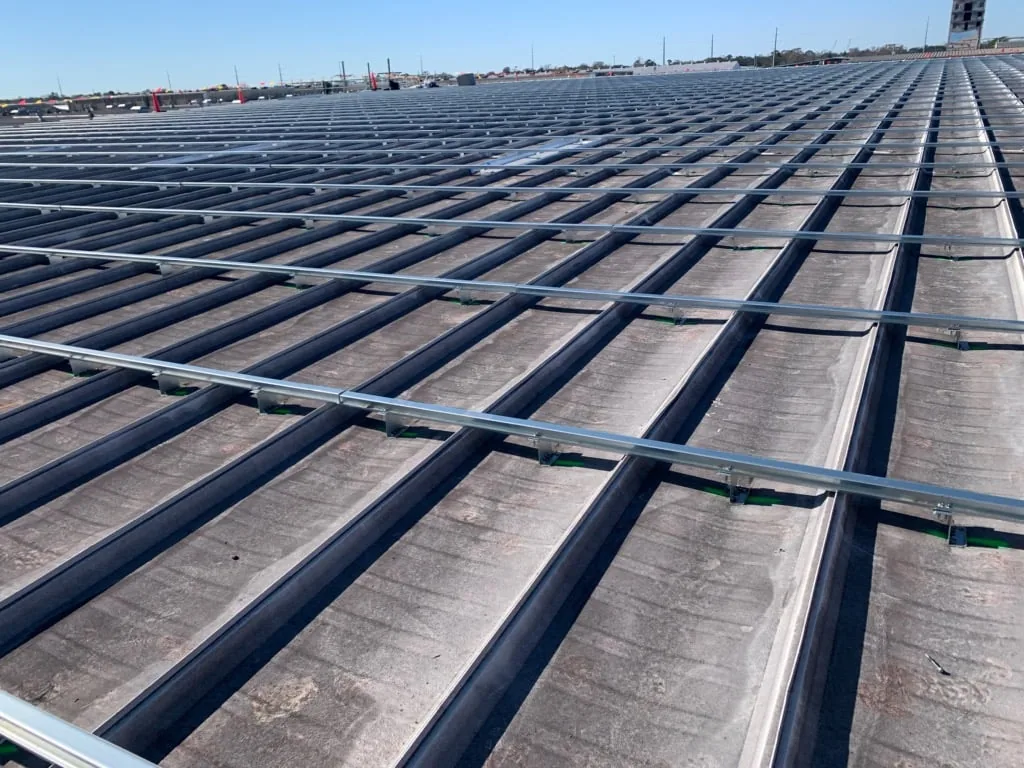
A roof with years left and no ponding can carry an array, and the solar-ready roofing checks cover ballast loads, attachments and walkways. A tired roof is better replaced first, since panels make later repairs harder.
What is the first thing checked on a roof with a leaking skylight curb?
The flashing at the corners of the curb and the sealant at its top edge. Most leaks there start at a corner where the sheet was cut and formed.