
Commercial Roofing in Woodbridge Township, NJ
Commercial roof inspection, repair and replacement in Woodbridge Township, NJ, from Avenel, Iselin and Port Reading to the Keasbey area, near Staten Island.
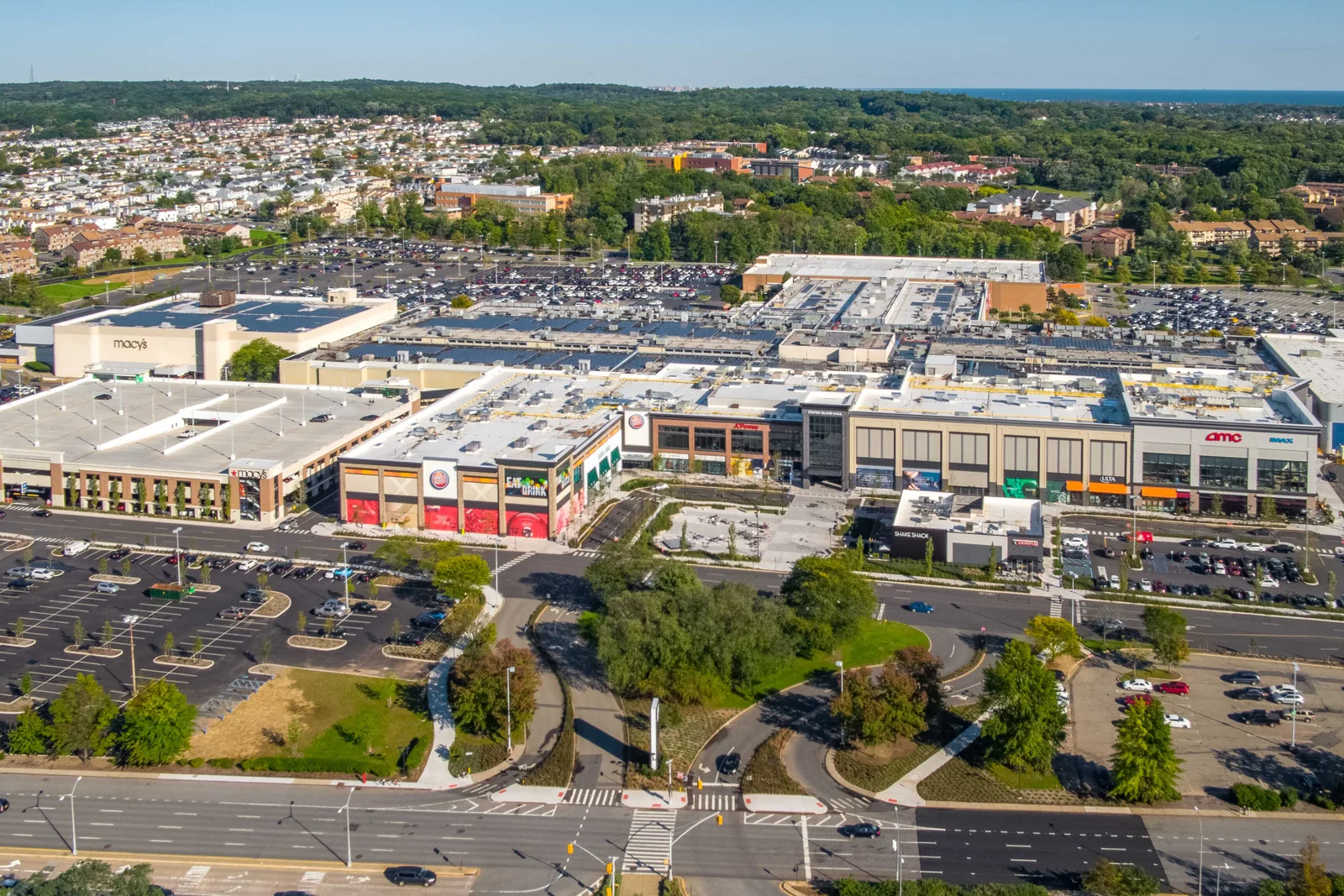
A very large mall, a food-industry headquarters and the Turnpike Authority's own base give Woodbridge Township, NJ a wider spread of commercial buildings than most places the island's crews reach, and a leak in any of them starts with the same quarter-inch of daylight under a coping cap or the same loose strainer in a sump. Commercial Roofing Staten Island takes on inspection, repair and replacement for the commercial roofs across the township, which includes Avenel, Iselin and Port Reading.
The township had 103,639 residents in 2020, and its commercial base is big enough to need its own planning. A property manager here may hold a mall roof, a few office roofs and a warehouse, and the job of the first walk is to rank them against one another, so the dollars go where the water is.
What the township holds
Woodbridge Center, the fourth-biggest mall in New Jersey, offers roughly 1,633,000 square feet of leasable space. In the Keasbey section, Wakefern Food Corporation, owner of ShopRite, keeps its headquarters. The Turnpike crosses the township over about 5.25 miles, and the Turnpike Authority is based there too. Each building is read from its own roof, whatever sits inside it.
The township's range of uses points to a range of roofs: enclosed retail with long runs and many units, office space with chillers and air handlers, and food and logistics space where a dry roof protects stock. The first walk decides which of those issues applies to the building in front of us.
What the inspector sees on a big retail roof
A large retail roof is a map of tenants. Each store has its own units, exhaust and vents, and each leak is traced to the tenant whose equipment sits nearest the entry point. The first entries on the walk are the drains, since a roof of that size has many and some are always partly blocked, and then the curbs, probed one by one for dried sealant and lifted flashing.
Service routes follow. Mechanical crews cross the same few paths to reach their units, and walk-pad wear shows where any route lacks a pad wears a groove into the sheet, and a groove is where the next puncture appears. Our shopping center roofing work marks every unit on the plan and every worn path in the log.
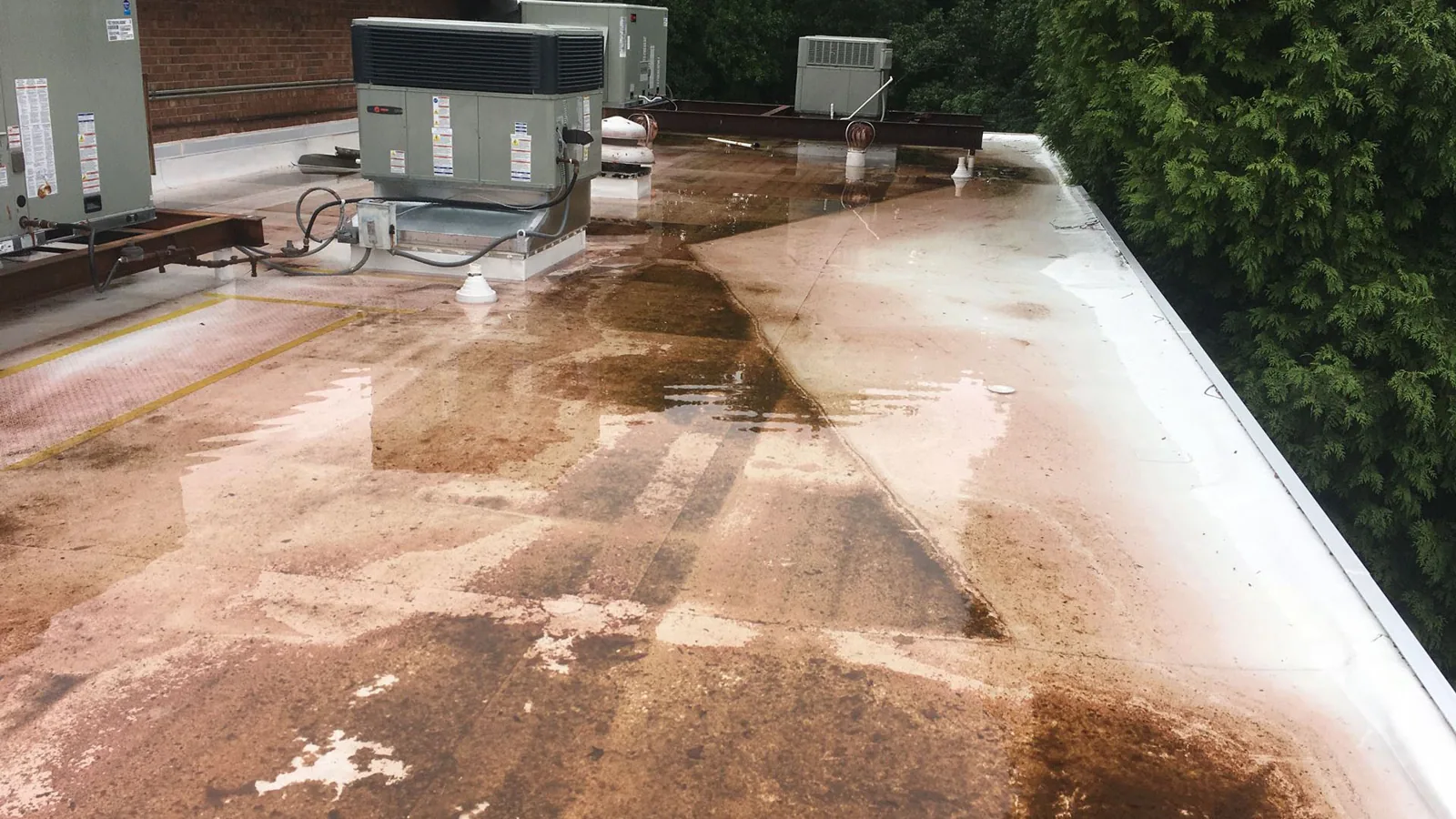
Ponding is the next entry. When rain has passed, the depth of water at each drain and the hours it takes to leave are recorded. A pond that is still there after a day or two points to a settled deck, a blocked drain or a cricket that was never built, and water left standing wears the membrane out at that spot and puts load on its seams. The ponding water repair that follows addresses the cause before the surface.
Penetrations get a count of their own. Every pipe vent and conduit gets a mark on the plan and a check for a split boot, a cracked pitch pan or crumbling sealant. A roof with fifty penetrations and four failures has a short list, and that list sets the repair bill.
Offices and the Turnpike corridor
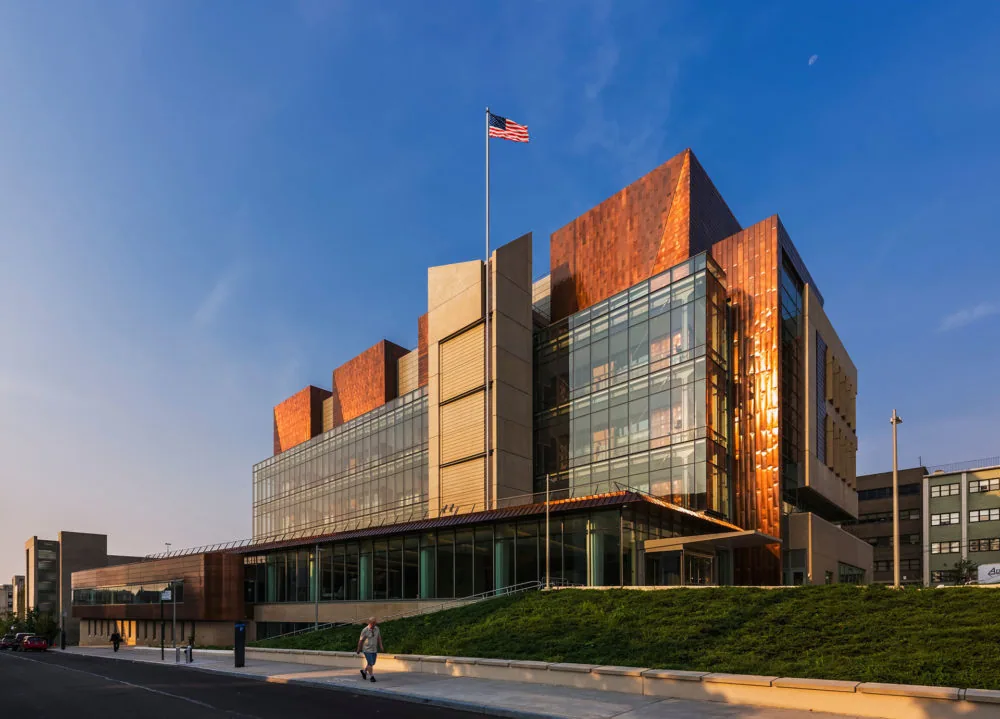
Office roofs carry rooftop plant, and tenants report their leaks as ceiling stains on a given floor, and the trace runs from the stain to the deck and out to the nearest penetration, drain or parapet. Where the stain sits far from any equipment, condensation from ductwork is a possible cause, and we say so before anyone prices a roof repair. The office building roofing routine starts with the stain and ends with a written trail.
Wind finds the perimeter of any large roof, meaning the edge metal, the coping and the first feet of membrane are checked for lift after strong wind, and fastener rows near the perimeter are tested by hand.
A property with several office buildings can ask for one report across all of them. The roofs are ranked together, the worst leaks first, and the owner sees which building needs money this year and which can wait. That ranked view is the point of the log: it turns a pile of tenant complaints into a plan.
Food, stock and a dry roof
Any building that stores food has a short list of things it cannot tolerate, and water is at the top, which matters in a township that is home to a major food company. Wet insulation over inventory is a cost that grows by the week, so the roof is scanned with infrared after sunset, when wet board holds heat and shows as warm patches, and cores confirm the result. A dry roof with scattered wet spots may need spot repairs, and a wet one calls for replacement.
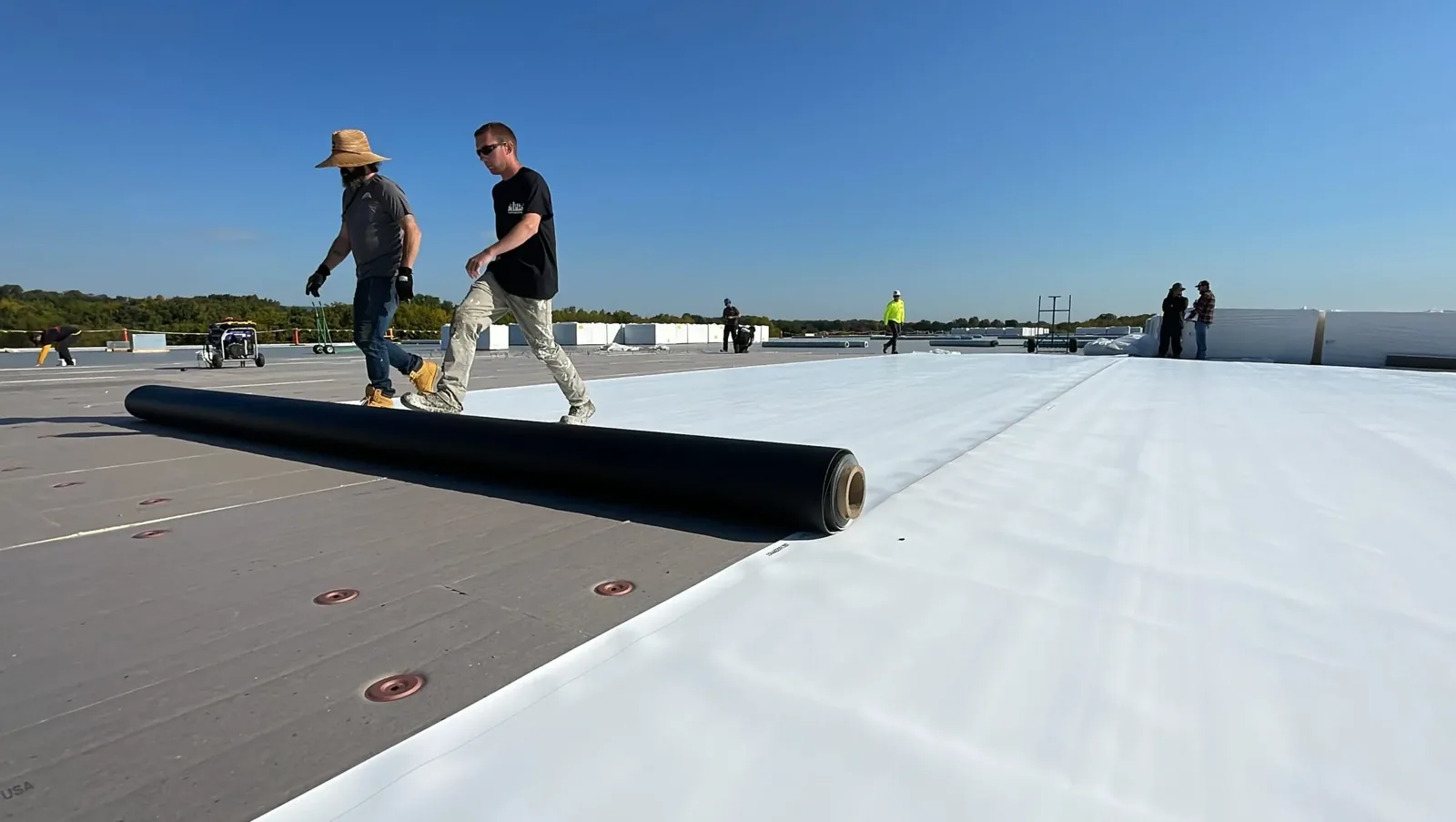
Hot work near stored food is also a concern, and flame-free methods are the default there: cold-applied adhesives, self-adhered sheets and heat-welded thermoplastics. The method is chosen with the facility manager, and the schedule follows receiving hours.
Weather and the seasonal list
Nearby New York City sees roughly 29.8 inches of snow in an average year, had 27.3 inches in a single day on January 23, 2016, and receives about 49.5 inches of precipitation, mostly in a wet spring. Sandy's October 2012 gusts hit 80 mph, and Ida's rain brought a flash flood emergency in September 2021. Together they set the seasonal list for a large roof: strainers and overflow scuppers cleared before wet weather, seams probed after the thaw, perimeters checked after wind. A preventive maintenance program of two visits a year keeps the list on a calendar.
Repair, restore or replace
The scan and the cores decide. A single failed area is repaired in the same material. A dry membrane that is weathered at the surface may suit a coating restoration. Wet insulation over a wide area needs replacement, and the proposal prices a recover beside it where the deck allows.
Cost follows the number of curbs and drains, perimeter length, deck condition and crane time far more than the sheet itself. Access, temporary protection and overtime for work around trading or receiving hours each get their own line.
Phasing is common on big roofs that cannot close. The section in the worst shape goes first, with a tie-in that drains on its own, and the rest waits on the list with a date. When the whole roof cannot be funded in one year, the leak is still stopped and the remainder is written into a plan.
Trading hours, receiving docks and the bridge
Retail roofs are worked before opening and after closing, with entrances and fire lanes kept clear. Receiving docks stay open, and material is staged away from truck routes. The Outerbridge Crossing and the Turnpike bring crews and loads from the island, and deliveries are booked early. Neighboring work in Perth Amboy and Carteret follows the same plan, and owners with buildings in several of these places keep one log format.
Related Roofing Work
More roofing work that comes up alongside Woodbridge Township.
Commercial Roofing Questions
How do you trace a leak on a roof shared by many tenants?
From the stain along the deck to the nearest penetration, confirmed with a moisture scan. Each tenant's units are mapped, so the entry point can be tied to a unit or a drain.
Can a mall roof be repaired during trading hours?
Quiet steps can run while entrances stay open. Noisy steps move to hours before opening or after closing, agreed with the manager.
What is different about a roof over food storage?
The ranking and the method. Findings over stock go to the top, and flame-free methods are the default near stored food.
A rooftop unit was replaced last year and now leaks. Why?
A new unit on an old curb often carries the old flashing, and the seal around its skirt may have been disturbed. We lift the skirt, check the curb flashing and rebuild it if it has failed.
Can one crew handle both a Woodbridge roof and an island roof?
Yes. The crews cross by the bridges and the Turnpike, and deliveries are timed to avoid peak traffic.