
Commercial Roofing in Carteret, NJ
Commercial roof inspection, repair and replacement in Carteret, NJ, across the Arthur Kill from Staten Island, for waterfront, data and industrial roofs.
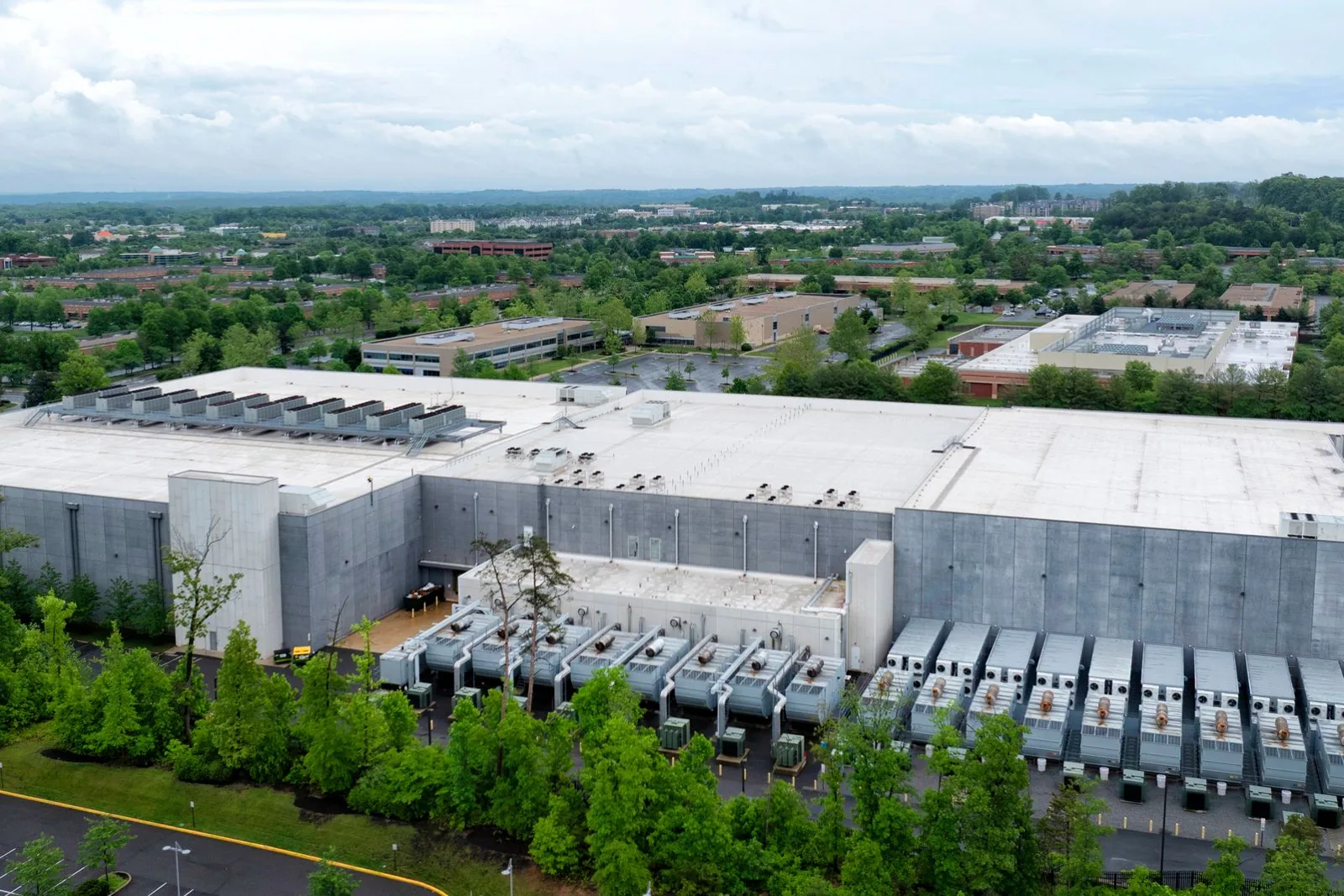
Critical computing, a film production complex on the waterfront and the Turnpike corridor all share one borough, and Carteret, NJ puts a very wide spread of commercial roofs on the other side of the Arthur Kill from Staten Island. Commercial Roofing Staten Island inspects, repairs and replaces commercial roofs there, and a first walk is shaped by one question above the rest: what is under this roof that cannot get wet.
The Arthur Kill forms Carteret's eastern boundary, directly across from the island, and the Rahway River forms its northern one. Buildings between the two waters get weather from both, so edges and drains are written down before anything else.
Waterfront, data and the Turnpike
Carteret's waterfront redevelopment takes in Carteret Stages, a film production complex of 1.2 million square feet, along with a ferry terminal. The primary data center for the NASDAQ OMX Group's stock exchange is also in the borough, and the New Jersey Turnpike passes through it, where Interchange 12 was rebuilt in an $80 million upgrade. A complex of that size may have many separate roofs, and each is read on its own.
These uses make a useful range of examples. Production space, in general, means large interior volumes and rooftop equipment. Data space means cooling plant and a low tolerance for water. A ferry terminal means public traffic under whatever covers it. What any particular building carries overhead is for its own scan and core to show.
Ferry terminals and film complexes both draw crowds and crews at odd hours, so roof schedules there follow the venue's calendar. A season of heavy production or a run of peak ferry traffic can close a window that would otherwise be open, and the proposal states which dates the roof work avoids.
What the inspector sees over critical space
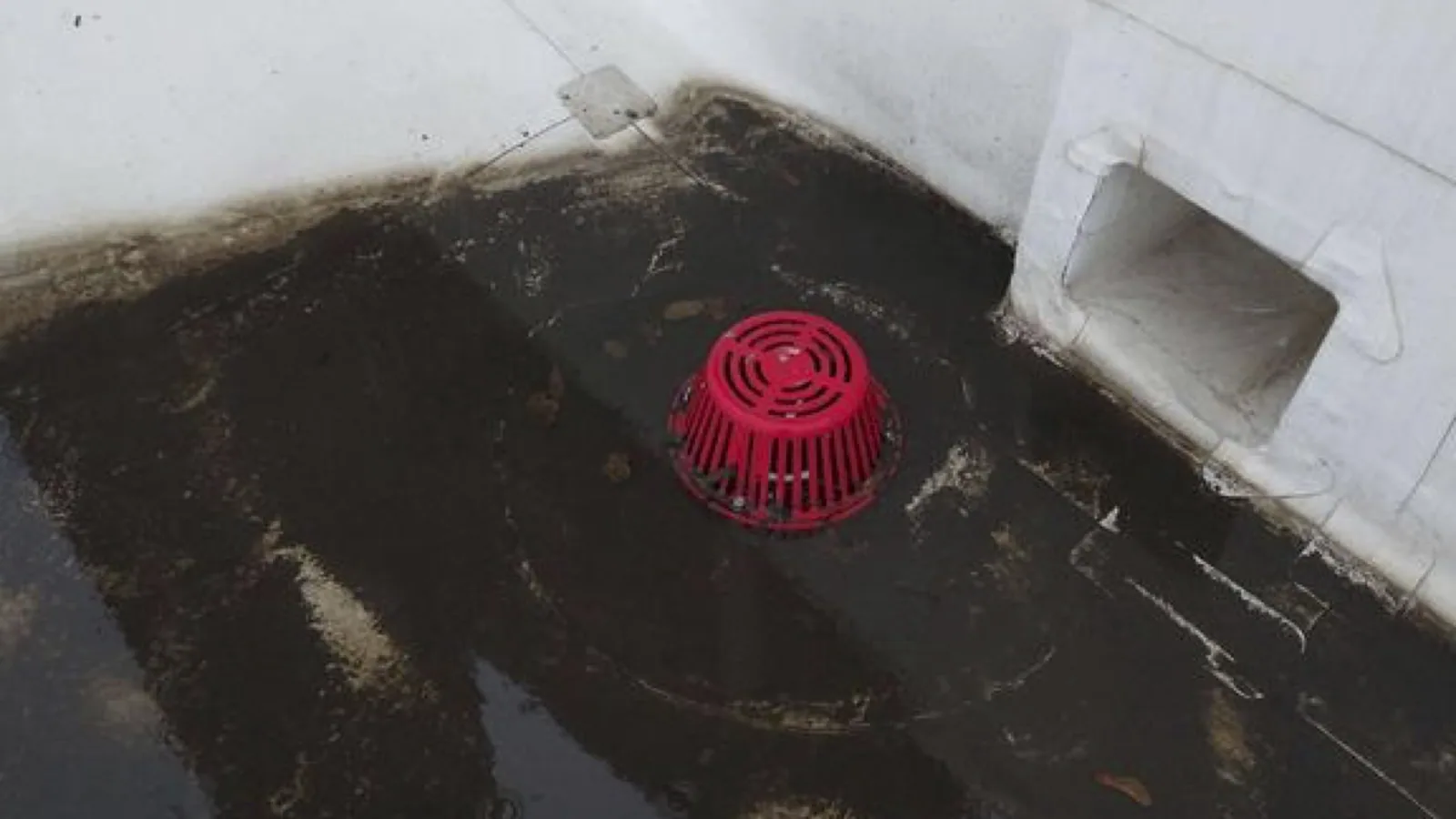
Where a building houses systems that cannot tolerate water, the first entries are about redundancy. How many drains serve each area, whether each has an overflow route, whether the roof slopes toward its drains or away. A single clogged strainer on a roof without a second outlet is a threat in a heavy rain.
Cooling plant comes next. Chillers, condensers and exhaust fans sit on curbs, rails or stands, and each is a penetration or a loaded spot. Condensate lines that drip onto the membrane wear it, and pipe supports that sit directly on the sheet puncture it over time. The data center roofing approach moves such items to the top of the log and ranks everything above the equipment first.
Roof edges are the other half of the walk. On a building with tall walls or a long perimeter, wind lifts a loose coping cap or a stretch of edge metal, and the membrane inside it follows. We test coping fasteners by hand, check sealant joints and look for membrane that has started to flutter near the edge. Sandy's gusts reached 80 mph on October 29, 2012, and a perimeter that was marginal then would show it.
Penetrations get their own count. The plan marks every conduit, pipe and vent, and each gets tested for a split boot, a cracked pitch pan or sealant dried to powder. When a roof has many penetrations and only a few failures, the repair list is short, and that list is the bill.
Proving a roof is dry
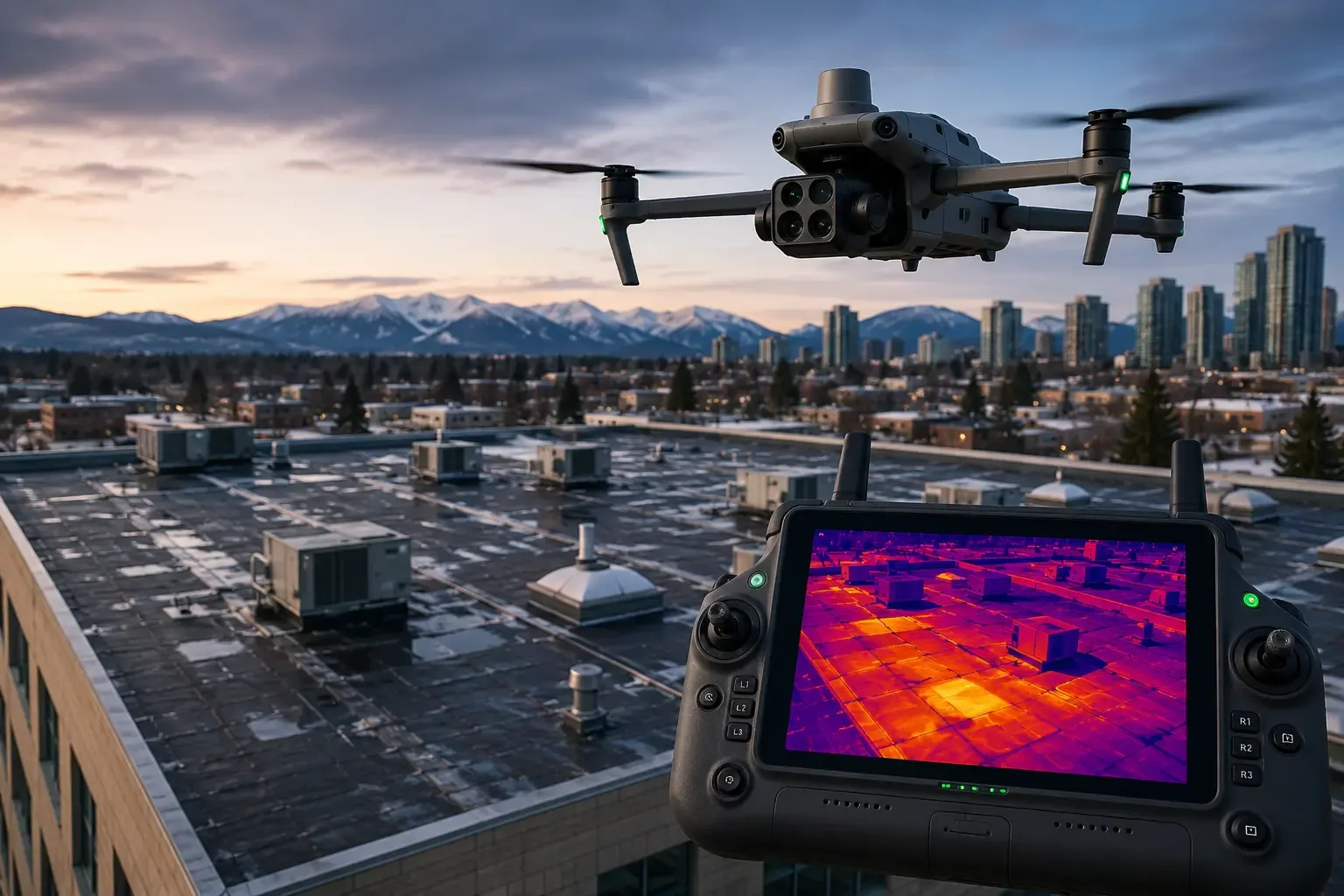
For critical space, a repair is only done when it is proven. We scan the roof with infrared after sunset, when wet insulation holds heat, then confirm with a meter and cores at the doubtful spots. After the repair we scan again. A map that shows warm patches before and none after is a record the operator can keep.
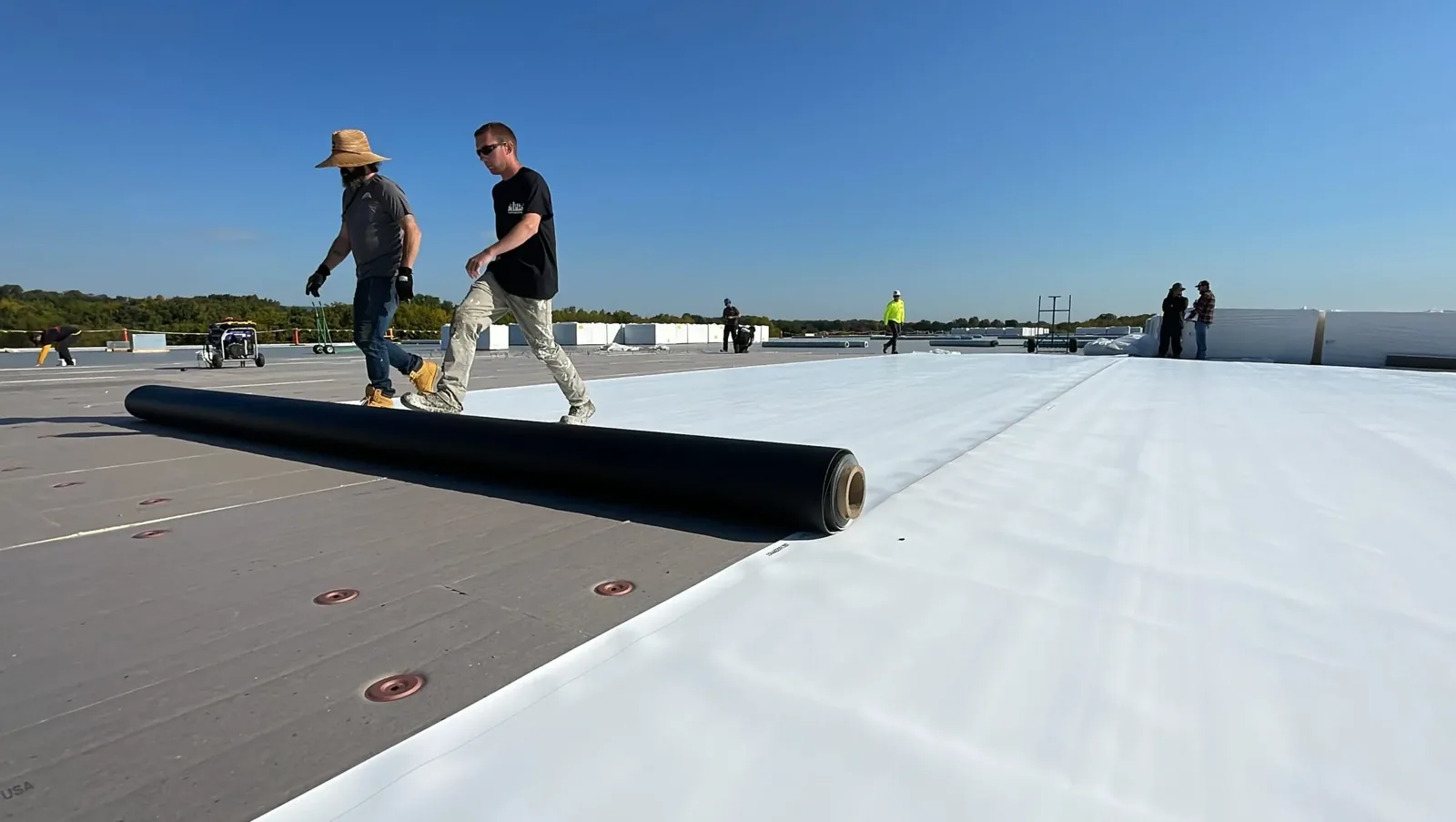
That infrared moisture survey also guides decisions. A roof that scans dry may need only detail repairs. A roof with scattered wet spots may take sectional replacement. A roof wet across most of its area calls for full replacement, phased so the roof over the most critical space is finished first and kept dry throughout.
Phasing for critical space follows the dry-in rule: no section opens unless the crew can close it the same day, and the plan names who watches the forecast. Temporary protection, tarps tied down against wind and a pump on standby, sits on site before the first board comes off. If the forecast changes, work stops and the open area is sealed, with the schedule reset and noted in the log.
Weather between two waters
Across the Kill, the city's snow averages about 29.8 inches a year, including a 27.3-inch single day on January 23, 2016, and its precipitation runs near 49.5 inches, spring being the wettest season. Gusts of 80 mph came with Sandy in October 2012, and Ida's September 2021 rain led to a flash flood emergency. That record points to the same routine: edges checked after wind, strainers and overflow scuppers cleared before wet weather and seams probed after the thaw. A second route for water, the overflow scupper, is what roof drain and scupper work adds for critical space.
Access rules and change control
Buildings with sensitive operations usually have rules for rooftop access: sign-in, escorts, notice before work and windows for shutting down equipment. We follow them and write the schedule into the proposal. Material is lifted early, the work area is protected and every open section is dried in before the crew leaves. Work near production space also respects noise windows.
The Arthur Kill crossings that link Carteret to the island are scheduled around, and owners with property on both shores keep a single log format. Neighboring work in Linden and Perth Amboy follows the same sequence.
Repair, restore or replace
The owner's options follow the scan. Damage confined to one area is repaired in the same material. A dry, weathered membrane may take a coating restoration. Cost follows the details: curbs and penetrations, perimeter length, deck condition and crane time, with access, shutdown windows and temporary protection each listed on their own lines.
A written log closes the work: a roof plan with zones, photographs, scan results and a ranked list with a reason beside each item.
Owners often ask whether a coating can stand in for a replacement. For a dry roof with a sound deck, sometimes, and it defers the larger cost. For a roof over equipment that cannot get wet, the answer leans toward the sturdier choice, and the proposal says why.
Related Roofing Work
More roofing work that comes up alongside Carteret.
Commercial Roofing Questions
Can critical-space roofs be repaired without shutting anything down?
Usually. Work moves in small sections, protection goes in below any open area and shutdown windows are agreed with operations staff beforehand.
How do you prove a repaired roof is dry?
With a second infrared scan after the repair. A map that shows warm patches before and none after is the record.
Does a large complex have one roof or many?
Often many. We number each roof area on the plan and log it separately, so a finding on one does not stand in for the others.
Who covers a Carteret roof, and how do crews get there?
The same Staten Island crews that work the West Shore, crossing by the bridges and roads that link the shores, with deliveries timed to avoid peak traffic.
Who sets the shutdown window for rooftop equipment?
The operations staff. We propose a window in the plan, and they confirm or move it before any section opens.