Commercial Roofing in Charleston, Staten Island, NY
Commercial roofing in Charleston, Staten Island, NY for big-box decks, retail centers, depot canopies and older industrial buildings along Arthur Kill Road.
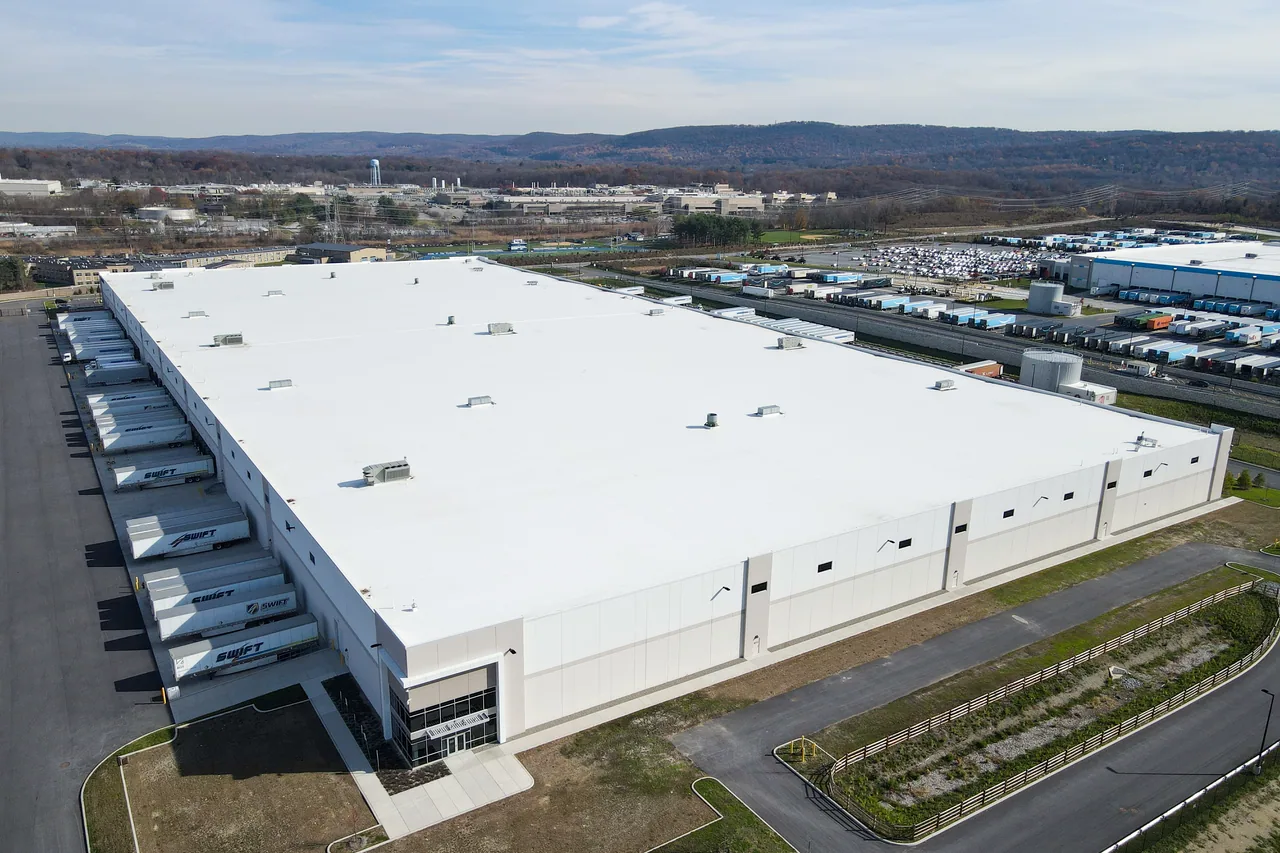
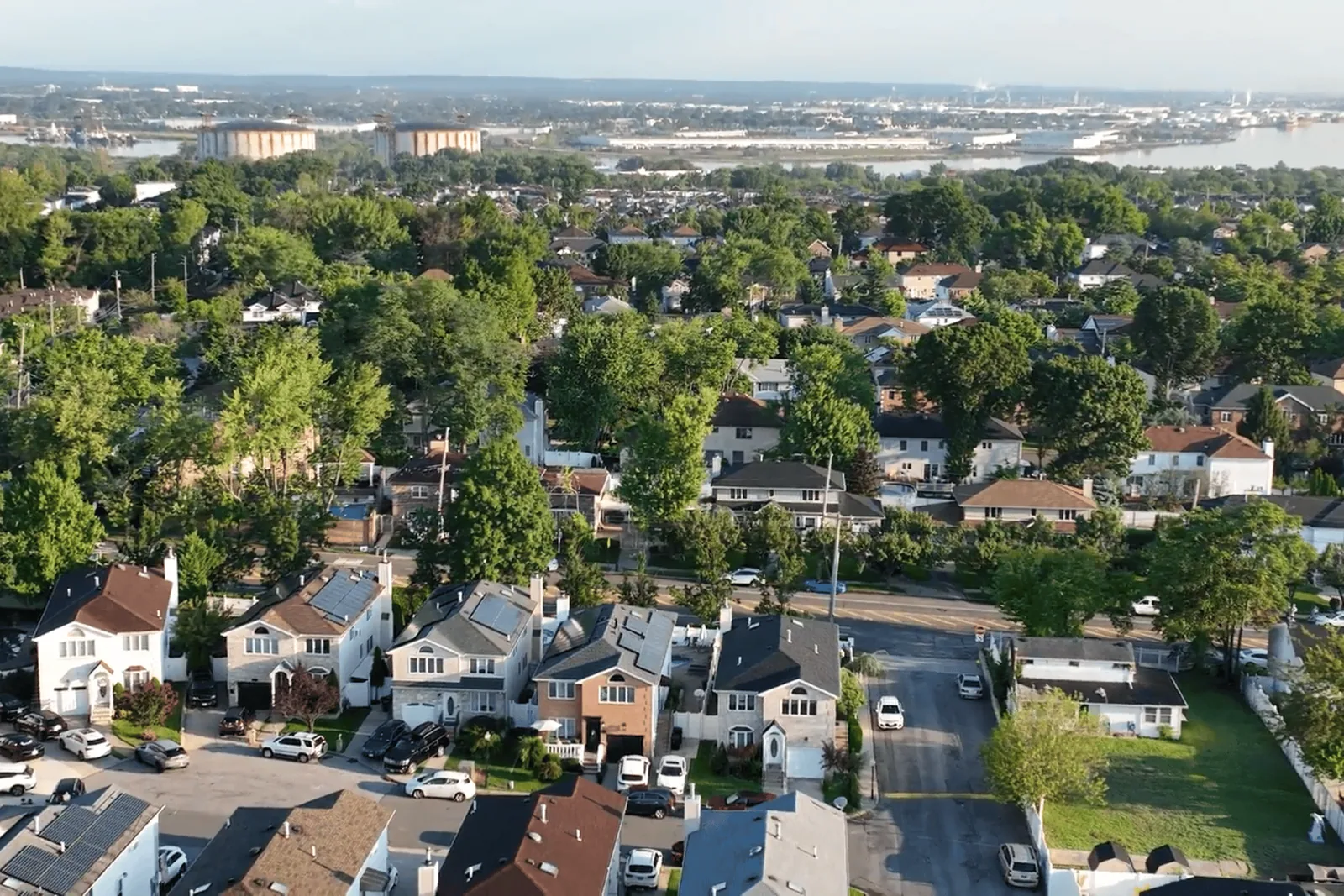
A big-box deck with a pond beside the rooftop unit line, a bus depot canopy with ice hanging from its gutter, an old brick-era industrial roof patched over a century of weather: the inspector's notebook on a Charleston roof ranges from the newest retail to the oldest industrial ground on the island. A 2002 broker estimate put commercial and industrial properties at about one third of Charleston, with residential and parkland each taking a similar share, so a large part of the neighborhood is roofs.
Low-slope and metal roofs on retail, industrial and service buildings in Charleston, Staten Island, NY, are the work of Commercial Roofing Staten Island, and the owner is asked first which decade the building belongs to.
A third of the neighborhood under commercial roofs
With about a third of Charleston given to commercial and industrial use, the roofs are many and varied. The 1854 Kreischer Brick Manufactory was an early industrial site here, the MTA's Charleston Depot is on Arthur Kill Road, and Bricktown Centre at Charleston, an open-air lifestyle center on Veterans Road West, includes Staten Island's first Target and third Home Depot.
Those uses imply different roofs. Industrial ground tends to carry older buildings with layered roofs. A depot has wide decks and heavy equipment. A lifestyle center has big-box decks and in-line shops with rooftop units. We rate each roof separately, since a floor-area number says nothing about condition, and give the owner a ranked list.
Big-box decks and retail centers
A big-box store has a wide, flat roof with a few drains and a long line of rooftop units, and the sales floor beneath it is large and open. Water that enters through a penetration can travel far along the deck before it shows. The first findings are usually at the units: sealant gone brittle, boots split, walk pads missing.
We walk drains first, then curbs and penetrations, then seams across the field, then the perimeter. Big-box retail roofing repairs are priced per item. Inline shops beside a big box share the roof's drains and parapets, so the landlord receives a report that shows who owns what. A scan after sunset maps wet insulation, and the repair is cut to the map.
On a big-box deck the price moves with the curbs, the wet insulation, the crane or hoist access and the system, and the quote leads with curb and seam repairs, then a coating or recover, then replacement, each backed by evidence. The comparison shows the landlord what a repair buys and what it does not, which matters when a lease passes roof costs to tenants and the tenants ask what they are paying for.
Depots, canopies and service buildings
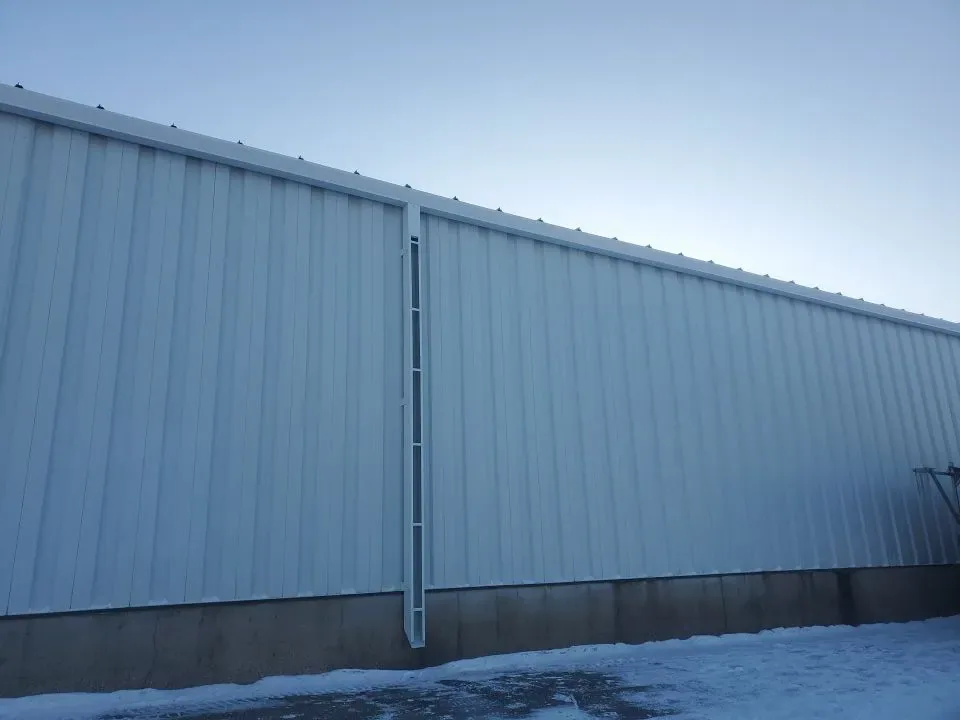
A bus depot is a different roof problem from a store. Decks are wide, vehicles discharge exhaust, equipment runs through shifts and canopies collect ice. Depot operations cannot stop for a roof job, so the work follows the schedule: sections by bay, daily dry-in, loud steps away from shift changes and hoists away from vehicle lanes.
We inspect canopy gutters, downspouts, edge metal and drainage, since ice and wind work on them first. Edge metal and gutter repair on a canopy also protects the people and vehicles below. Service buildings get the same sequence, with extra attention to exhaust curbs and the membrane around them.
Older industrial roofs with layers
Old industrial ground carries old industrial roofs. A building that dates to a brick-making era or to a later factory phase may have several membranes stacked over a heavy deck, patched many times. Layers hold water, and the weight of an added layer matters.
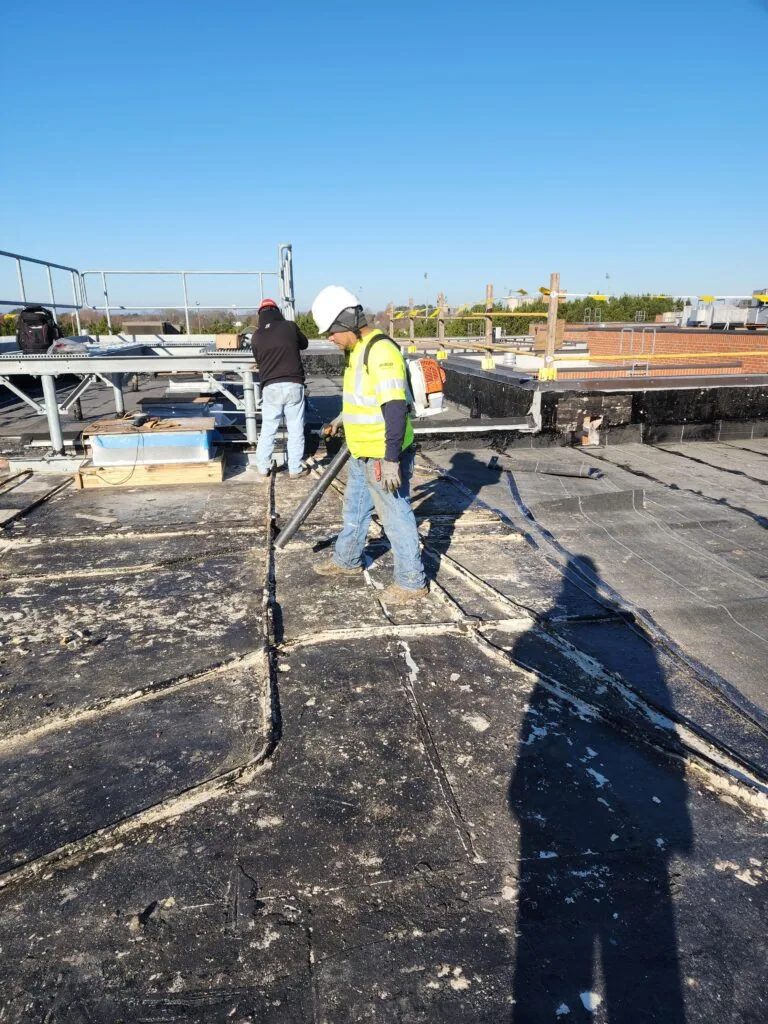
On these roofs we pull cores, map wet insulation with a scan and test the deck for what a recover would add. If insulation is dry and the deck can carry the weight, a coating or fully adhered recover extends the roof. If layers are saturated, tear-off in sections is cheaper than a recover that fails early. The report shows the cores and the numbers, and the owner can see why the recommendation follows.
Weight is the quiet constraint on an older deck. Each added layer of membrane, insulation or ballast loads a structure designed for a lighter roof, and ponded water adds more. We map the equipment loads, note sag or deflection and flag ponds that add weight. Where the structure is near its limit, a lighter system or a partial tear-off is the safer choice, and the owner's engineer confirms the figures before any recover is priced. Tapered insulation corrects slope without adding much weight when it replaces wet board instead of sitting on top of it.
Arthur Kill Road, wind and storms
Arthur Kill Road carries the neighborhood's trucks and buses, and the buildings along it meet wind from the west. Edge metal, coping and fasteners are checked before anything else, with Sandy's 80 mph gusts of October 2012 as the standard for what an edge must survive. Wide decks with few drains are tested by downpours of the kind that brought Ida's flash flood emergency in September 2021, so strainers are cleared and photographed, leaders flushed and overflow scuppers added where the parapet allows. Drain and scupper work costs the least on a big deck and often prevents the most expensive failure.
Snow, ice and the trading calendar
Snow load on a long deck, ice on a canopy and frozen drains are the winter findings, in a city where snow averages 29.8 inches a year, and January 23, 2016 produced 27.3 inches within a day. Drains and edges are cleared in the fall, and the spring walk catches winter damage. Retail roofs stay clear of the holiday trading period for large work, while industrial and depot roofs follow calendars of their own, and the neighboring districts of Rossville and Tottenville keep similar ones. The calendar is requested first and the schedule built backward from it. Preventive roof maintenance fits that rhythm.
What goes in the log
Every roof is given a page of photographs, a rating, scan results and cores, and a ranked list with prices, and a summary orders the properties by risk. A dated entry after each visit means the next decision starts from facts. Lenders and insurers draw on the log, lease disputes get settled with it and it goes with the building through a sale. An owner with several buildings, such as a landlord with a retail center and an industrial yard, gets one calendar and one format.
Large decks and long runs of flat roof make a dated record especially useful. Each visit adds the zone walked, the drains cleared and the seams checked, so the next crew can see what changed over the winter without starting from scratch.
Related Roofing Work
More roofing work that comes up alongside Charleston.
Commercial Roofing Questions
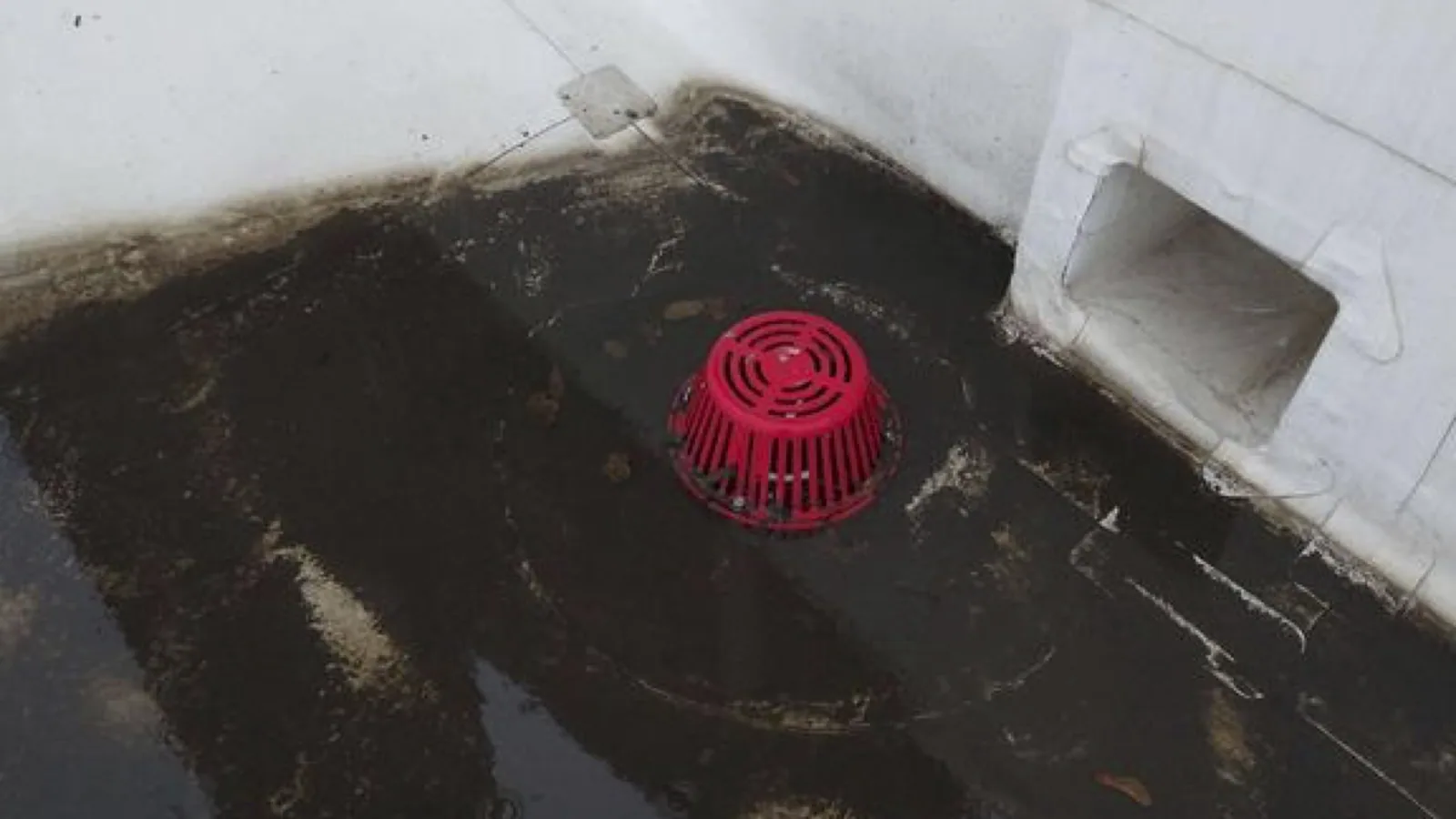
Our big-box store has a pond at the same spot every rain. What is the cause?
Usually a drain, a leader or a settled deck. We clear and flush, then measure slope. If the deck has settled, tapered insulation or a new outlet moves the water.
Can a depot roof be replaced without stopping service?
Yes, with a plan. We work in sections by bay, dry in daily and time loud steps away from shift changes.
What do you do about layers on an old industrial roof?
Pull cores, scan for wet insulation and test the deck. Dry layers can take a recover. Saturated layers come off in sections.
Who owns the roof in a lifestyle center?
Usually the landlord, with tenants owning their equipment. The log maps penetrations to tenants and shows the split.
What should an owner send first?
The site plan, the roof ages and recent leak history. We walk the roofs and return a ranked list.