
Commercial Roofing in Arden Heights, Staten Island, NY
Commercial roofing in Arden Heights, Staten Island, NY for neighborhood shopping centers and service buildings, with drain, curb and edge repair.
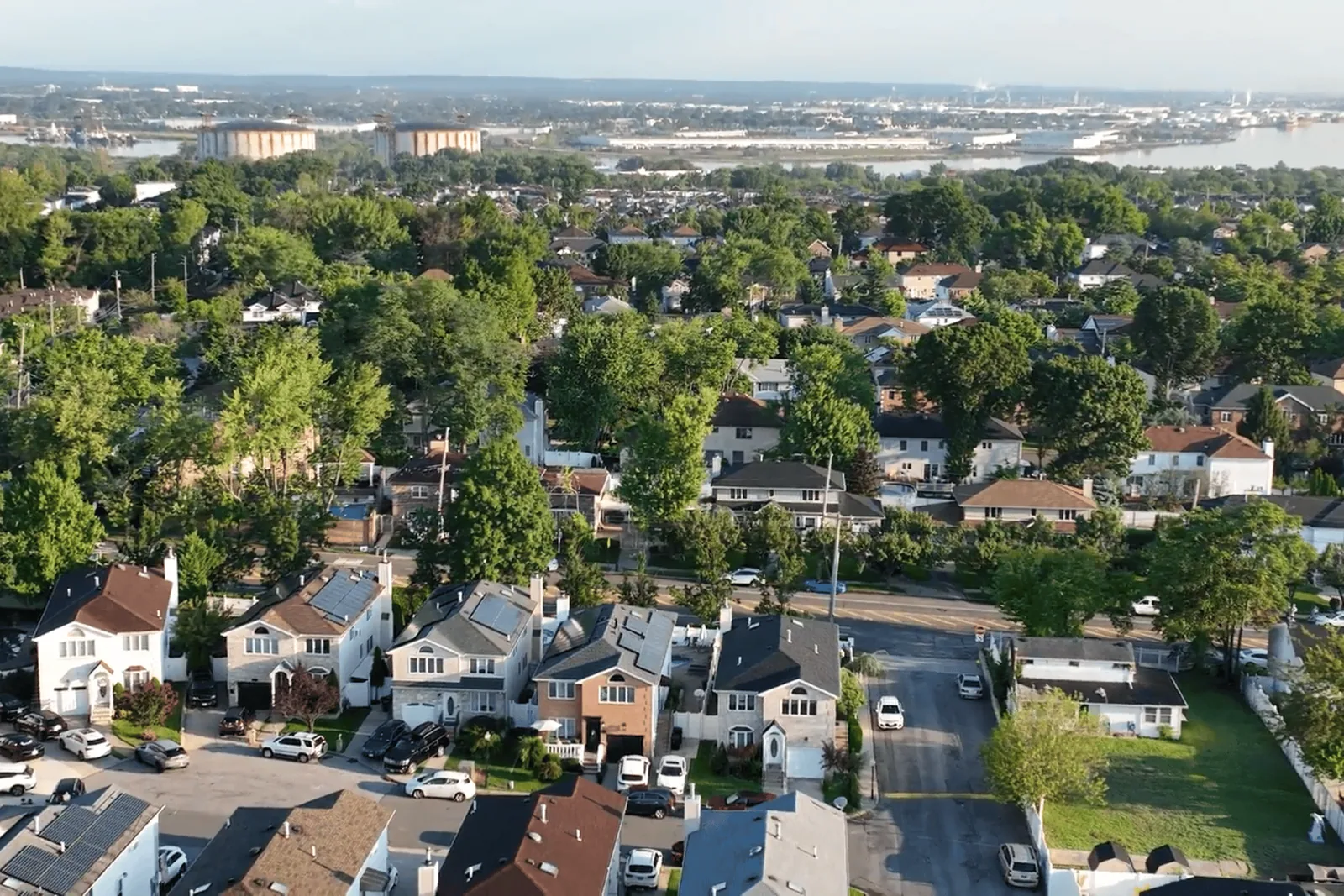
A neighborhood shopping center roof is a quiet one until the first long rain, and then the inspector's notebook fills quickly: a stained ceiling tile above the pharmacy counter, a ponded seam at the low corner, a sealant bead cracked around the grocery's condenser curb. Arden Heights sits on the western side of Annadale on the South Shore, with the Arthur Kill as its western border, and its commercial roofs serve the homes around them.
In Arden Heights, Staten Island, NY, retail, service and office buildings get their low-slope roofs repaired and replaced by Commercial Roofing Staten Island, and a landlord is asked first how old the roof is and who last touched it.
Arden Avenue, Arthur Kill Road and the center that serves the neighborhood
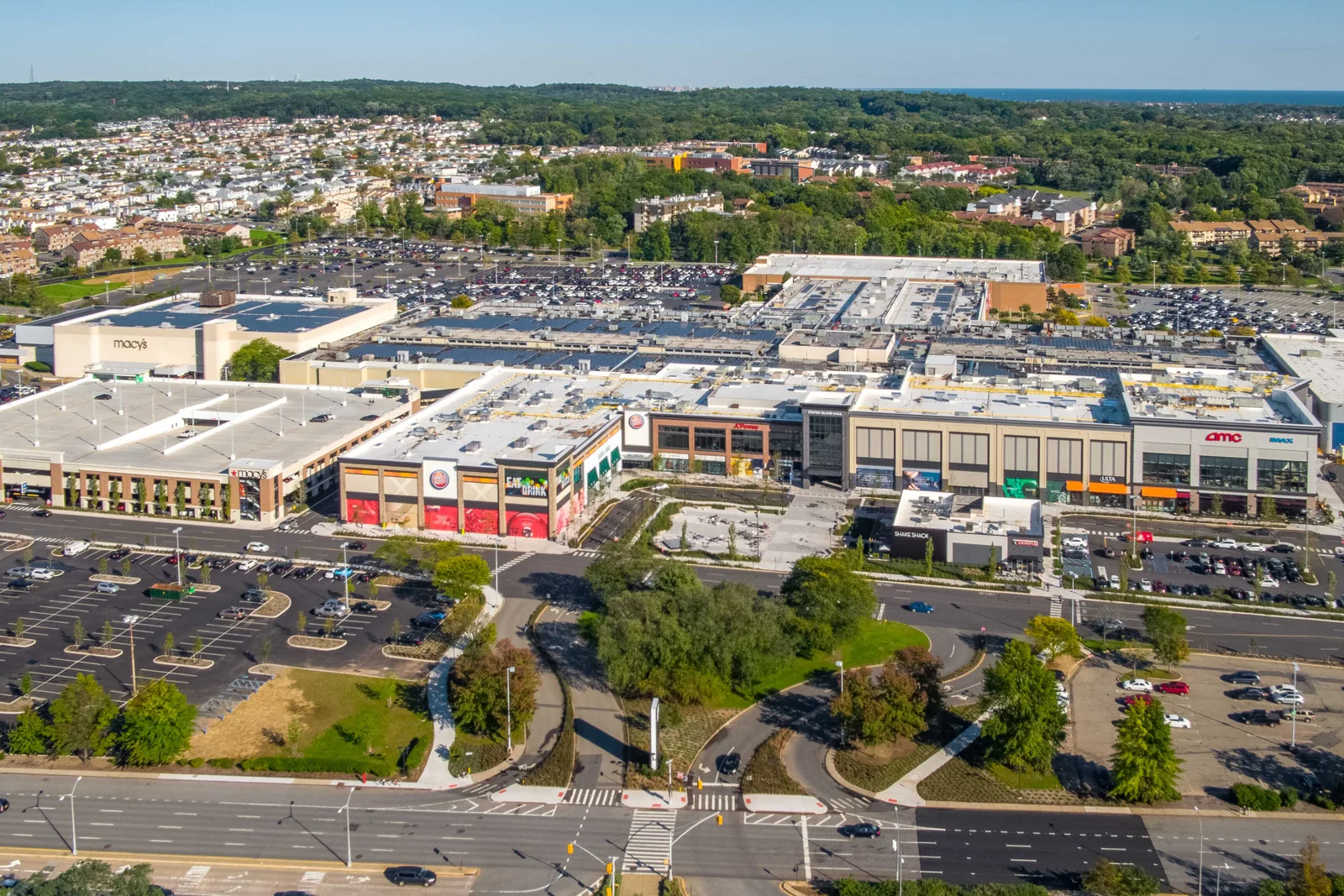
Arden Avenue and Arthur Kill Road are the major roads through the area, and a shopping center was built alongside the Village Greens development to serve its residents. A residential development often brings a small center with a grocery, a few service tenants and a parking lot, and the roof of that center ages with the neighborhood.
The first walk records what is there: the system, the layers, the penetrations, the drains and the flashing. A roof on a neighborhood center in this climate needs clear drains, sound seams, tight curbs and an edge that holds in wind, and those four items set the order of the visit.
What a neighborhood center roof needs
A center of this kind usually has a long, low roof shared by several tenants, a handful of drains and a line of rooftop units, and the walk confirms which of those apply. A center that includes a grocery carries refrigeration equipment, a food counter vents grease, and service tenants add small units. Each unit sits on a curb or a stand, and each curb is a flashing detail.
We walk the roof in a fixed order: drains first, then curbs and penetrations, then seams and laps across the field, then the perimeter. Shopping center roofing repairs are priced per item so a landlord can fund the urgent ones first. The report separates landlord items, such as drains and seams, from tenant items, such as unit curbs.
Ground-floor food tenants and refrigeration add a layer of risk. A leak over a cooler or a stockroom ranks above the same leak over an office, since stock spoils and a closed store loses sales. The log ties each finding to the space below. Walk pads protect the membrane along the routes technicians use to reach units, and condensate lines are extended to a drain or a splash block so they stop wearing a hole in one spot. When a unit is replaced, the curb is checked again, because a larger unit often sits on a curb that no longer fits.
Wind off the Arthur Kill
With the Arthur Kill along its western edge, Arden Heights has buildings near the water that meet wind with little in front of them. Gusts like Sandy's 80 mph of October 2012 are the main reason edge metal gets checked first on any waterfront roof.
We test coping and drip edge by hand, look for rust streaks below fasteners and check how the membrane is terminated at the wall. Edge metal and coping repairs use heavier gauge metal and closer fastener spacing at corners where the wind load calls for it. Walking the roof before each season and again after a storm keeps the repair list short.
Drains, parking lots and ponding
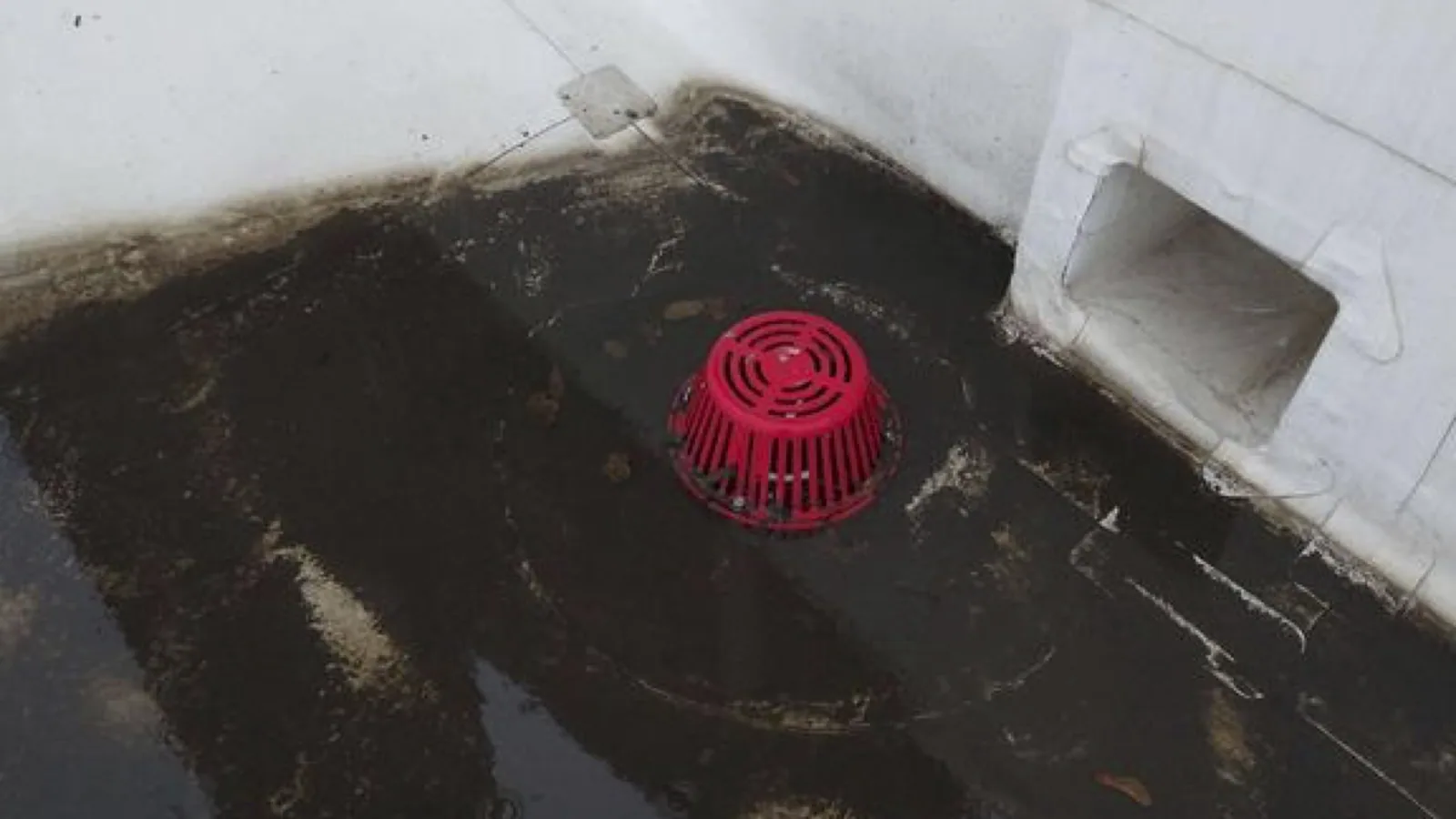
A center beside a parking lot sees grit and litter on the roof and in the drains. Wind carries leaves and bags onto the deck, and strainers clog. A flat roof with few drains has nowhere to send water, and a pond forms at the low corner. A pond that lingers past two days of dry weather points to a drain, a leader or a settled deck. The strainers get cleared and photographed, the leaders flushed and the slope measured. Overflow scuppers go in where the parapet allows. A deck with one blocked outlet cannot pass an hour of rain like the one that set off Ida's flash flood emergency in September 2021. Drain and scupper work costs the least of any repair on a small center.
Snow, ice and the spring walk
Snow in the city totals 29.8 inches in an average year, and January 23, 2016 alone brought 27.3 inches. It piles against parapets and curbs and thaws toward the wall, so March is when base flashing in those corners is examined, and ice at a drain bowl backs water up behind it. Drains and edges are cleared in the fall, and the spring visit shows what winter did. A January leak receives a temporary seal at the entry and a plan for the lasting repair once temperatures let adhesives and welds cure. Cold weather limits what can be bonded, which is why winter work is kept to emergencies and the larger scope waits for spring. Preventive roof maintenance turns these visits into a calendar and a record.
Repair, recover or replace
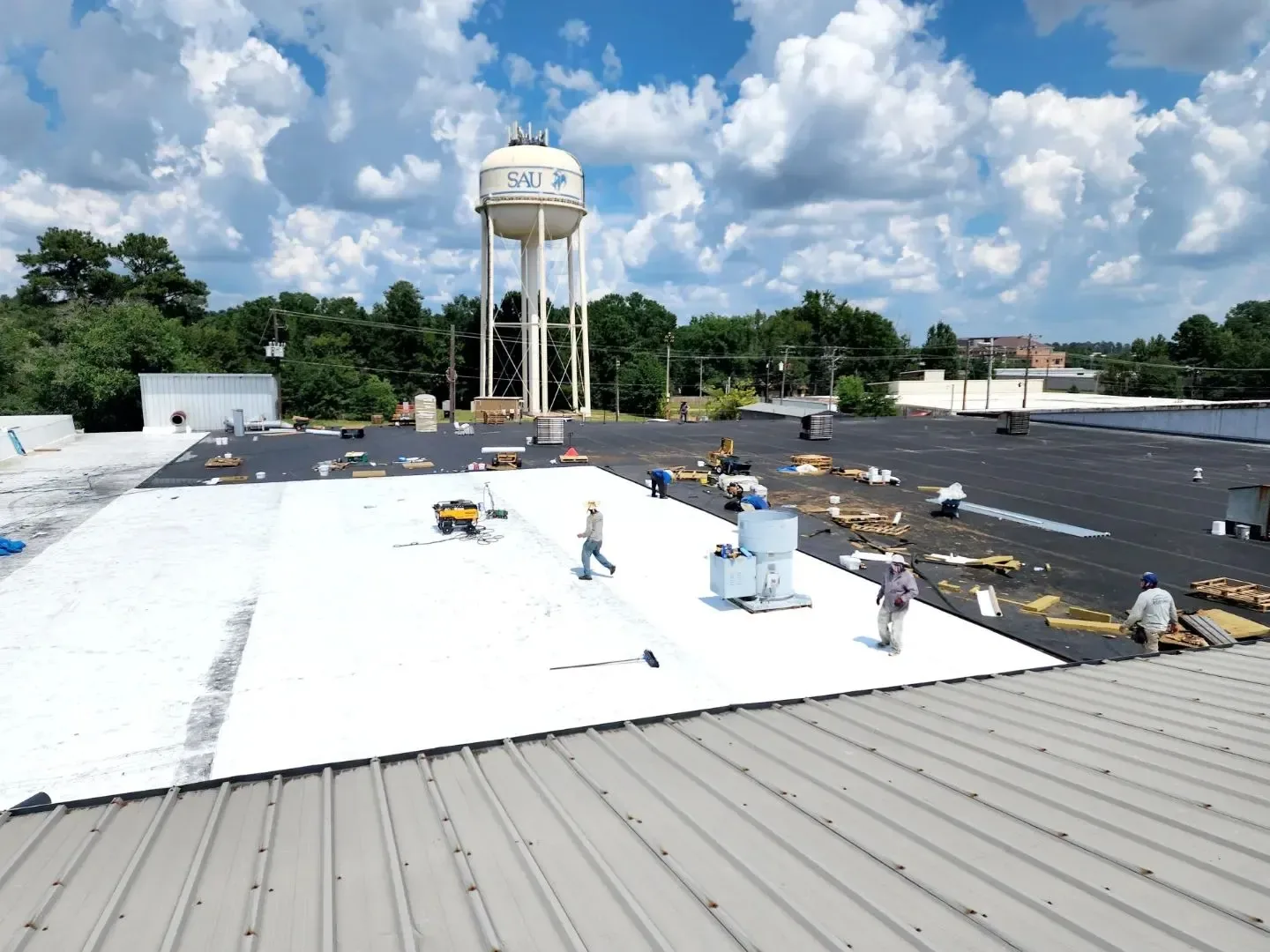
The decision comes from cores and a scan. A roof with dry insulation and a sound membrane can take a coating or a recover. Wet insulation across a wide area means replacement, phased bay by bay so the stores keep trading. A cover board protects the membrane from foot traffic by service crews.
Single-ply systems such as TPO are common on retail decks because they reflect heat and weld at the seams. Repair, recover and replacement are each priced for the same roof, and the gap in expected service life is stated. Nearby Rossville and Eltingville follow the same format.
What goes in the log
Each roof is given a page of photographs, a rating and a ranked repair list with prices, and every visit adds a dated entry. The log serves lease disputes, lender requests and insurance reviews, and it hands the roof's history to the next owner. Cost moves with the tenant bays, the curb count, the wet insulation and the access, and each of those is named so the landlord can compare a repair with a replacement on one page. Stopping an active leak is priced first, a coating or recover next and full replacement last, with the evidence behind each. A landlord who owns more than one small center gets one report format and one calendar. The summary page ranks the properties by risk, so the first dollars go where water is most likely to enter.
Small centers often have one owner and a short list of tenants, so the report stays short as well. It lists the leaks, the drains, the edges and the cost of each repair, with a photograph beside each line.
Related Roofing Work
More roofing work that comes up alongside Arden Heights.
Commercial Roofing Questions
Can a price be given before the walk?
Only as a range. The walk, the scan and the cores set the real number, and the report records how it was built.
Whose job is it to clear the drains on a shared roof?
Usually the landlord's, since the drains serve every tenant. We clear them, photograph what came out and set a cleaning schedule.
A tenant's refrigeration unit leaks at the curb. What is the repair?
Re-flash the curb, replace split boots and reseal the base. We log the date and the condition, so the lease can assign cost.
When should a small center be coated instead of replaced?
When the membrane is sound and the insulation is dry. A scan and cores confirm both.
How do stores stay open during roof work?
Work is done in sections, each dried in daily, with loud steps before opening or after closing.