
Soprema Roofing Systems in Staten Island, NY
Repair and replacement of Soprema modified bitumen, liquid-applied and single-ply roofs on older brick and waterfront buildings in Staten Island, NY.
A thermometer held against a roof surface at dawn is the first tool out of the bag when a modified bitumen laps need to bond, because the sheet and the substrate have to be warm enough and dry enough, and on a Soprema roof in Staten Island, NY the reading decides whether a repair goes ahead that morning. Soprema is a roofing manufacturer whose commercial range includes modified bitumen membranes, liquid-applied waterproofing and flashing resins, single-ply sheets and insulation.
Commercial Roofing Staten Island repairs and replaces these systems across the island, and on older brick buildings the choice between a sheet, a torch-free method and a liquid flashing is made on the roof, not at a desk.
Modified bitumen in plain terms
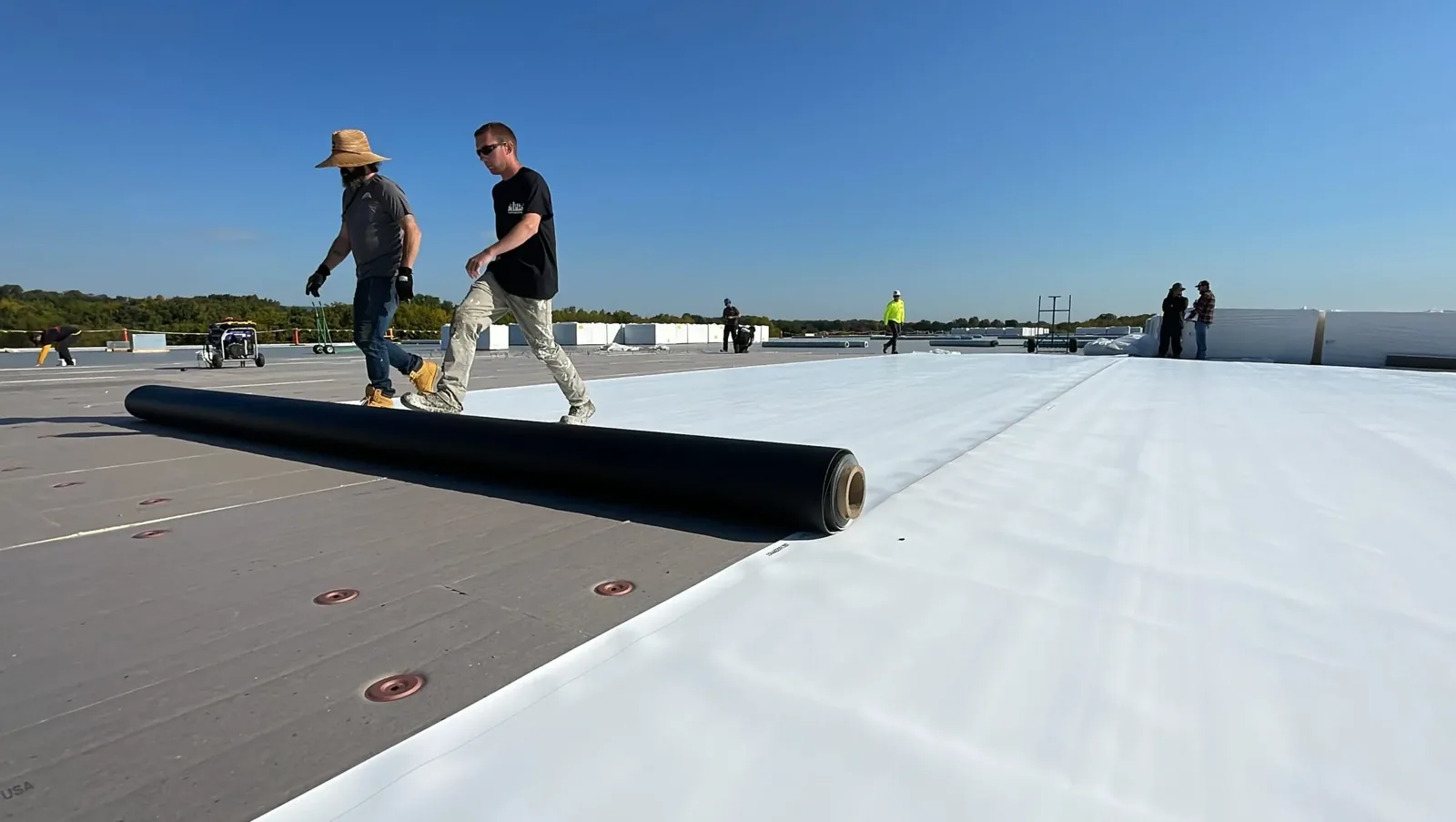
A modified bitumen roof is built from sheets of asphalt reinforced with polyester or fiberglass, usually laid in two or more layers with the top layer surfaced in granules or coated. The laps between sheets are bonded with heat, hot asphalt or cold adhesive. Properly bonded, they form a tough, repairable surface that tolerates foot traffic better than most single-ply sheets.
The weaknesses are predictable. Laps open in cold weather, flashings slide down a wall, and blisters form where moisture was trapped at installation and split under the sun. We find these by hand: a boot heel dragged along a lap, a gloved palm pressed over a blister, a probe along every flashing termination.
Liquid flashing around the awkward parts
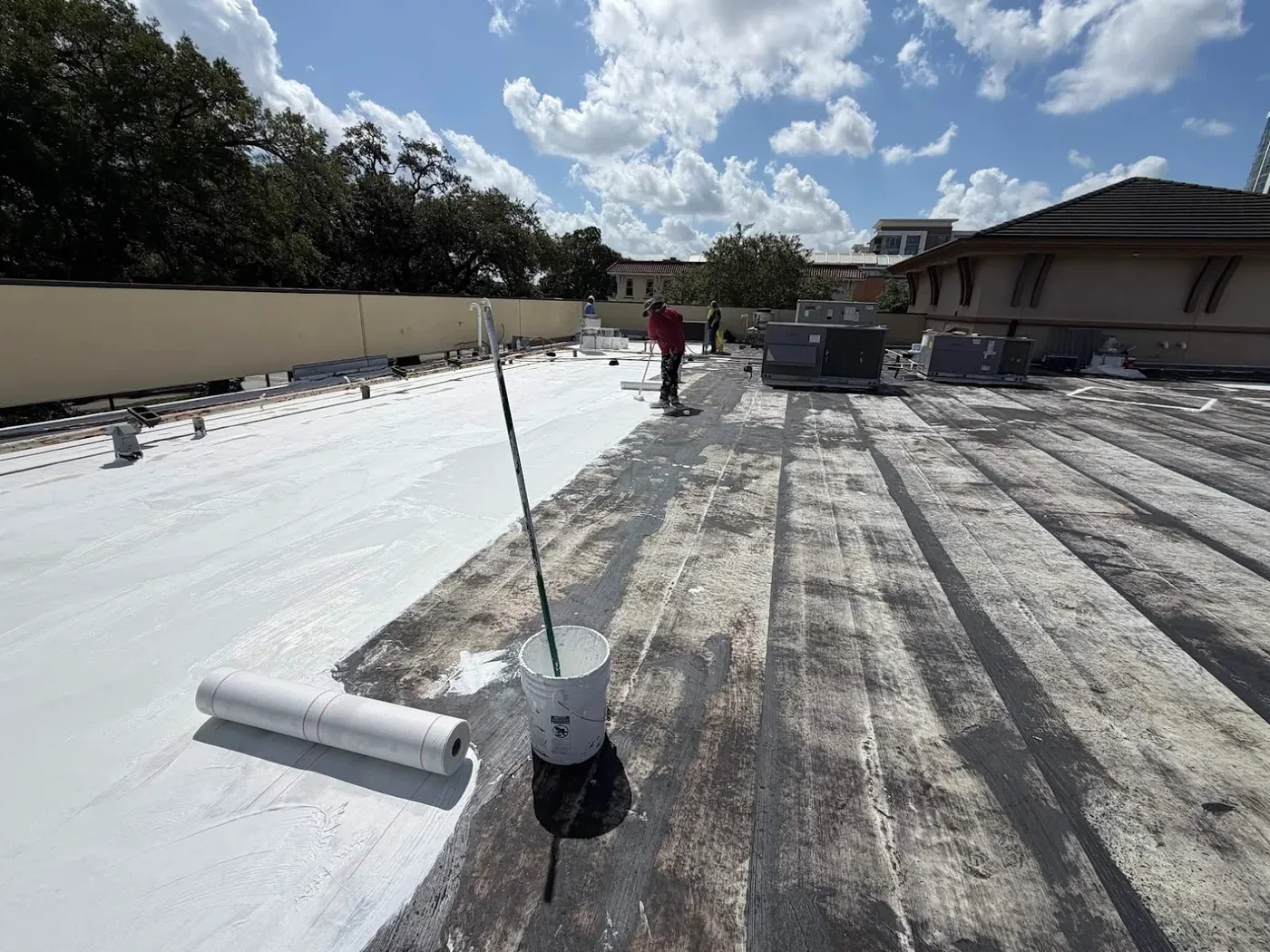
Where a roof is crowded with pipes, conduit, curbs and odd corners, a liquid-applied flashing resin brushed or troweled over a reinforcing fabric can seal what a cut sheet cannot. It cures into a continuous skin, bonds to many substrates and can be applied without flame. For a leaking pipe cluster or a penetration that has been patched five times, it is often the sound repair.
It is not a cure-all. The surface must be clean and dry, the resin has a working window, and a thin coat over a moving joint will crack. We prepare the surface, lay the fabric, build the coat to thickness and document it with photographs. Our penetration flashing service uses it where it suits and a formed sheet flashing where it does not.
Older brick on Bay Street and Port Richmond Avenue
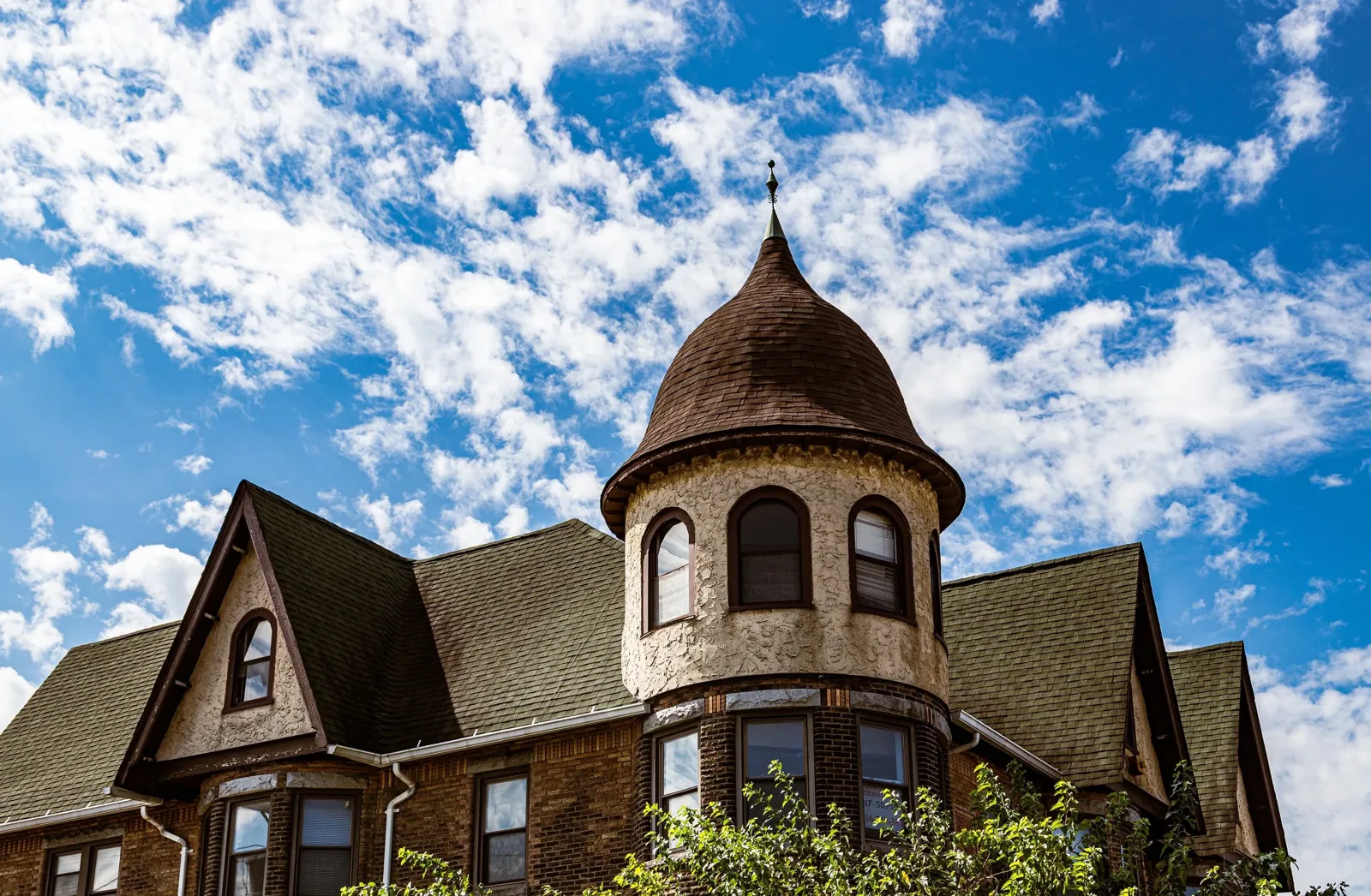
Tompkinsville's commercial streets are lined with tall brick buildings housing shops and eateries, and a 2019 rezoning lets Bay Street mix housing, retail and offices more densely. Port Richmond Avenue, once a bustling commercial center, has been revived by small businesses, and its 1924 Ritz Theater is now a tile showroom, an example of older commercial buildings changing use.
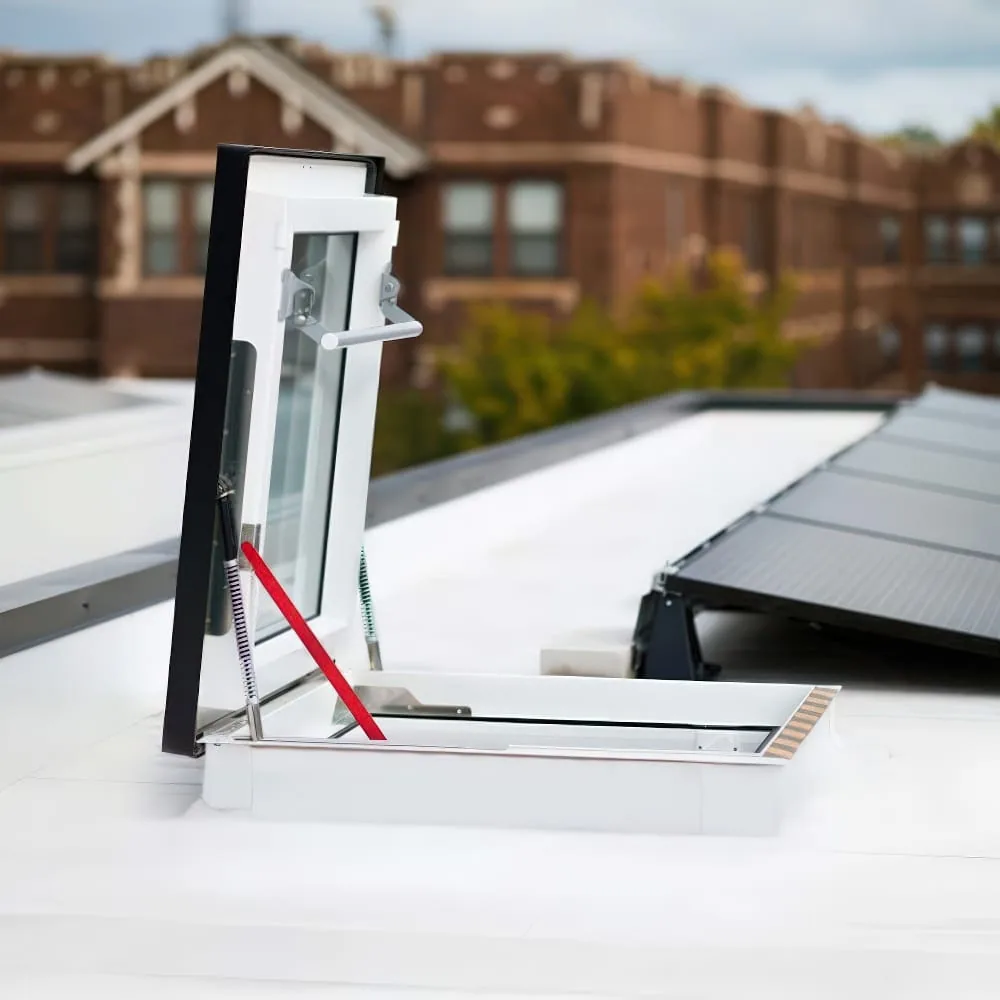
Buildings that change use get roofs that change with them, one patch at a time. A parapet with several generations of flashing, a hatch added by a later tenant and a tie-in to a neighbor's wall make the case for reading each detail separately. A core cut shows what any particular roof holds. In the Port Richmond district, where Richmond Terrace mixes 19th-century buildings with working waterfront uses, each roof gets that treatment.
Flame, fire watch and the neighbors
Open-flame torches are a real hazard on a roof with wood nailers, tar-coated flashings or combustible material in the wall. If the building or the block makes flame unwise, the choice falls to cold-applied adhesives, self-adhered sheets, heat-welded thermoplastics or liquid resins. When flame is used, a fire watch stays on the roof after the last torch is out, long enough to catch a smolder.
Insurers and fire marshals care about this, and so do tenants. Hot work is planned with the building's manager, with permits and extinguishers in place, and we avoid it near fresh-air intakes of occupied floors. A fire damage roof repair starts from a different set of questions, though the discipline is the same.
Rain, snow and heat
Bitumen is sensitive to cold and moisture while it is being installed, and Staten Island winters make the calendar tight. Winter snow in the city runs about 29.8 inches in an average year, January 2016 put 27.3 inches down in one day, and precipitation totals about 49.5 inches a year with spring the wettest season. Work is set for dry windows and material is kept warm before use. Sandy's 80 mph gusts of October 2012 and the flash flood emergency Ida caused in September 2021 both showed what an unfinished edge or an unclear drain can do. A day's work is always tied in before we leave.
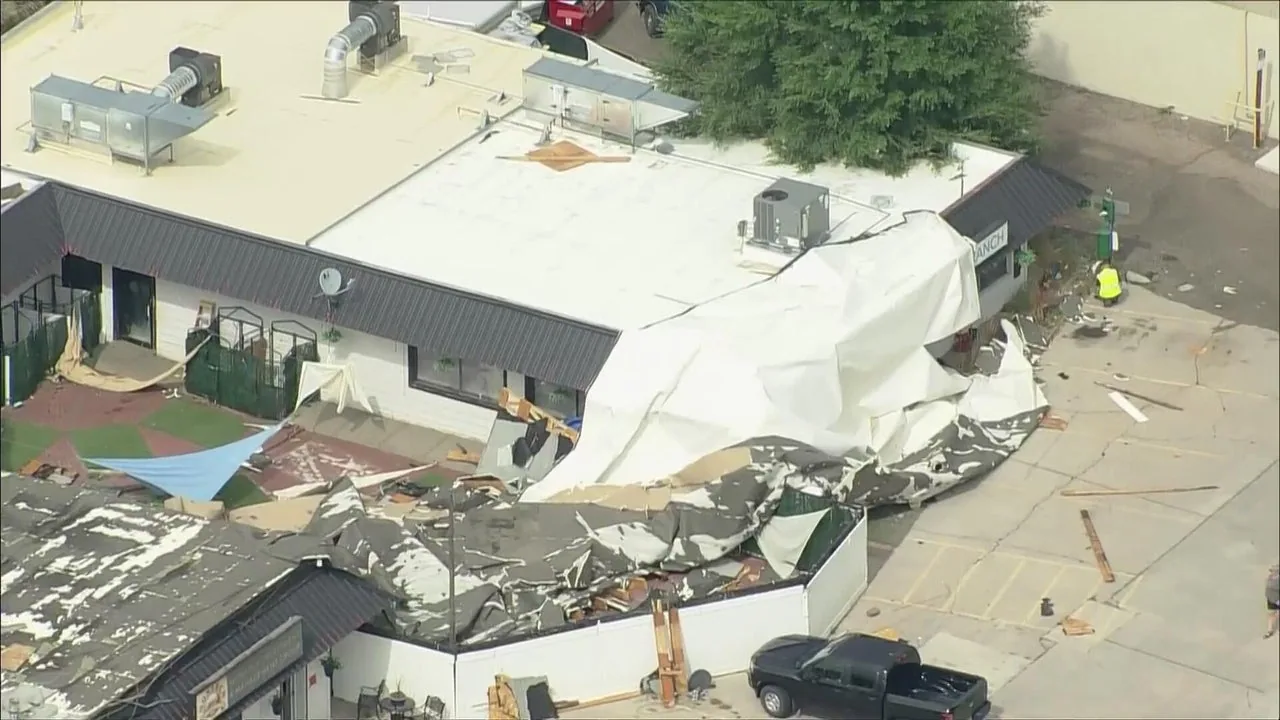
Wind tests a bitumen roof at the edges more than anywhere. Edge metal that has lifted lets the cap sheet peel back, and a peeled corner can run across a section in one gust. After any named storm the perimeter walk comes first, and a quick strip of temporary protection goes on a loosened edge the same day, before the permanent repair is scheduled.
Heat softens a cap sheet in July, when the mean daily maximum in New York City reaches 84.9 F, so we keep foot traffic off fresh work until it has set.
Tight blocks and bridge days
Kettles, rolls and resin drums are heavy, and a narrow street means hoisting from the curb with a flagger and a permit, or staging in a rear lot when one exists. The Verrazzano-Narrows, Outerbridge, Goethals and Bayonne bridges carry every truck on or off the island, so a late delivery on a bridge day can leave a crew on the roof with an open section. We schedule material early and dry in every section before leaving.
Tenants below are told what to expect. Flame work brings a smell of hot asphalt, resin work has its own odor, and both are planned around intakes and opening hours. On occupied floors we often favor the low-odor, torch-free options, and the same planning applies to occupied building reroofing of any kind.
The fix in order
The walk and the log come first, then the drains, then the flashings, then the field. A sound bitumen roof with local damage is patched with matching sheet. A tired roof with dry insulation may take a coating restoration, and one with wet insulation is a replacement. The same sequence applies to a modified bitumen roof from any maker.
Those who also own roofs from GAF will see the same steps in the log.
Last, we walk the roof with the facility director, probe each new lap and photograph every flashing. A Johns Manville stack with bituminous layers gets the same finishing walk, and the log notes which details were sheet and which were resin.
Related Roofing Work
More roofing work that comes up alongside Soprema Roofing Systems.
Commercial Roofing Questions
Can a modified bitumen roof be installed without a torch?
Yes. Self-adhered sheets and cold-applied adhesives bond without flame, and we choose them near combustible walls, tight lots and occupied floors.
How is a new roof tied into an old one at a party wall?
With a counterflashing set into the wall and a base flashing lapped over the new sheet. We probe the old roof beside it, since the weak line is on the old side of the joint.
What does liquid flashing cost against a preformed boot?
Liquid resin usually costs more per pipe but covers odd shapes a boot cannot. A clean round pipe takes a boot, and a cluster or a corner takes resin. We price both on the proposal.
Does bitumen perform through a Staten Island winter?
Well-bonded laps do. Cold stiffens the sheet and opens poor laps, so we check them after the first hard freeze and again in the spring.
What if two neighbors share a roof drain?
Then the drain belongs on both owners' plans. We trace the leader, map who feeds it and write the findings so each owner sees their share.