
Roof Insurance Claim Assistance in Staten Island, NY
Roof insurance claim documentation in Staten Island, NY: dated photos, moisture scans, line-item estimates and adjuster walks for facility directors and owners.
A claim file on a Staten Island roof lives or dies on the first set of photographs, taken before the tarp goes down and dated well enough that an adjuster can place each one on a roof plan. Commercial Roofing Staten Island prepares the roof side of an insurance claim for facility directors and building owners: dated photos, a written damage summary, a line-item repair estimate and a plain account of what is storm damage and what is wear.
The owner files the claim and deals with the carrier. We make sure the roof tells its story clearly and that the adjuster has what is needed to read it.
Why the baseline matters
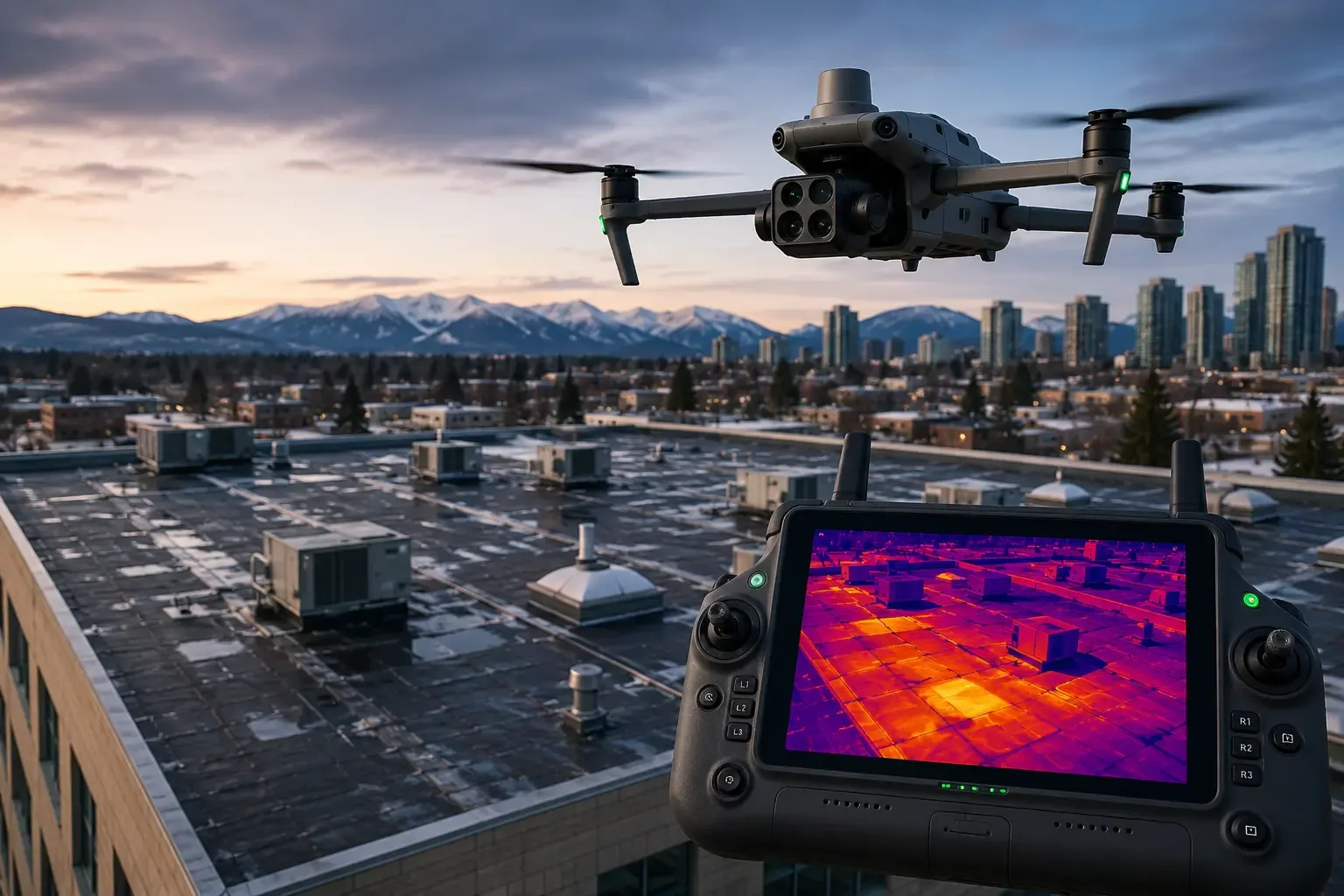
An adjuster's first question is what changed. A roof with an inspection log, dated photographs from the last spring and a note on the condition of its drains and seams gives a direct answer, and an infrared moisture survey taken before a loss gives an even firmer one. A roof with no record leaves the carrier to reconstruct the history from whatever the roof still shows. Owners who keep a log, even a basic one, start a claim from a stronger position.
For roofs without a baseline, we build one from what the roof itself shows: granule loss that predates the storm, a bruise in the cap sheet with fresh edges, fastener lines that were already backed out. The difference between old and new damage is visible on the roof if someone takes the time to photograph it carefully.
What we put in the file
The file handed to the owner holds the same items every time. Dated photographs tied to a roof plan, a written description of each area of damage, moisture scan results where water entry is suspected, core cuts that show wet layers, a list of emergency measures taken and their cost, and a repair estimate broken into lines.
Each line has a location, a scope and a unit of work, so an adjuster can compare it with their own estimate item by item. When a disagreement appears, it can be settled on a specific line instead of a total. The roof condition report format we use for owners carries over directly into a claim package.
Separating storm damage from wear
Carriers pay for sudden damage and not for age, and the line between the two is where most disputes sit. Sandy came through on October 29, 2012 with a 9.56-foot surge at the north tip and gusts to 80 mph. After a storm like that, the question on any lifted edge is whether wind caused it or years of loosened fasteners made it ready to go.
We write what the roof shows. Fresh scars, bent metal in the direction of the wind, displaced ballast and torn membrane at corners point to a storm. Uniform cracking, blistering across a wide area and chalking point to age. We note both, because a report that credits the storm for what it did is more persuasive than one that claims everything.
Meeting the adjuster on the roof
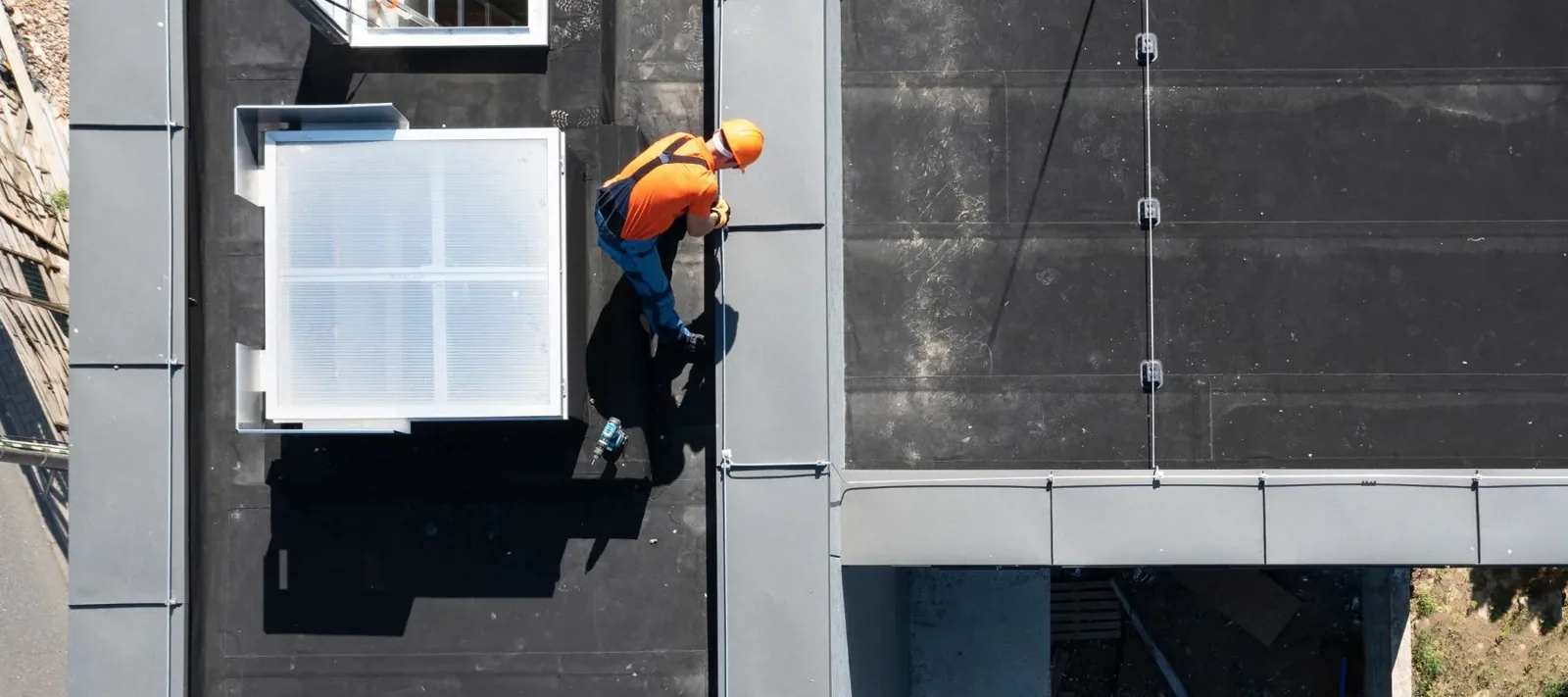
We attend the adjuster's roof visit when the owner asks us to. Access is arranged, safety equipment is in place and the photographs and plan are on hand. We walk the same route we used, point out each area and answer questions about the roof's construction, the repair method and the materials.
Adjusters come from different firms and read roofs differently, and a calm walk with the evidence on a clipboard resolves more than an argument by email. We do not negotiate the settlement for the owner. We keep the roof facts clear and available, and the owner or the owner's representative handles the claim itself.
Pricing the repair so it holds up
A repair estimate that will be reviewed by a carrier needs to be specific. It lists the work by area, names the system, states the method and shows the quantity. Edge metal carries a price per linear foot, membrane a price per square, flashing a price per detail and drain work a price per unit. Emergency work appears as its own section with dated photographs.
When the evidence shows damage past the first estimate, a supplement goes in with fresh photographs and a moisture scan. Storm damage roof repair and the claim package run on the same record, so the repair crew and the estimator see the same roof.
The South Shore and the West Shore
On the South Shore the flood line frames the roof question. The highest water line Sandy left anywhere in the state, 7.9 feet above ground, was measured in Oakwood, and floodwater took out blocks of houses in Midland Beach, New Dorp and Oakwood Beach. For a commercial building in New Dorp or nearby, the roof claim is separate from the flood claim, and the roof evidence has to stand on its own: wind-lifted edges, displaced flashing and debris punctures.
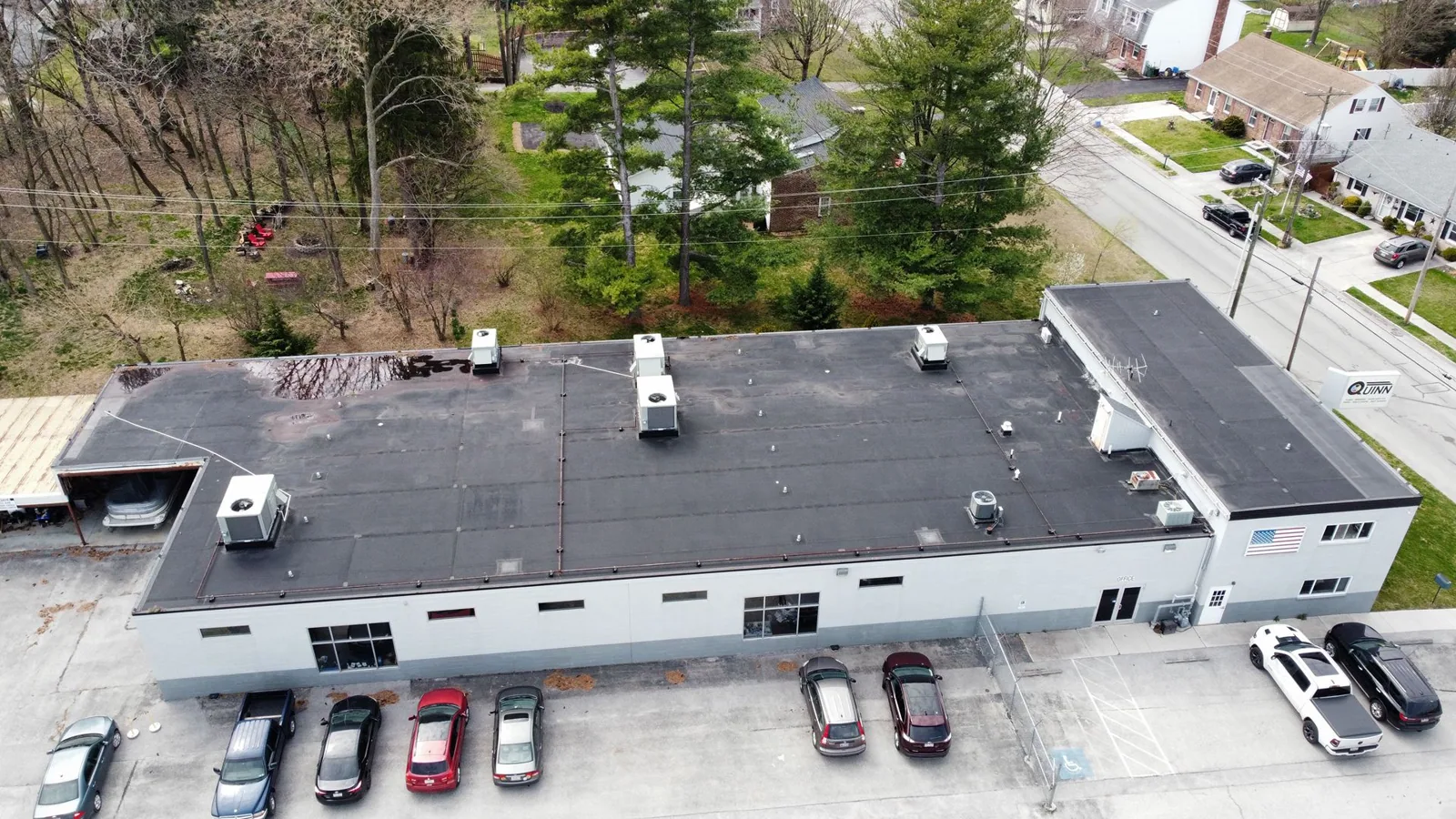
Across the West Shore, the industrial belt, a claim on a large warehouse roof in Bloomfield turns on area: how much of the deck is damaged, how much insulation is wet and how the repair is phased so the business keeps shipping. A restoration firm or adjuster working a large loss needs the roof plan and the scan results early, and we supply both.
Codes, upgrades and timing
The Department of Buildings publishes the 2022 NYC Construction Codes, and a roof repaired or replaced is checked against the requirements that apply. Whether code-driven upgrades are paid is a policy question, and the owner should put it to the carrier in writing before the scope is final.
We list code-driven items separately in the estimate so they can be tracked. Common examples are insulation, drainage and attachment details that differ from what the old roof had. Separate lines keep the settlement conversation clear and the work on schedule.
Claims move slowly and roofs do not. We stabilize the roof first with temporary protection, then build the file while the carrier schedules its visit. Rain, wind and cold continue, so emergency work is documented as it happens, and the permanent repair waits for approval where the carrier asks for it.
Spring is the wettest season in New York City, and New York City snow averages 29.8 inches a year, so an open claim on a damaged roof is a risk by itself. If a claim drags, emergency roof repair keeps the building dry and the file current.
Related Roofing Work
More roofing work that comes up alongside Roof Insurance Claim Assistance.

Commercial Roofing Questions
Do you file the claim for us?
No. The owner files and speaks to the carrier. We prepare the roof evidence and estimate and attend the adjuster's visit on request.
Should we repair before the adjuster sees the roof?
Only what protects the building. Emergency measures such as tarps and temporary patches are fine and documented. Permanent repairs wait for the carrier's visit or its written approval.
What if the adjuster says the damage is wear?
We compare the photographs and the roof plan, point to fresh scars and direction of damage, and give a written account of what the roof shows. Items that are wear are said to be wear.
How long does the estimate take?
After the walk and any moisture scan, the estimate follows within days for a typical roof. Large roofs with extensive scanning take longer.
Can a policy cover a full replacement?
It can, if the damage and the policy support it. The evidence we collect shows whether repair or replacement fits the facts.