
Commercial Roofing in Elizabeth, NJ
Commercial roof inspection, repair and replacement in Elizabeth, NJ, across the Goethals Bridge from Staten Island: port, freight and industrial roofs.
Freight is the business around the roofs of Elizabeth, NJ, and the notes from a walk through an industrial area tend to follow it: walk-pad routes rubbed thin, drains clogged with yard grit and edge metal loosened by wind. The Goethals Bridge that joins the two shores is the road crews from Commercial Roofing Staten Island take to inspect, repair and replace the commercial roofs here.
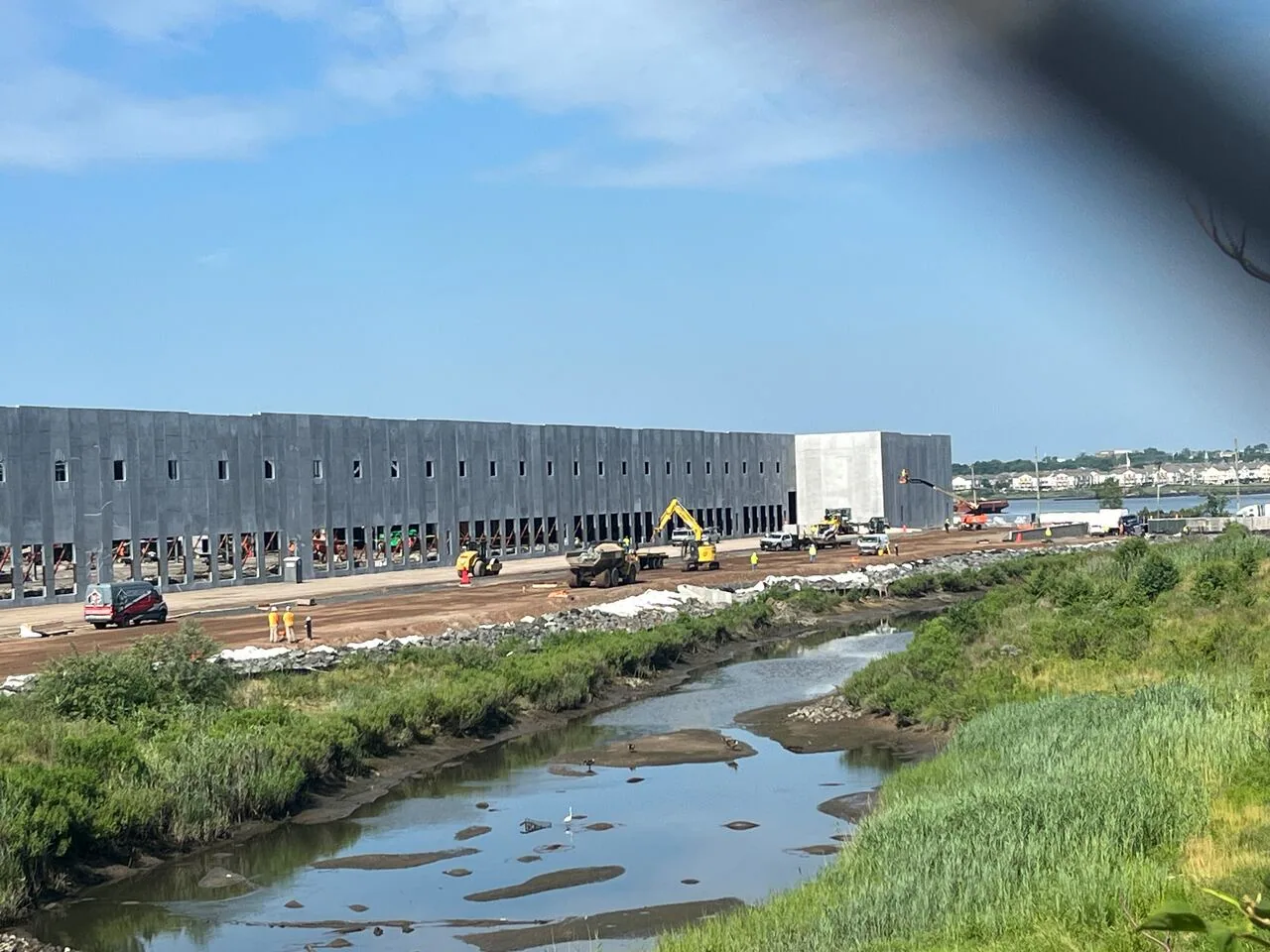
Port Newark-Elizabeth Marine Terminal, among the busiest ports in the world, sits partly in the city, and Newark Liberty International Airport lies partly within it as well. That mix of marine, air and highway freight points to storage and support buildings, and any building that holds stock needs a dry roof to protect it.
Freight, port and airport
Elizabeth connects to Staten Island and the wider region by the Goethals Bridge, the New Jersey Turnpike and Routes 1 and 9, and its industrial area is long established on the eastern side. Airport-related facilities and freight activity add another layer. A first walk with a core cut settles what any individual roof carries, and a freight-serving building is read in a particular order.
Inventory sits below the roof, so a leak is a cost measured in goods and downtime. The ranking in our log reflects that: findings over stock jump the queue, drains and overflow routes come next, and edges follow. A pallet of paper, electronics or packaged food is ruined by a drip that a quick dry-in would have stopped. Our distribution center roofing work puts moisture scanning near the top of the list for that reason.
Fire and sprinkler rules matter in storage buildings. Hot work on a roof over stock needs a fire watch and a hose line, and some owners require a permit and a pre-work walk. Where hot work is unwise, cold-applied adhesives, self-adhered sheets and heat-welded thermoplastics do the job without flame. Those choices go in the proposal with the reason beside them, so the insurer and the manager see the same plan.
What the inspector writes down on a depot roof
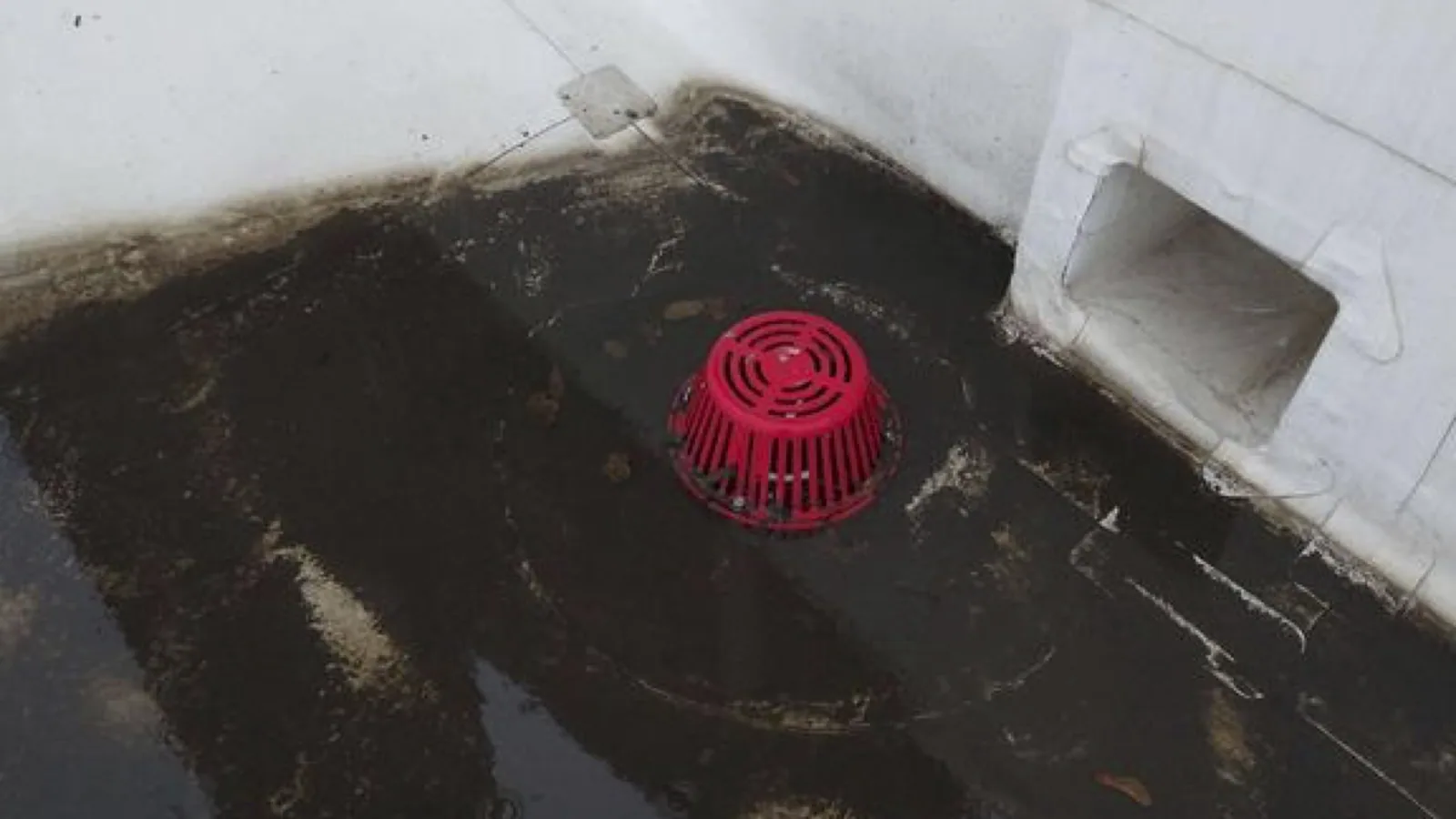
The first entry is almost always the drains. A freight yard throws grit and leaf litter at a roof, and a strainer packed with either holds water on the membrane. After that the seams are probed along their length for open edges, and the walk pads are checked for the groove that forms on routes to rooftop units.
Loading docks bring their own detail. Dock canopies and overhangs shed water at a lower edge where trucks and forklifts reach, and coping or edge metal there gets knocked. We check for dents, gaps and loose fasteners and log each with a photograph. The edge metal and coping repair is quick when caught early and expensive after a season of wind.
Rooftop equipment on a depot is usually modest: exhaust fans, makeup air units and the odd refrigeration condenser. Each sits on a curb, and each curb's flashing is tested with a probe and a close look at the sealant. A condensate line that drips onto the sheet is moved to a drain or a pad, because a steady drip wears a membrane faster than a storm does. Skylights and smoke hatches, where present, get the same attention at their corners.
Wet insulation and the scan
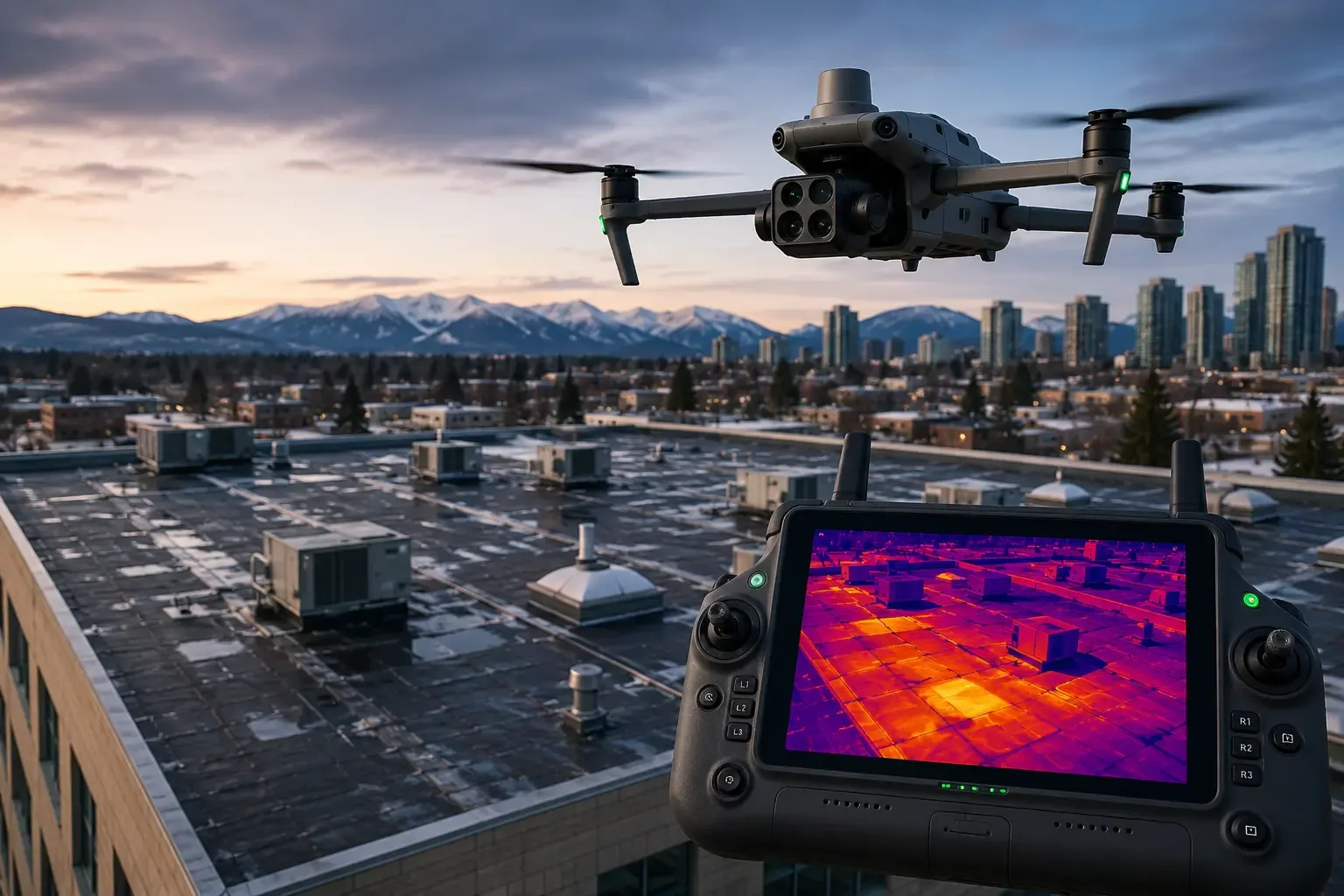
On a large roof, the stain inside rarely sits under the leak. Water enters at a detail, runs along the top of the insulation and drops somewhere else. After sunset a moisture survey maps the spread, since wet board keeps the day's heat and glows warm, and cores at the warm spots confirm it. An infrared moisture survey across a depot roof usually saves money, because it separates the section that needs replacement from the section that needs only a repair.
A roof that scans mostly dry may take a recover with a new membrane over a cover board. A roof that scans wet across most of its area calls for a tear-off to the deck. The proposal prices both so the owner sees the difference.
Weather from across the water
Across the water, New York City sees about 29.8 inches of snow in an average year, had a 27.3-inch day on January 23, 2016, and collects about 49.5 inches of precipitation, spring being the wettest season, while Ida's rain in September 2021 set off a flash flood emergency. For a freight roof, the lesson from those events is practical. Drains and overflow scuppers get cleared and logged before the wet season, the first rows of membrane inside the parapet are probed after the thaw and coping is checked after strong wind. The roof drain and scupper service is the first step.
Repair, restore or replace
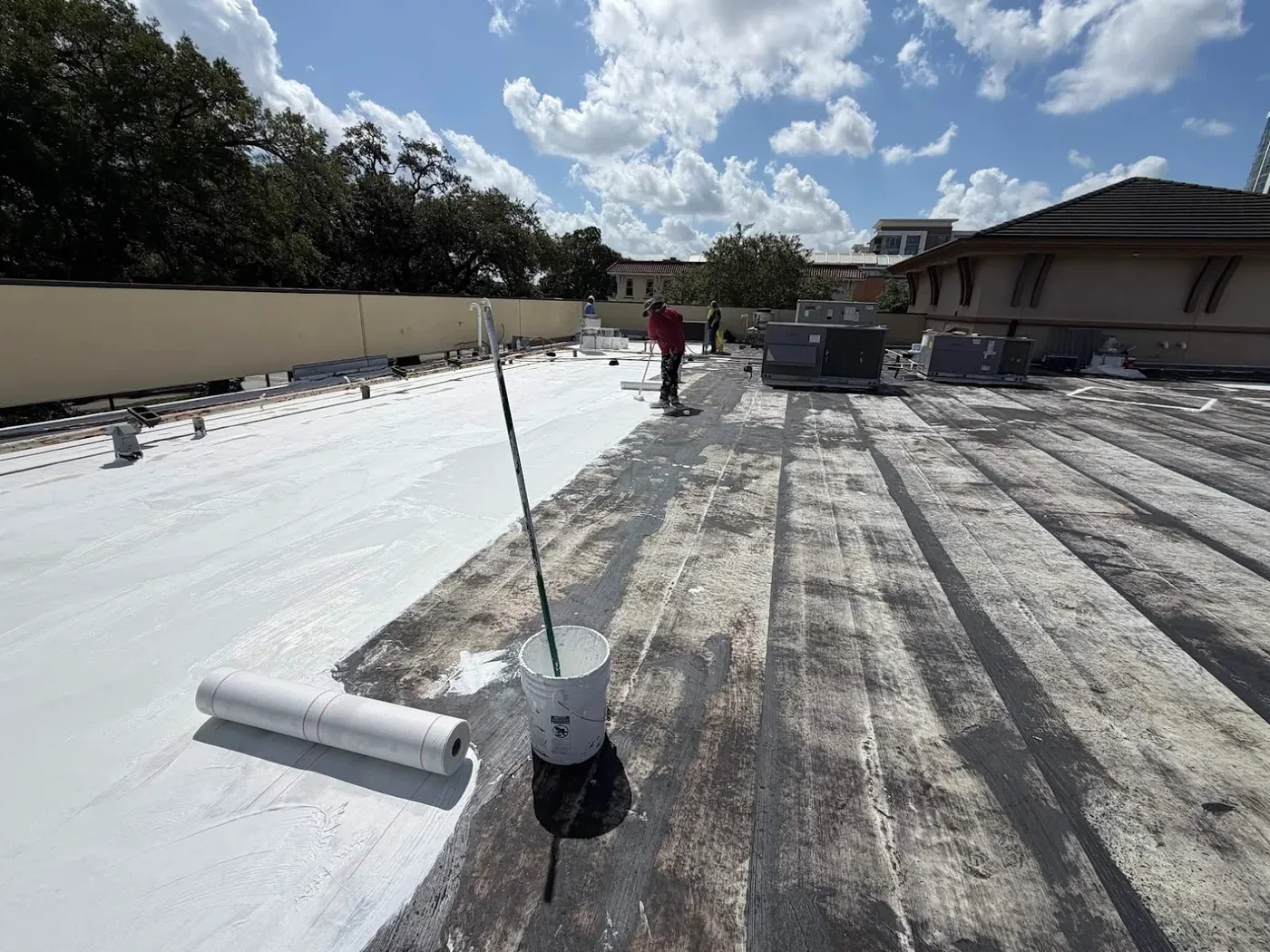
The choices follow the scan and the cores. A single damaged area is repaired with matching material. A dry membrane worn only at the surface may take a coating restoration that puts off a tear-off. A roof with widespread wet insulation needs replacement, and the proposal puts the repair, the recover and the replacement side by side.
On a large roof, cost follows the number of drains and curbs, the length of the perimeter, the state of the deck and the crane time needed far more than the sheet itself. Phasing is common: the section over the most valuable stock goes first.
Roof warranties and insurer requirements both shape the choice. An insurer may ask for a documented condition report before renewing coverage, and the log we write serves that purpose with photographs, locations and a ranked list.
Trucks, bridges and operating hours
Where a depot operates around the clock there are few quiet hours, so we plan roof work by section and by shift. The crew arrives before the morning rush, stages material away from dock lanes and dries in every open area before the afternoon wave of trucks. Crossing the Goethals Bridge adds its own timing, and deliveries are booked early.
An owner with buildings on both shores can keep one log format, so a roof in Elizabeth and one on the West Shore, in Bloomfield for example, read alike. Neighboring New Jersey work in Linden follows the same sequence.
What goes in the log
The log is made of a zoned roof plan, a photograph of each finding, scan results and a ranked repair list. Beside each item sits a line giving the reason for its rank. A facility manager can use it to plan the year, brief an insurer or answer a tenant.
Related Roofing Work
More roofing work that comes up alongside Elizabeth.
Commercial Roofing Questions
How do crews get to an Elizabeth roof?
Over the Goethals Bridge, which connects Elizabeth and the island, with material crossing the same way. Deliveries are booked early so no section waits open for a truck.
How is a roof over stored goods ranked?
By what sits below it. Findings over stock go to the top of the list, then drains, then edges. A scan can prove a roof is dry before and after repairs.
Can roof work run while the depot operates?
Yes, in sections. Docks and lanes stay clear, material is staged away from truck routes and each open area is dried in before trucks arrive.
What damages a freight-yard roof fastest?
Grit in the drains and traffic along unprotected routes. Both are cheap to fix early: clear the strainers and lay walk pads.
Does a roof over stored goods need a second scan after repair?
Yes. A repeat infrared scan after the repair shows warm patches gone, and that map is the proof the stock below is protected.