
Coast Guard Station Roofing in Staten Island, NY
Coast Guard station roofing planning for Staten Island, NY: waterfront wind and spray exposure, escort and access rules and federal roofing criteria.
A corroded fastener head on a boathouse roof, a drain at the foot of a pier building choked with wind-blown grit, a standing seam panel lifted at the eave facing the Narrows: the first lines in an inspector's notebook on a Coast Guard waterfront roof are about wind and water arriving from the same direction. Commercial Roofing Staten Island describes how roofing on Coast Guard stations and sector buildings is planned, using the Coast Guard presence at Fort Wadsworth on Staten Island as the local reference, and the general practice that applies to any federal waterfront site.
The roof system is the familiar low-slope and metal work. The exposure and the access rules set it apart.
The Coast Guard on Staten Island
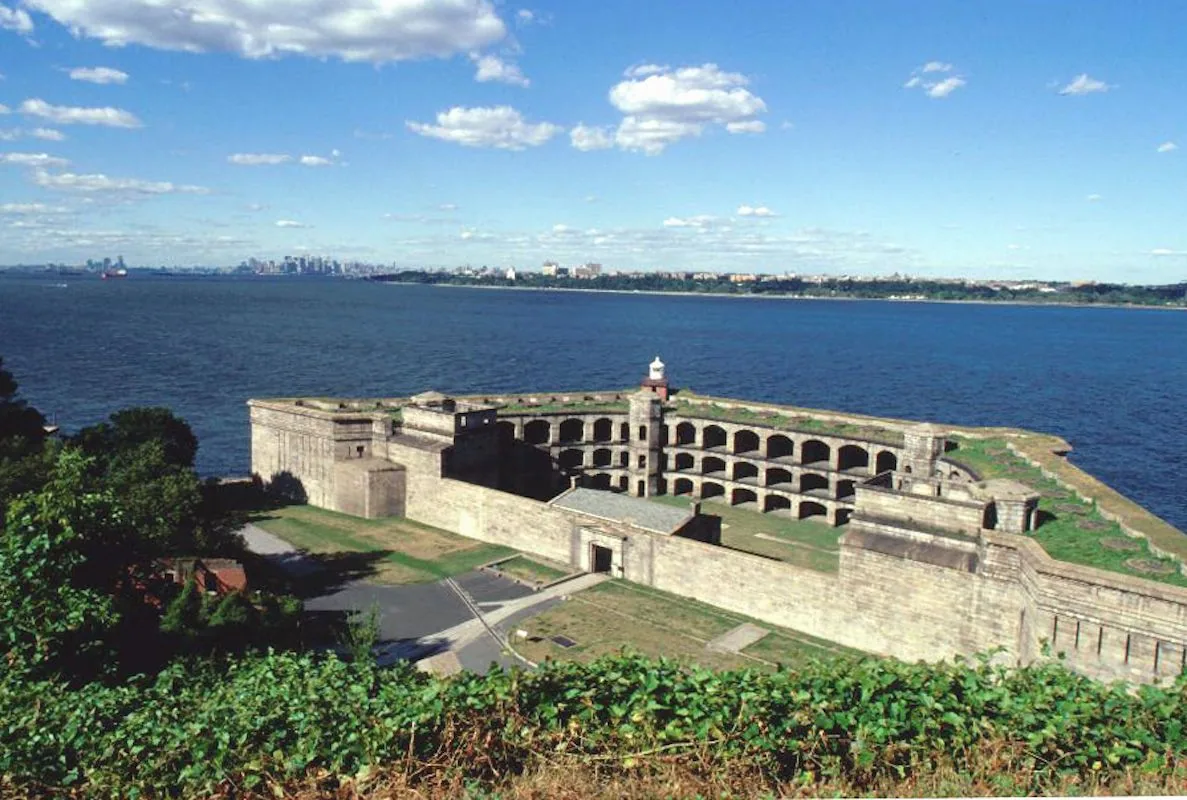
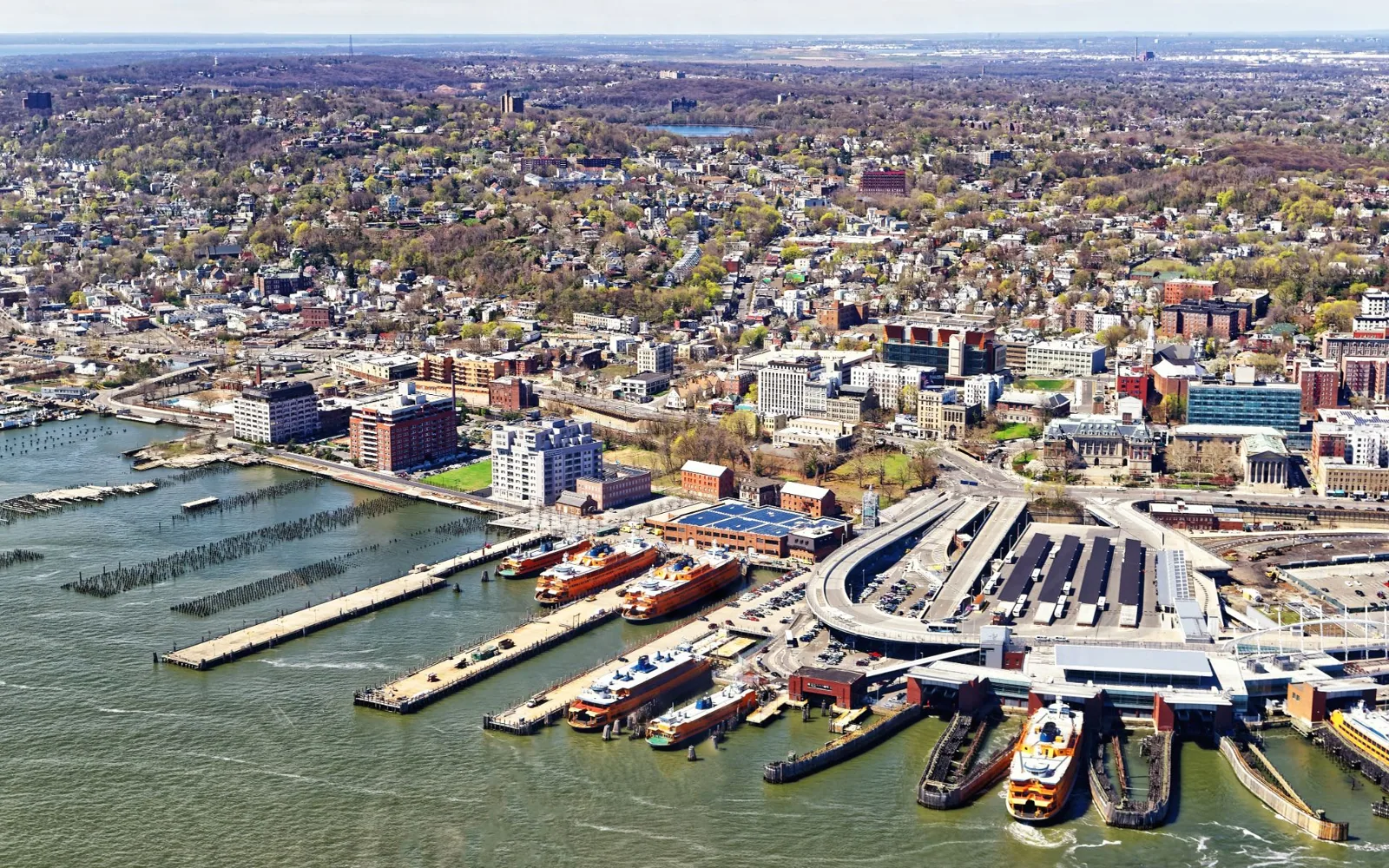
The Coast Guard's presence on Staten Island is at Fort Wadsworth, where Sector New York and a Maritime Safety and Security Team had buildings as of 2007, alongside an Army Reserve civil affairs command. The rest of the grounds belong to the National Park Service within Gateway National Recreation Area. A roof job in that setting can touch several owners and several sets of rules, and the first step is learning who controls which building.
Beyond Fort Wadsworth, the island's shoreline holds other waterfront buildings that share a Coast Guard station's exposure: tug and dredging firms on the Kill Van Kull in Mariners Harbor, marinas on Great Kills Harbor and shoreline commercial buildings along the South Shore. The wind and spray they face are the ones a station roof faces.
Building types on a station
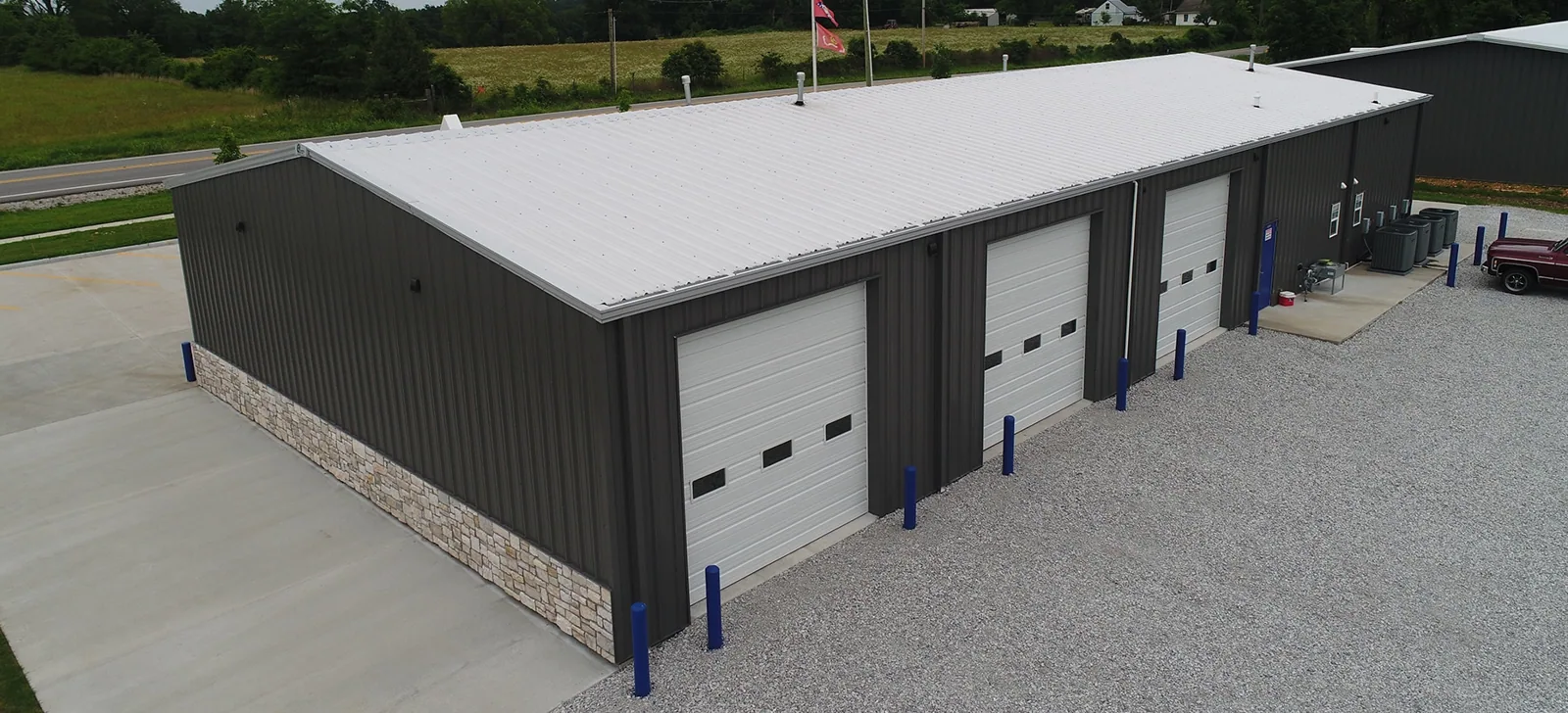
A Coast Guard shore facility typically includes operations buildings, offices, small-boat boathouses, maintenance shops, storage and housing. Roofs vary with the building: low-slope membrane roofs on offices and operations centers, metal roofs on boathouses and shops, and pitched roofs on older or residential buildings. Rooftop antennas, radar mounts and communications equipment add penetrations and loads.
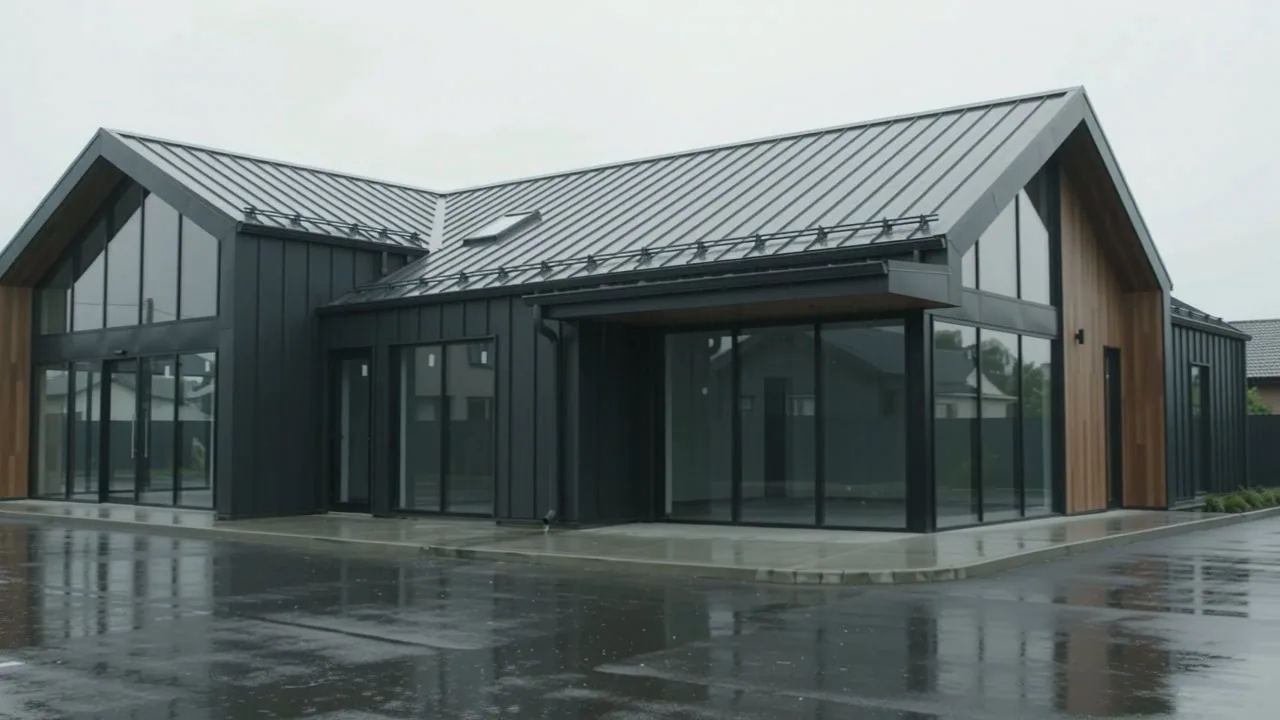
We do not assume what a given building holds. The roof walk records the system, the layers, the penetrations and the condition of the edge. Antenna mounts and cable penetrations are sealed with details that tolerate vibration and wind movement, and any work near communications equipment is coordinated with the unit's technicians. Standing seam metal roofing is common on waterfront shops because it sheds water fast and has few exposed fasteners.
Spray, wind and the shoreline roof
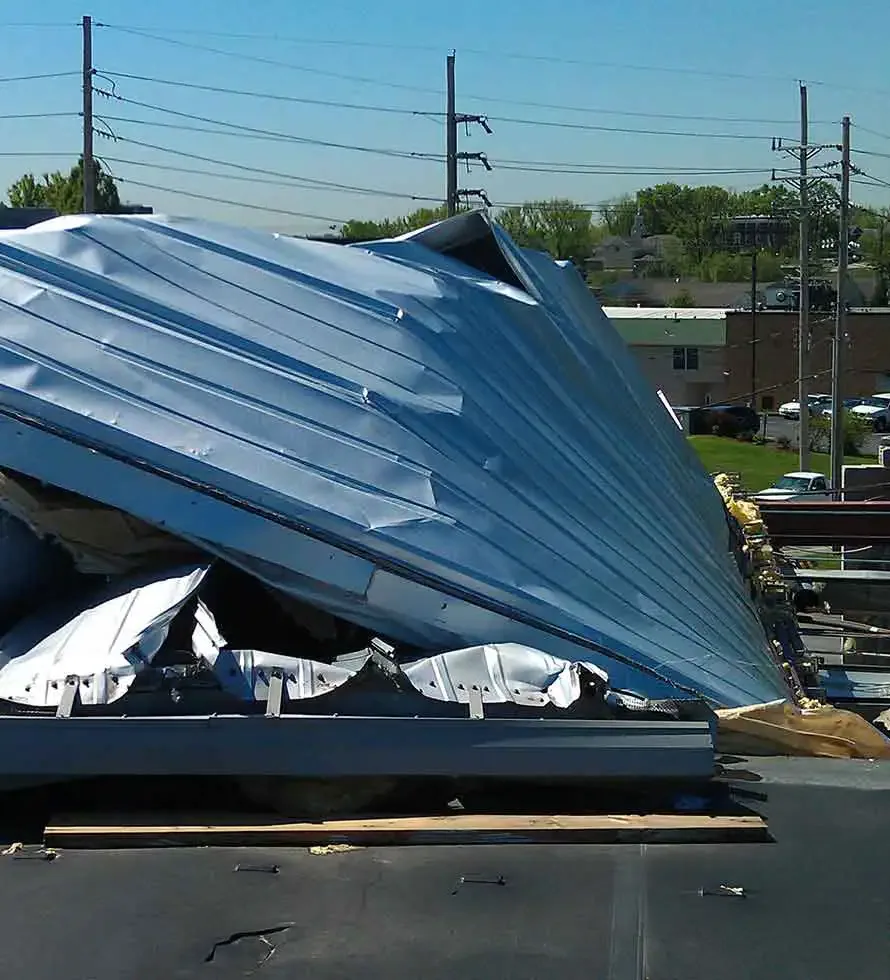
A roof next to open water takes salt-laden spray, steady wind and storm surge. Fasteners corrode, coatings chalk and sealants age quickly. Edge metal sees the most wind, and the first sign of trouble is movement at the eave. We test each run by hand, look for rust streaks below fasteners and check sealant at laps and ridge caps. On a boathouse with a long ridge, a single loose cap can let wind-driven rain into the whole roof, and the repair is small if it is made early. A shoreline roof is the first to feel wind like Sandy's gusts of 80 mph in October 2012.
We specify stainless or coated fasteners, corrosion-resistant flashing metals and sealants rated for marine exposure. Attachment at the perimeter is upgraded, and wind damage repair starts at the edges. Inspections after every major storm are part of the plan, with dated photographs.
Gates, escorts and operational schedules
A Coast Guard site controls entry. Crews need authorization, vehicles are inspected, and escorts accompany work near sensitive areas. Photographs may be restricted, and communications equipment may be off limits for hands or tools. The unit's operational schedule, which includes standby periods and responses, can change a work day on short notice.
We build the plan around that. Work areas are small, material staging is assigned by the unit, and each day ends with the roof dried in. A named point of contact on each side keeps changes moving. Occupied building reroofing methods apply, with extra attention to access and to noise near watch standers and sleeping quarters.
Federal criteria and documentation
Federal roofing is generally specified to the Unified Facilities Criteria, with requirements for wind uplift, fire rating, insulation and drainage, and with submittals for product data, shop drawings and test results. Quality control means photographs and checklists at each stage, and a final walk with the facility manager.
The documentation is the same set a facility manager uses for a work order or a capital request. It supports the unit's planning, the installation's inspections and the contracting office's records. Roof repair and replacement are priced separately, with unit prices, so funding can follow the plan. The Army installation approach uses the same documents.
Rain, snow and the storm window
Flat roofs with few drains meet their test in downpours like the one behind Ida's flash flood emergency of September 2021. New York City snow averages 29.8 inches a year, with a 27.3-inch single-day record from January 23, 2016, and waterfront wind drives snow into laps and flashings. Spring and fall give the best windows for membrane and coating work.
The Coast Guard works in storms, so the buildings that support the work cannot be left open to weather. We keep temporary protection ready, plan sections small enough to close in a day and check the forecast before opening anything. Along the shoreline in St. George and Stapleton, owners of waterfront buildings use the same planning.
What the facility manager gets
The report covers each building: system, age, condition rating, photographs, moisture scan results, a ranked repair list and a recommended action. It separates routine repair from capital replacement, and it flags items that affect operations first, such as leaks above communications rooms, watch floors and boat storage.
A short summary page lists the buildings in order of risk with a price range, so the commanding officer or the facilities staff can see the whole picture at once. Repairs are scheduled around operations, and the log is updated after each visit. The format works for a station, a sector headquarters or a waterfront building owned by any agency, and it matches what a municipal government building owner needs for a capital plan.
Cost on a shoreline federal roof follows access, exposure and documentation. Gate processing and escort time add labor, corrosion-resistant fasteners and metals cost more than standard ones, and submittals take hours that a private job skips. Against that, a well-built shoreline roof lasts longer between repairs, and a dated log lets the unit see the trend before a failure. The report prices each building separately so funding can follow risk, and it shows what a coating, a retrofit and a replacement would cost for the same roof.
Station staff rotate, and a clear roof record keeps the next facility officer from starting at zero. The log names each building and each roof area, shows the last repair and states what the next walk should check first, with salt exposure noted for roofs closest to the water.
Related Roofing Work
More roofing work that comes up alongside Coast Guard Station Roofing.
Commercial Roofing Questions
How is a roof job planned on a Coast Guard site?
With authorization lists, an escort plan, assigned staging and a schedule that allows for operational changes. Work areas stay small and each day ends dry.
What corrodes first on a shoreline roof?
Fasteners and edge metal, followed by sealants and flashing. We specify coated or stainless fasteners and marine-rated sealants.
Can antenna and cable penetrations be re-flashed?
Yes, with details that tolerate vibration and wind, coordinated with the unit's technicians. Access to equipment follows the unit's rules.
Which standards apply?
The Unified Facilities Criteria and the project specification. They set wind, fire, insulation and drainage expectations.
What does the facility manager receive?
A building-by-building report with photographs, ratings and a ranked repair list with unit prices.