
Sika Sarnafil Roofing in Staten Island, NY
Weld testing, repair and replacement of Sika Sarnafil thermoplastic membrane roofs for Staten Island, NY port, rail and industrial buildings.
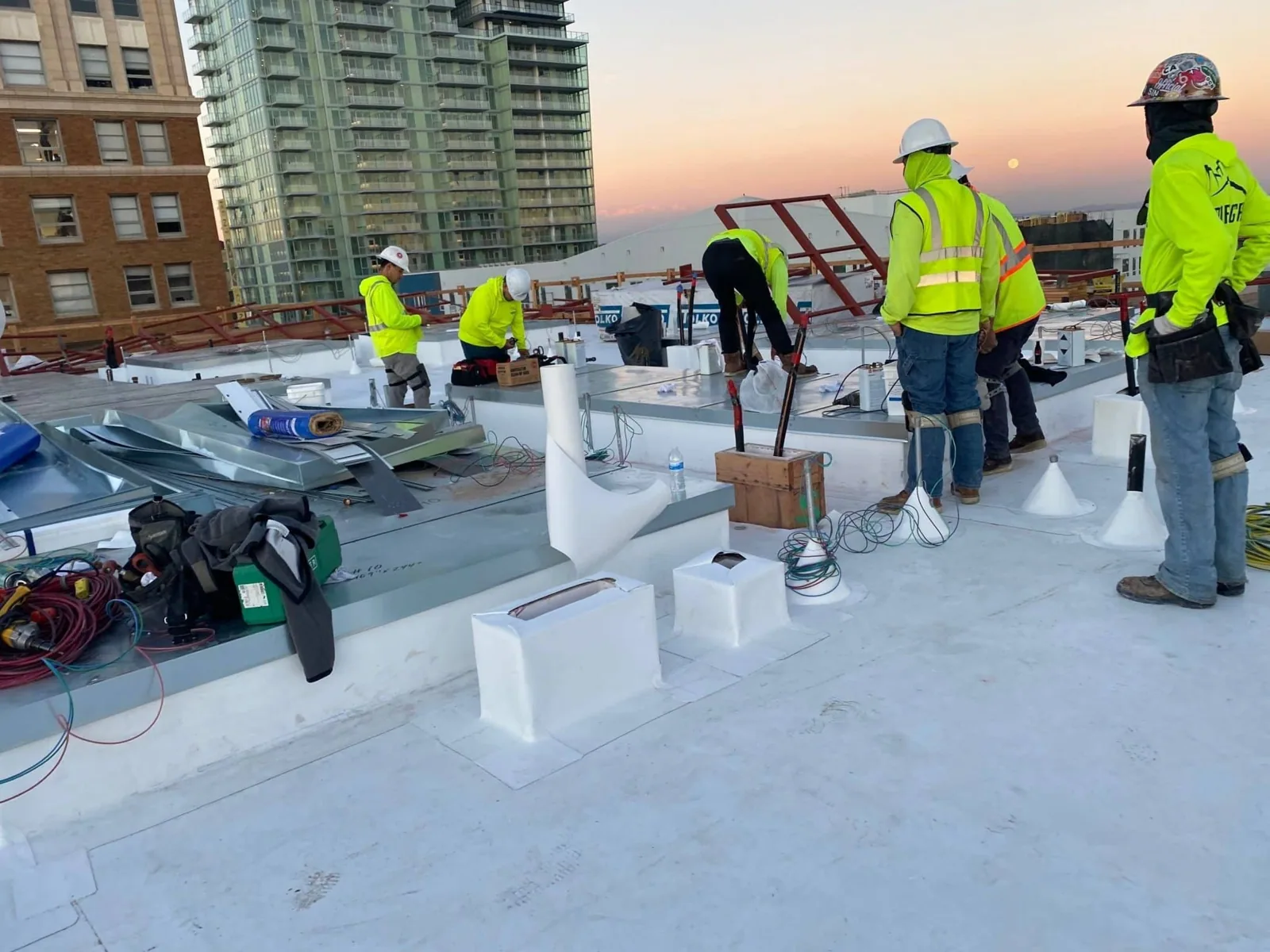
A strip of membrane an inch wide, cut out of a welded lap and pulled apart between two gloved hands, is the plainest test an inspector has on a thermoplastic roof, and on a Sika Sarnafil roof in Staten Island, NY it settles in seconds whether the weld holds the sheets or only touches them. Sika Sarnafil makes thermoplastic roofing membranes joined by hot-air welding, along with the flashings, fasteners and accessories that complete the system.
Commercial Roofing Staten Island inspects, repairs and replaces roofs of this make, and the island buildings that carry big flat roofs often stand close to rail, road or water.
How a weld fails
A good weld melts the two sheets into one along the lap, leaving a thin bead at the edge. A poor one skips: the hot air was too cool, the surface was dirty, or the sheet was damp. Skipped welds do not show on the first day. They hold through a season, then open when heat, cold and traffic work on them, and the failure usually starts at a T-joint where three sheets meet or at a corner where the weld turns.
We probe every seam with a blunt tool, mark open stretches, and cut a test strip only where the probe suggests trouble. Repairs are done by cleaning the surface, welding a cover strip across the open lap and then probing the edge again. The weld is only trusted after the second probe, never on the strength of how the patch looks.
Port, rail and the West Shore
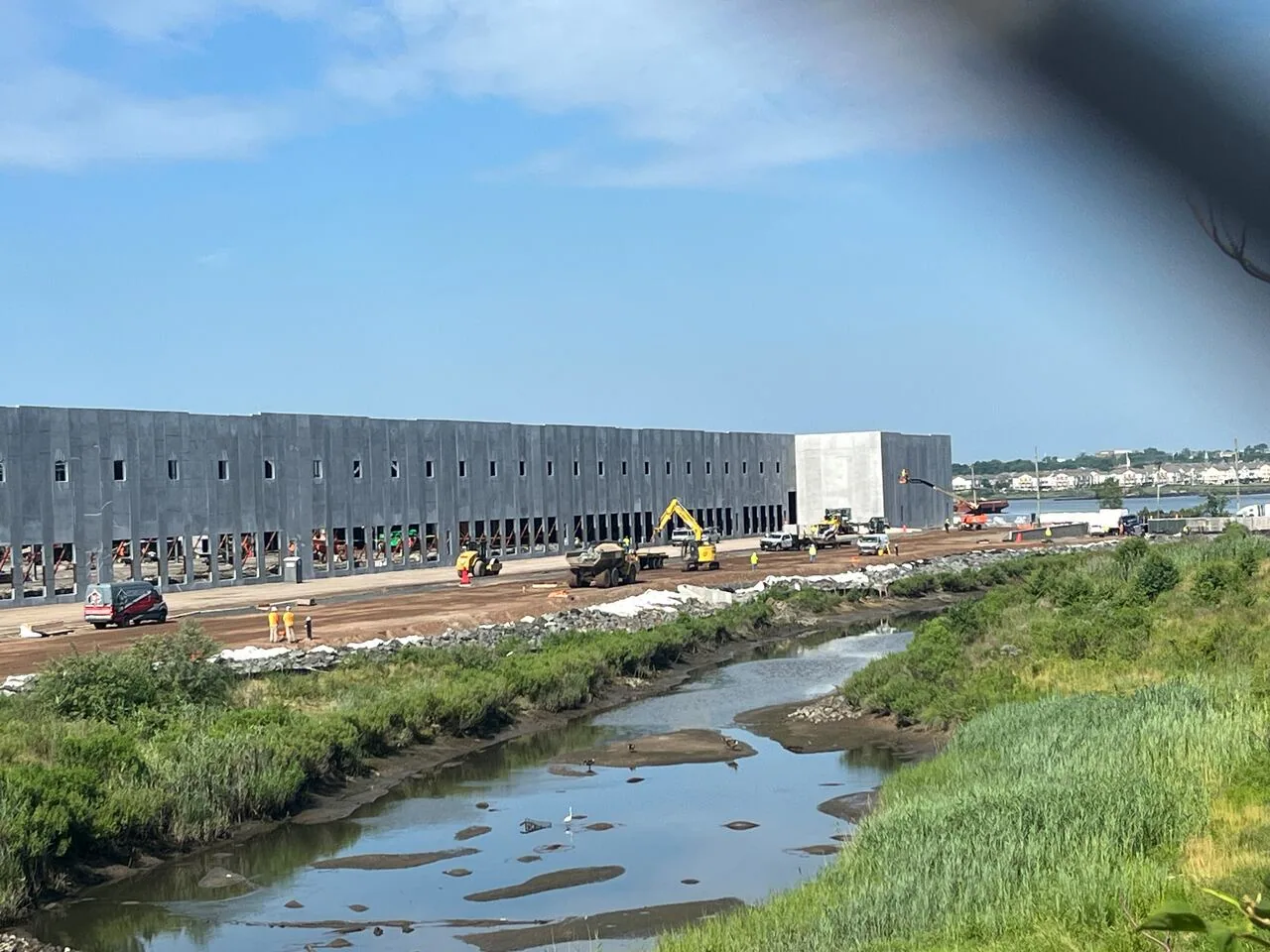
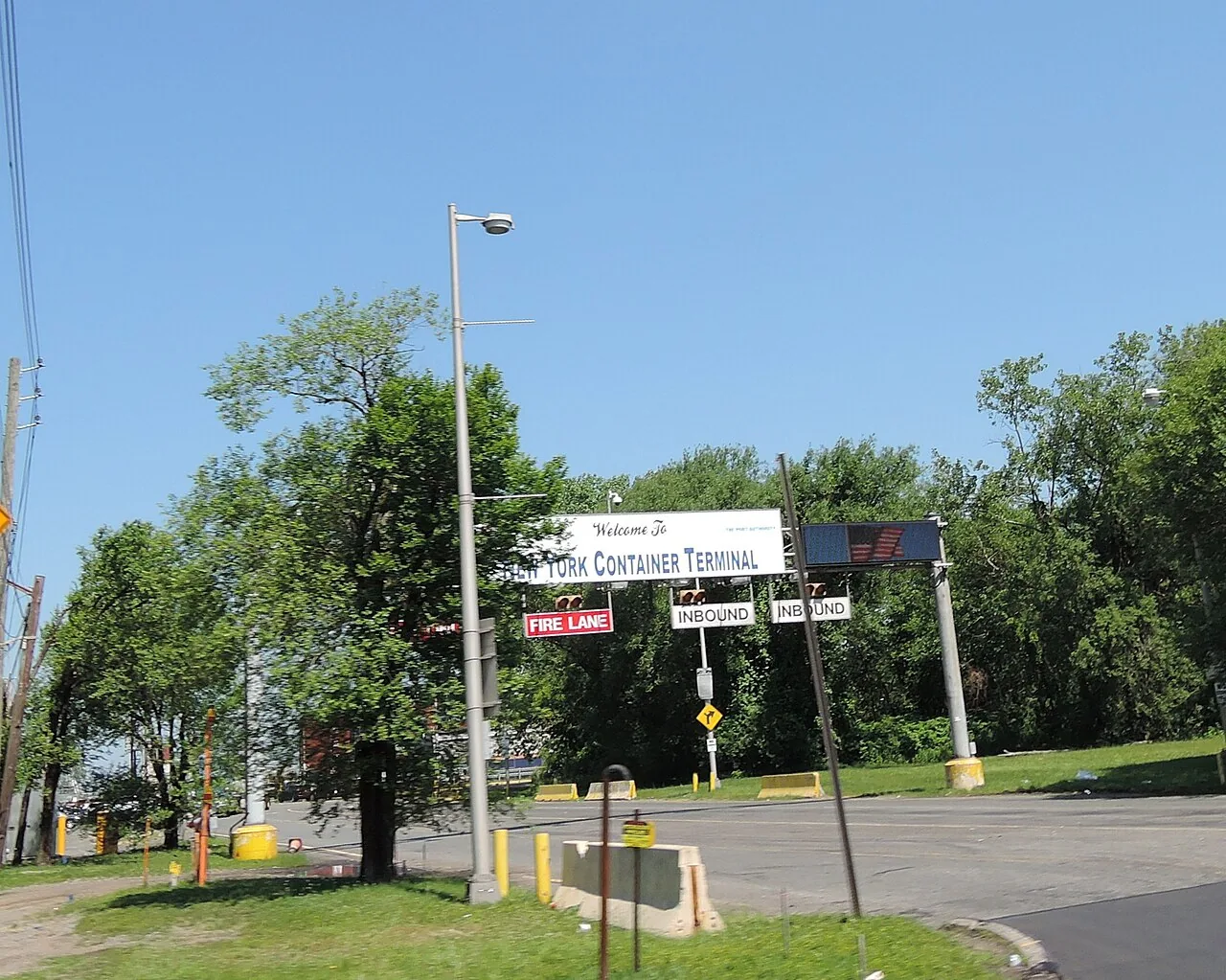
Around the container berths and rail yard of Howland Hook Marine Terminal, the industrial buildings from Port Ivory through Travis to Bloomfield are where a low-slope roof has long uninterrupted runs, and freight trains on the Travis Branch of the Staten Island Railway tie that corridor to the port. A core cut and a probe tell what any roof along it carries. The building type asks of a membrane: a long run to the drains, forklifts or maintenance crews crossing it, and a perimeter that takes the wind off the Arthur Kill. Our distribution center roofing work in Port Ivory and the rest of that belt begins at the drains and the edges.
Exhaust, grease and wear
Thermoplastic sheets resist many chemicals, grease and oil, but they are not immune, and the usual enemy is the exhaust fan that has dripped onto the same patch for years. A softened, glazed or discolored area downwind of a fan is a finding. A plant or kitchen that puts grease on the roof wants a grease pan under the fan and a sacrificial walk pad beneath the service route.
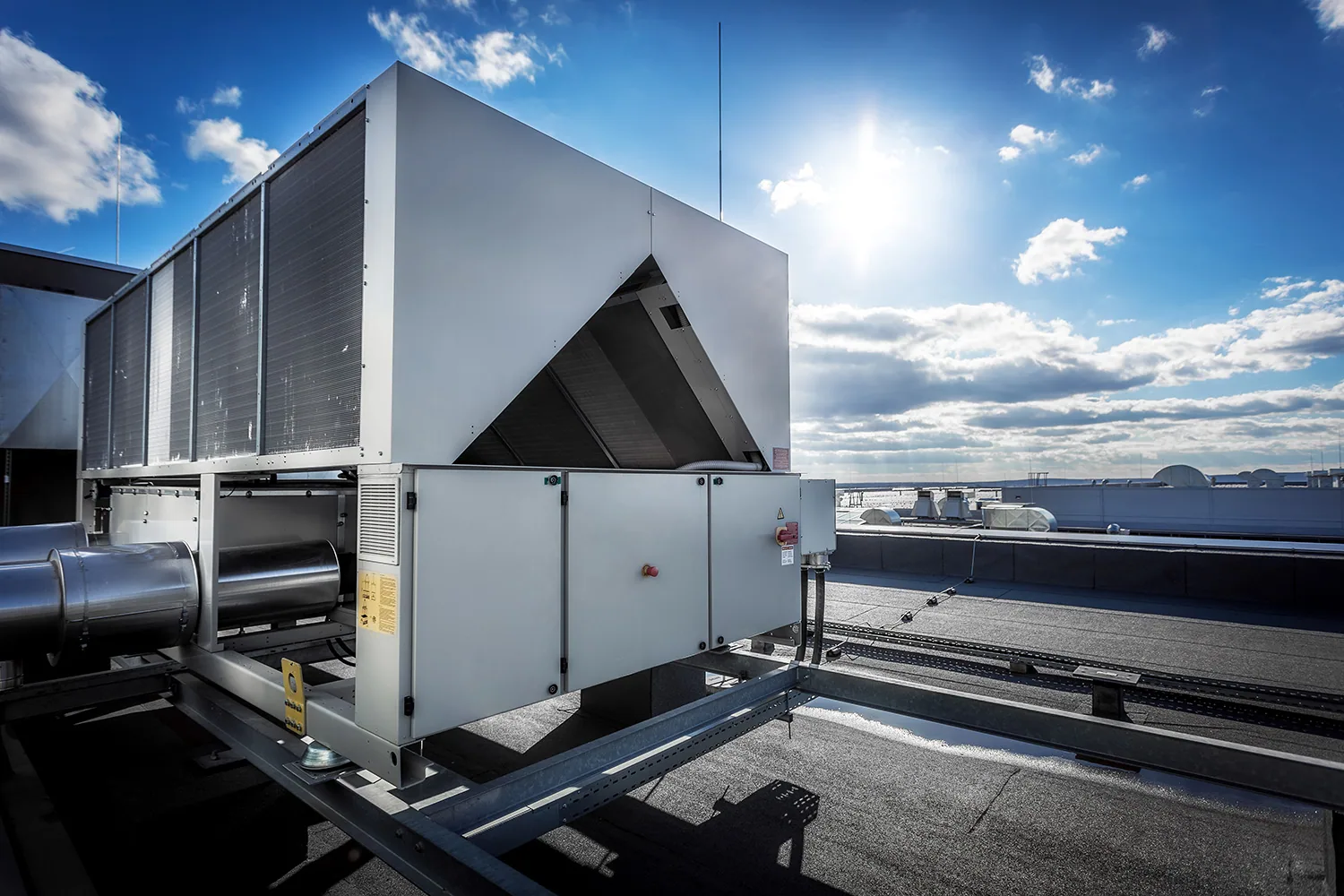
Walk-pad wear is the other quiet cause. A route to the rooftop unit that has no pad wears a groove into the membrane, and a groove is where the next weld fails. Mechanical crews rarely look down, so the pad does the looking for them. The rooftop equipment curbs and supports work we do includes laying pads along those routes.
Where exhaust is heavy, we also look at the flashings around the fan curb, because chemical attack shows first at cut edges and seams. A formed corner that has gone stiff or chalky gets replaced as a unit.
Where the Kill Van Kull comes in
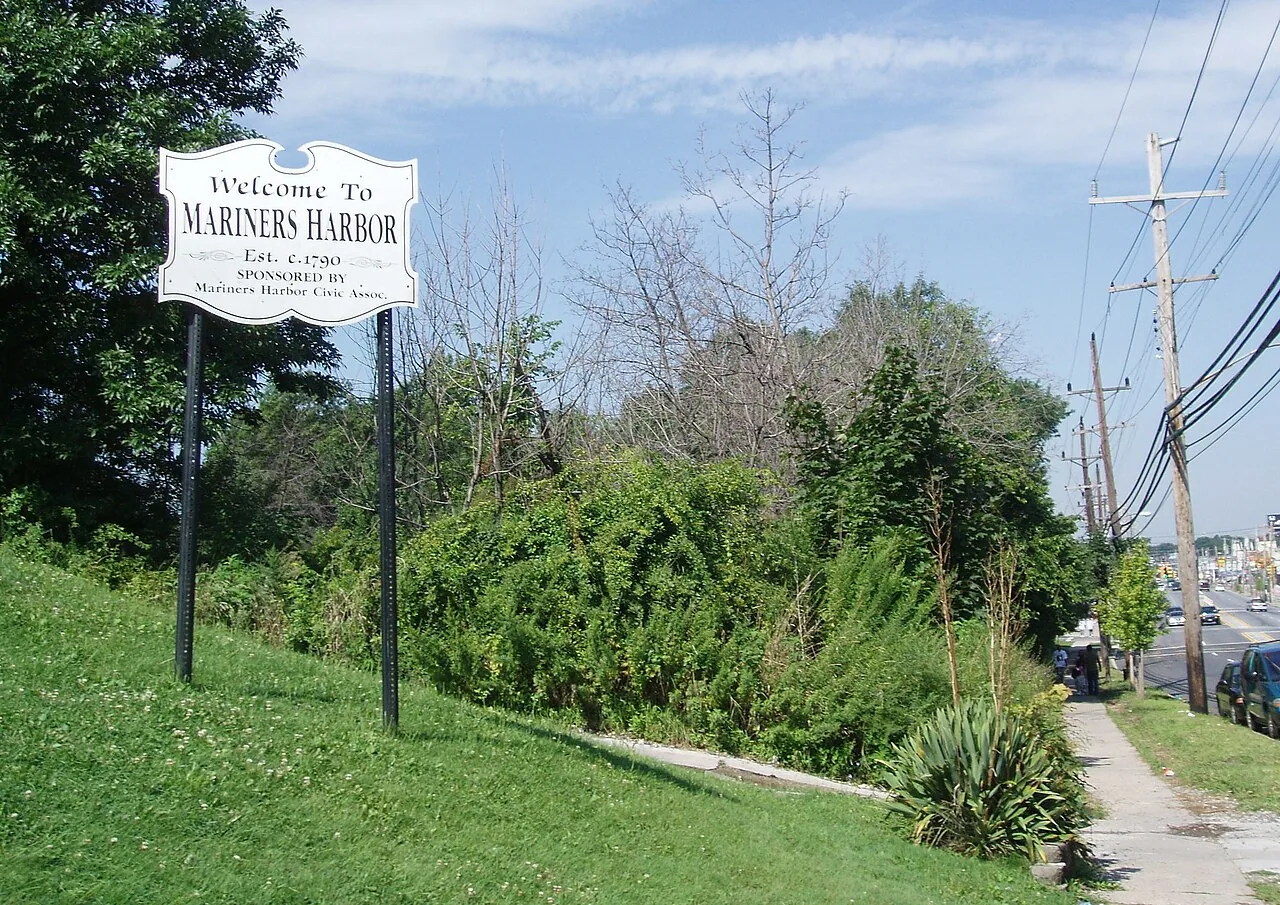
Tugboat, dredging and dry dock businesses use the Kill Van Kull shoreline at Mariners Harbor, land that Bethlehem Steel once largely owned. Farther along the same channel, Port Richmond began as a freight and ferry hub whose waterfront held lumber and coal yards and oil plants, and Richmond Terrace still mixes 19th-century buildings with working waterfront. Roofs on a working waterfront deal with wind off the water, with industrial exhaust and with steady foot traffic from crews. Each one gets its own walk, and the Mariners Harbor waterfront is not assumed to look like Bloomfield.
Drains and ponding
Water that stands on a thermoplastic roof does not hurt the sheet right away. It grows algae, holds dirt and puts a constant load on the seams below. A drain sump with a loose strainer and a sheet that has sagged around it is the textbook case, and the fix starts with the strainer, then the sump flashing and then the slope.
When Ida's rain brought a flash flood emergency in September 2021, a flat roof drained or did not depending on a handful of strainers and scuppers. We keep scuppers and overflows in the spring and fall checks, and after any heavy rain.
Storm and winter checks
In Sandy's 80 mph gusts of October 2012 a welded roof would show wind damage differently from a ballasted one: the sheet itself rarely tears, but the edge metal peels and the first few feet of membrane lift with it. After a big blow we walk the perimeter and test the termination before looking at the field.
Winter is slower. Snow in the city typically totals 29.8 inches a year, and the 27.3 inches that fell in a day in January 2016 show what a drift against a rooftop unit can weigh. Snow melts into drains that may be iced shut, so we check the sumps after the first thaw and log any seam that opened in the cold. The same habits apply to a roof under the Versico name, whose TPO and PVC sheets are also joined by hot-air welds.
The fix in order
We begin with the walk, the probe and the log. Clean, probe and re-weld the open seams, replace failed boots and corner flashings, reset the termination at the parapet, and clear the drains. If the insulation scans wet over a wide area, the conversation moves to a recover or replacement. Winter work needs a dry surface, so cold-weather welds are probed twice. A PVC roof from any maker goes through the same sequence.
Owners who also hold Duro-Last roofs see the sequence repeat, since prefabricated sheets carry welds of their own.
A weld that fails leaves a mark the inspector can read: an open lap, a lifted edge or a strip of sheet that peels clean. Each such mark is photographed, probed with a seam tool and located on the roof plan, so the repair crew welds the same spots the inspector marked.
Related Roofing Work
More roofing work that comes up alongside Sika Sarnafil Roofing.
Commercial Roofing Questions
How can we tell whether a welded seam is still sound without opening it?
A blunt probe run along the edge finds open stretches without damaging the sheet. Where the probe slips in, we cut a small test strip and pull it by hand. A sound weld tears the sheet before it lets go of the lap.
Does a thermoplastic roof need cleaning?
A dirty white roof reflects less and hides small findings, so a wash helps. We also wash before welding any patch, because a weld over dirt is the commonest reason a repair opens.
Can a leaking skylight or hatch curb be fixed without replacing the roof?
Usually. The curb flashing is cut out, the surface cleaned and a new formed flashing welded in. We check the curb corners first, since most leaks there start at a corner.
What changes when a roof is replaced over an occupied floor?
The schedule and the noise plan. Tear-off happens in sections that can be dried in the same day, and tenants below get notice a day ahead of the loudest work.
How does cold weather affect welding and repairs?
Cold, damp or windy conditions make welds unreliable, so we choose dry mornings, keep sheets warm before use and test seams after welding. On the worst days we apply a temporary patch and return.