
Flex and Light-Industrial Roofing in Staten Island, NY
Flex and light-industrial roofing in Staten Island, NY: shared roofs, tenant penetrations and front-office sections repaired and planned around leases.
A roof hatch padlocked with a key nobody can find, and a sign-in sheet beside it with no entries, is the first line an inspector writes on a flex building, because it means no one is tracking who goes up, and the rooftop units, the conduit run strapped across the membrane and the front-office section with a different roof from the bays behind it tell the rest of the story. Commercial Roofing Staten Island repairs and replaces roofs on flex and light-industrial buildings across the island, where one roof often covers offices, showrooms, light assembly and storage under a single ownership and several leases.
The roof is the one asset every tenant shares and no tenant owns, so the plan has to work for the landlord first.
What a flex building really is
Flex buildings combine office or showroom space at the front with industrial or storage bays at the back. Roofs follow the same split: a lower, flatter office section often with rooftop units, and a taller, wider warehouse deck behind it. The two sections may have different ages, systems and drainage, and the joint between them is a common leak point.
Our log lists the front and rear roofs separately, notes the transition and records every penetration by tenant bay. The result shows the landlord which parts of the roof are in good order and which are carrying the problems, and it gives a property manager a way to talk to tenants about specific items instead of general complaints.
Tenant additions and the penetration list
Every tenant changes the roof. A cooling unit for a server closet, an exhaust fan for a workshop, a satellite dish, a conduit for a sign: each adds a penetration, and each is installed by a trade that was thinking about its own job, not the membrane. Over time a flex roof collects dozens of holes, some sealed well and some not.
We map every penetration to a bay and a tenant, photograph it and rate its flashing. Penetration flashing repairs are priced per item, and the landlord can decide which are the tenant's responsibility under the lease. Abandoned curbs and capped pipes from past tenants are removed or sealed. A rule that tenants call before cutting the roof, backed by a short written procedure, prevents most of the damage.
Walk pads, service routes and wear
Service technicians reach rooftop units on the same path again and again, and the membrane wears along it. Walk-pad wear shows as scuffed, thinned or cut membrane, and a worn path is a future leak. We mark the routes on the plan and install pads along them.
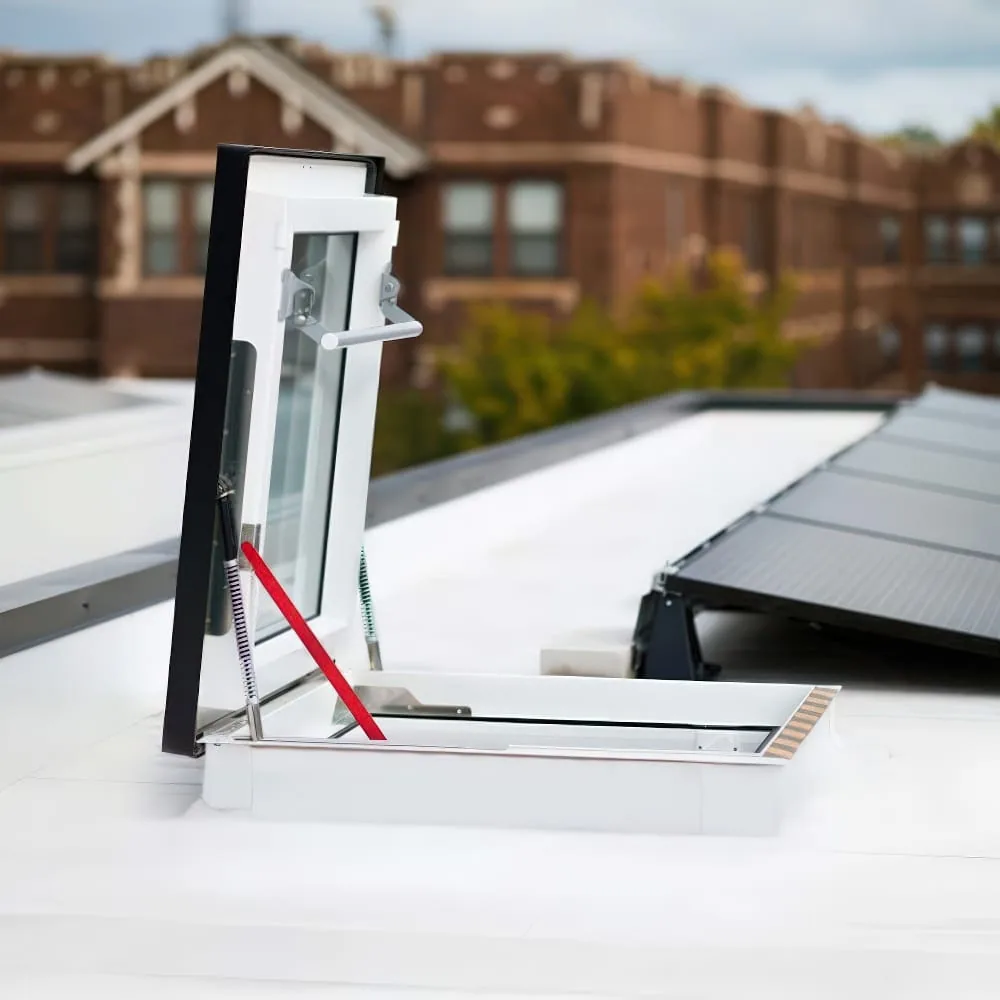
Roof access is a second concern. A ladder to a roof hatch, a fixed ladder or a stair needs to be safe and locked, and fall protection must be in place for crews working near edges. The landlord should control who goes on the roof and when, in the way an office building manager does with a hatch key and a sign-in sheet. A sign-in sheet at the hatch gives the property manager a record of who was up there before a leak appeared.
The West Shore and its tenants
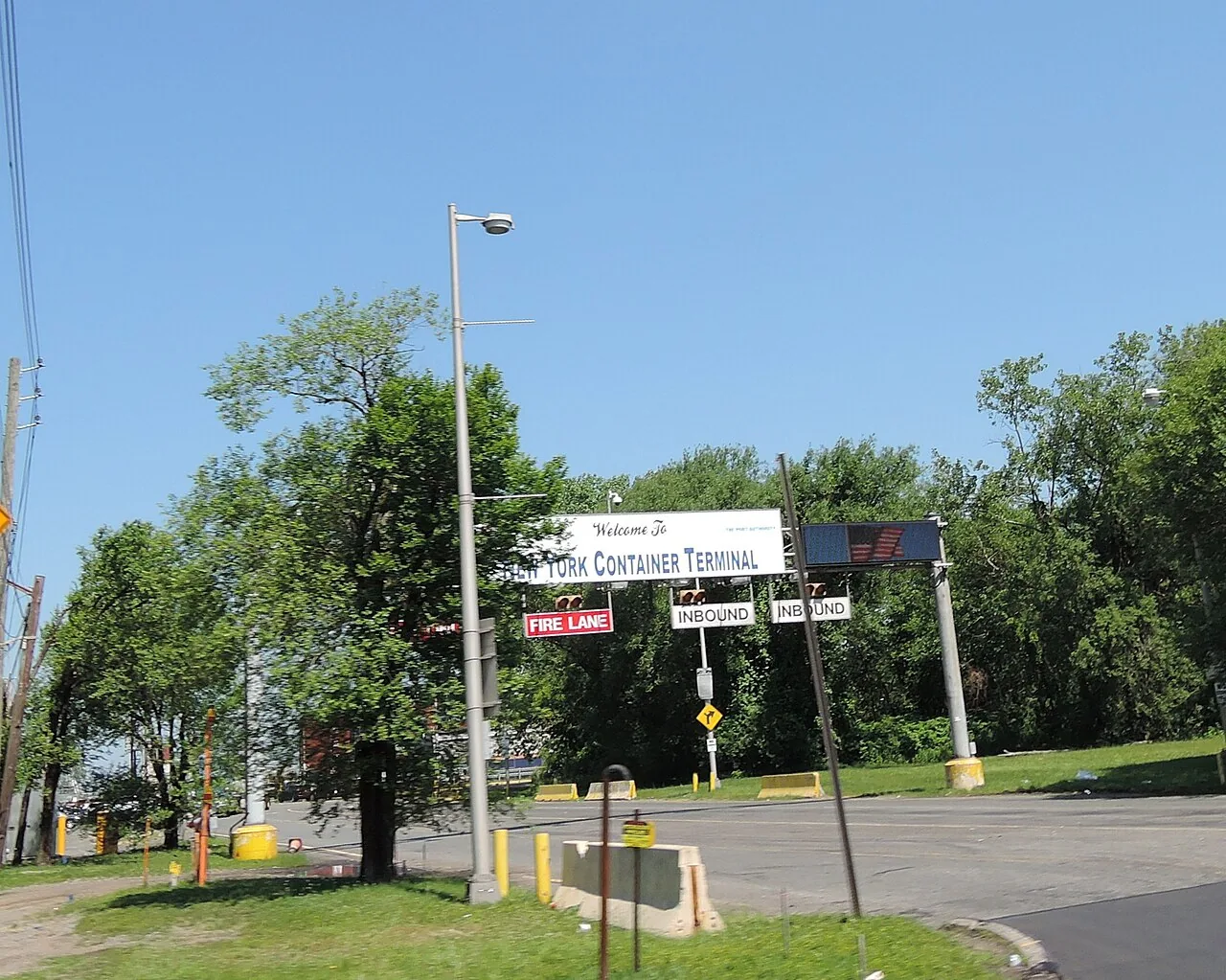
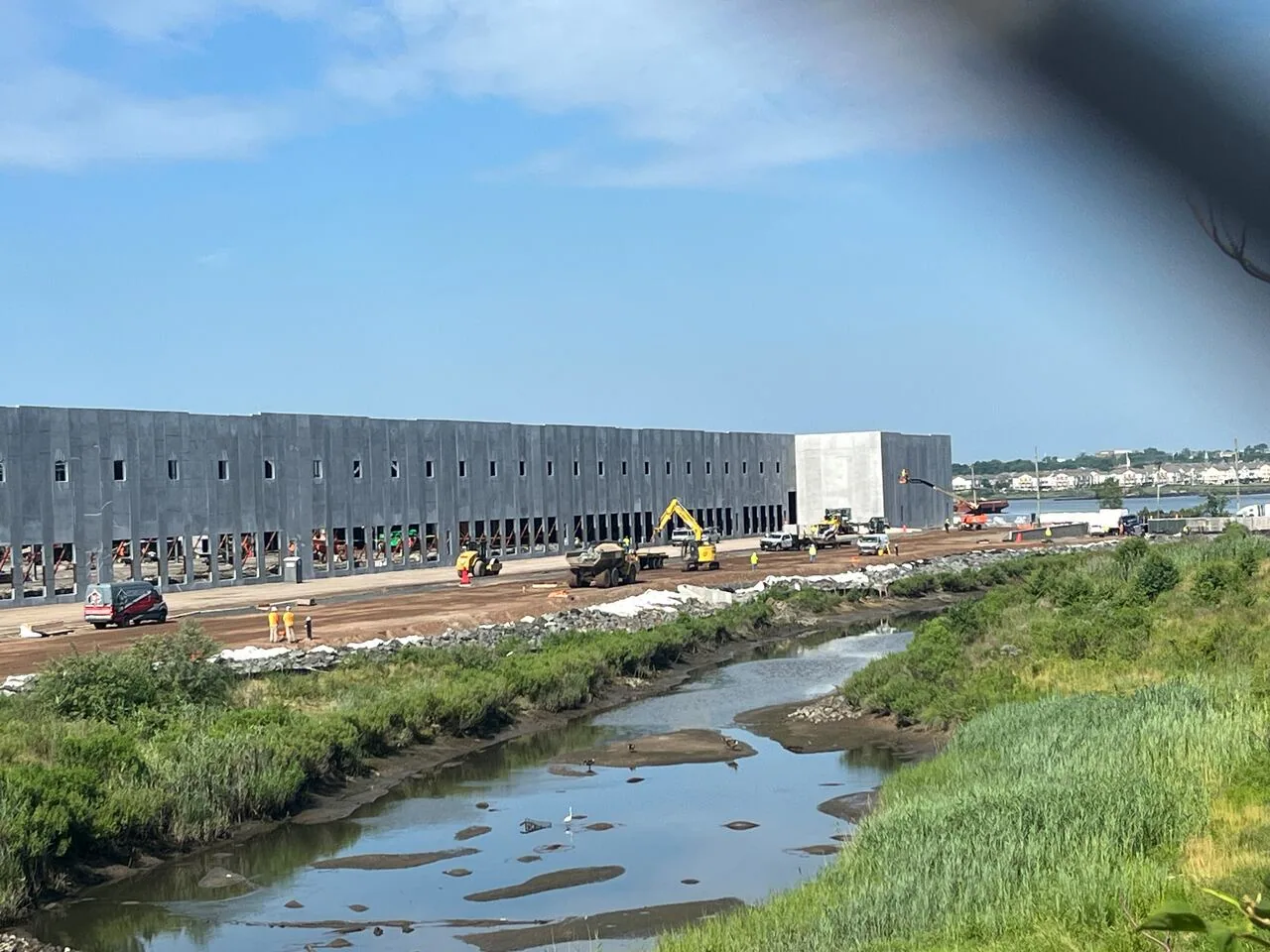
Flex space sits among the warehouses and distribution buildings of the West Shore, where Staten Island's industry is concentrated and the fewest residents live. Bloomfield has the Matrix Global Logistics Park, a distribution center that opened in 2018, Travis has the Teleport industrial park at its eastern edge, home mostly to Internet and telecommunications companies, and Port Ivory sits beside the Howland Hook Marine Terminal. Flex buildings in Bloomfield, Travis and Port Ivory serve tenants from those sectors, and truck traffic, equipment loads and delivery schedules shape the roof plan. A tenant that runs telecommunications equipment cares about leaks differently from one that stores pallets, much as a distribution center tenant cares about wet floors at the docks, and the log notes the most sensitive bays so repairs start above them.
Recover, replace or coat
The choice depends on the cores and the scan. Dry insulation under a sound membrane makes a coating or a fully adhered recover possible, and either one extends the roof. If moisture is widespread, replacement is the answer. Flex roofs are often large enough that phasing makes sense, with the front section done first because it covers the offices.
Common membranes are TPO and EPDM, chosen for cost, reflectivity and ease of repair, and the report compares them against the existing roof. A warehouse roof and a flex roof share the same repair logic, with a lot of attention to penetrations on the flex side.
Costs, lease clauses and who pays
Roof cost on a flex building splits three ways: the cost of the roof itself, the cost of tenant-caused damage and the cost of the interruption. The landlord usually pays for the roof, the tenant for what the tenant did to it, and the lease sets the line. A good roof record lets both sides argue from dated photographs instead of memory.
Triple-net leases pass roof costs to tenants as a share of operating expenses, and tenants then ask what they are paying for. A report with ranked items and prices answers them. We separate routine maintenance from capital replacement in the numbers, since leases often treat them differently, and we flag items that look like tenant damage with the supporting photographs. Replacement, if needed, is phased so cash flow and tenant relationships hold up.
Storm, snow and drainage
Long, wide roofs catch wind of the kind Sandy delivered in October 2012, with gusts to 80 mph, so edge metal and corner attachment are checked before storm season. Flat roofs with few drains face the sort of rain behind Ida's flash flood emergency of September 2021. Winter brings snow, 29.8 inches in a normal year and 27.3 inches on the single day of January 23, 2016. Drains, scuppers and overflow need to be clear before winter. Ponding near rooftop units is a common finding, and tapered insulation or a cricket can fix it. A spring walk checks what winter left behind.
Leases on flex buildings often split roof duties between landlord and tenant, and the record helps both sides. Photographs show who cut a penetration, who sealed it and what the roof looked like before the work began.
Related Roofing Work
More roofing work that comes up alongside Flex and Light-Industrial Roofing.


Commercial Roofing Questions
Who pays for a leak caused by a tenant's rooftop unit?
The lease decides that. The roof records show who installed the unit, when and how it was flashed, which helps the landlord and the tenant settle it.
How do we stop tenants from damaging the roof?
Require a call before any roof work, give them a one-page procedure and keep a sign-in sheet at the hatch. Walk pads along service routes reduce wear, and a short list of approved roofers for penetrations keeps the flashing consistent. When a tenant installs equipment without notice, the photographs from the last walk show what the roof looked like before.
Is a front-office roof treated differently from the rear bays?
Yes. It usually carries the rooftop units and sits over finished space, so it ranks higher in the log.
Can roof work be done without closing tenant bays?
Usually. We work in sections, protect interiors under openings and schedule loud steps around tenant hours. A tenant with a shipping window gets its section scheduled around the trucks, and a tenant with sensitive equipment gets ceiling protection and a standby crew with tarps on the day the roof above it is open.
How do we compare repair and replacement?
The report prices each with cores and photographs. Replacement makes sense when moisture is widespread.